Which Marble Is Best for Interior Spaces? A Complete Guide to Choosing the Right Natural Stone
Natural stone has long been one of the most valued building materials, adding elegance, durability, and long-term value to living spaces. One of the most common questions among homeowners, architects, and project developers is which marble is best for interior spaces. The right marble selection is not only about aesthetics—it also plays a crucial role in durability, maintenance requirements, and suitability for the intended application.
In this guide, we'll explore the best types of interior marble, the key factors to consider when choosing marble, and the most suitable options for different areas of your home or commercial project.
What Should You Consider When Choosing Marble for Interior Spaces?
Not all marble has the same characteristics. Factors such as color, veining, hardness, water absorption, and surface finish directly influence both performance and appearance.
When selecting marble for interior applications, consider the following:
-
Traffic level of the space
-
Color and veining consistency
-
Maintenance requirements
-
Polished or honed finish preference
-
Amount of natural light
-
Overall architectural and interior design concept
When chosen correctly, natural marble can maintain its beauty and elegance for decades.
The Best Marble for Living Rooms
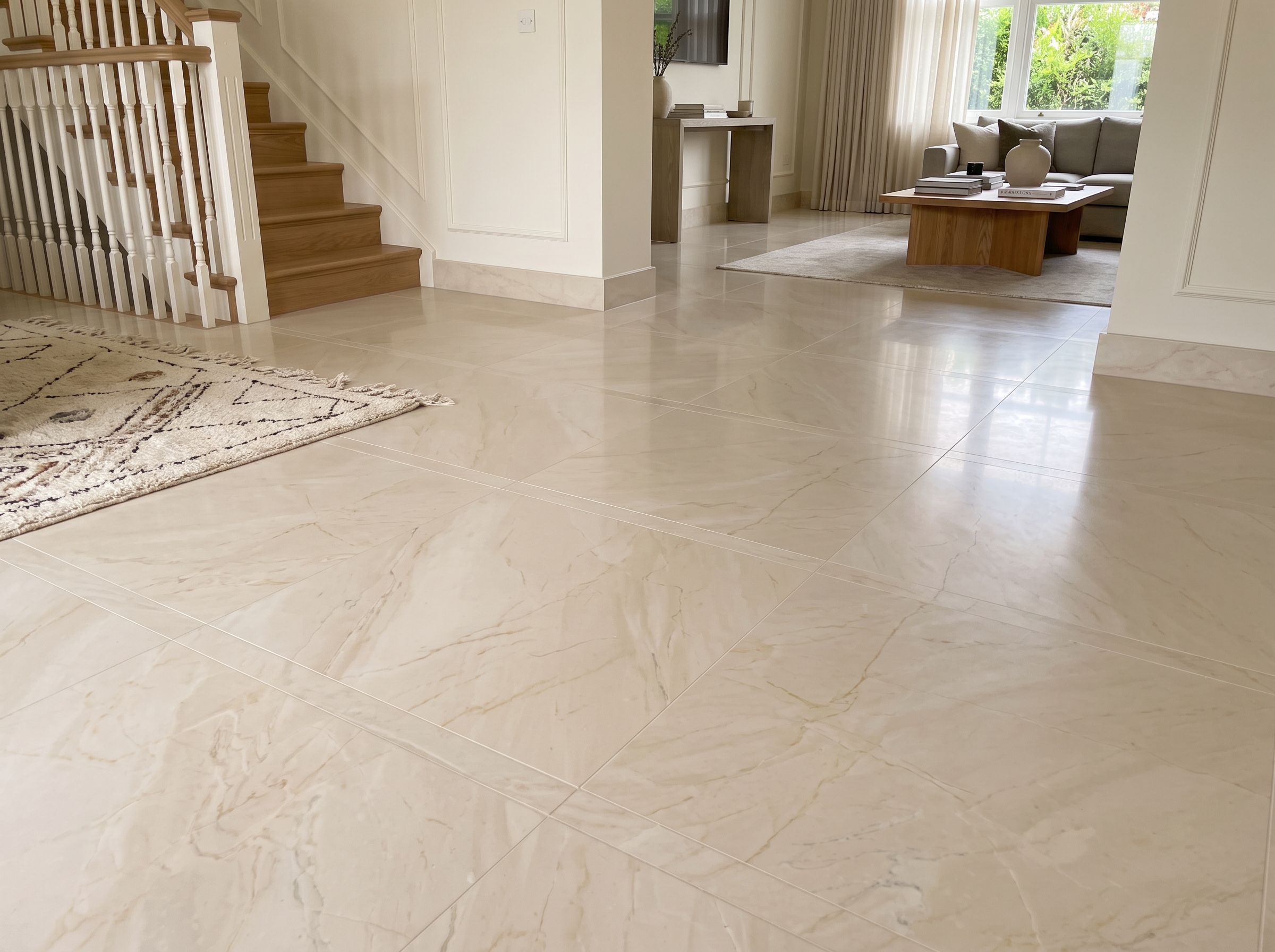
Living rooms are among the best spaces to showcase the natural beauty of marble. Large marble surfaces create a spacious atmosphere while adding sophistication and prestige.
In recent years, grey marble has become one of the most popular choices for modern interiors. Its balanced veining complements both minimalist and luxurious designs.
Light-colored marble creates bright, airy interiors, while darker shades offer a bold and sophisticated appearance.
Can Marble Be Used in Kitchens?
Absolutely. Marble is widely used for:
-
Kitchen countertops
-
Kitchen islands
-
Backsplashes
-
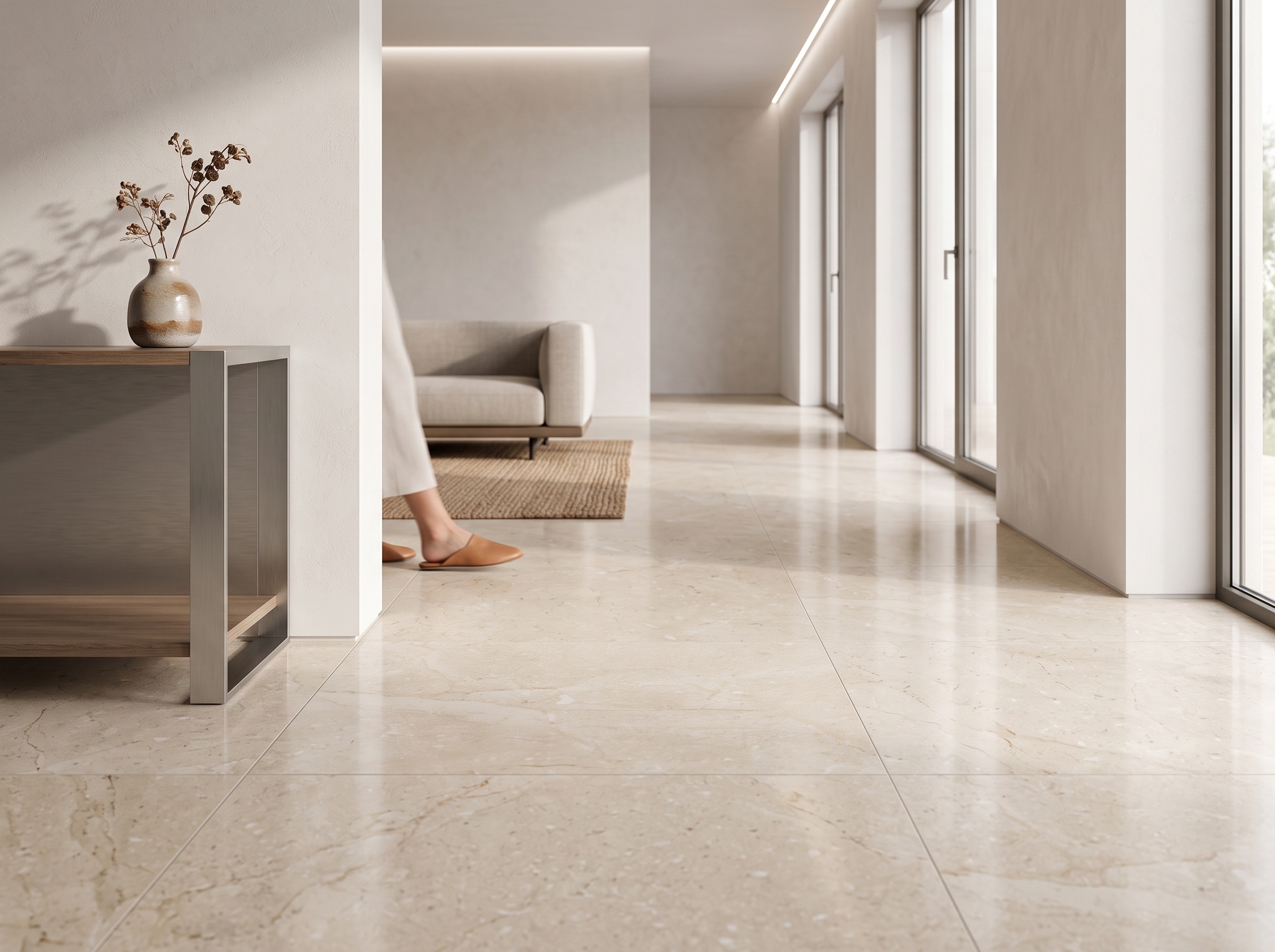
Flooring
However, choosing high-quality marble and ensuring proper fabrication are essential. With regular maintenance and appropriate protective treatments, marble can preserve its elegant appearance for many years.
When selecting marble for kitchens, consider:
-
Low water absorption
-
Homogeneous stone structure
-
Durable surface
-
Easy-to-clean finish
These characteristics help ensure long-lasting performance in everyday use.
Which Marble Is Best for Bathrooms?
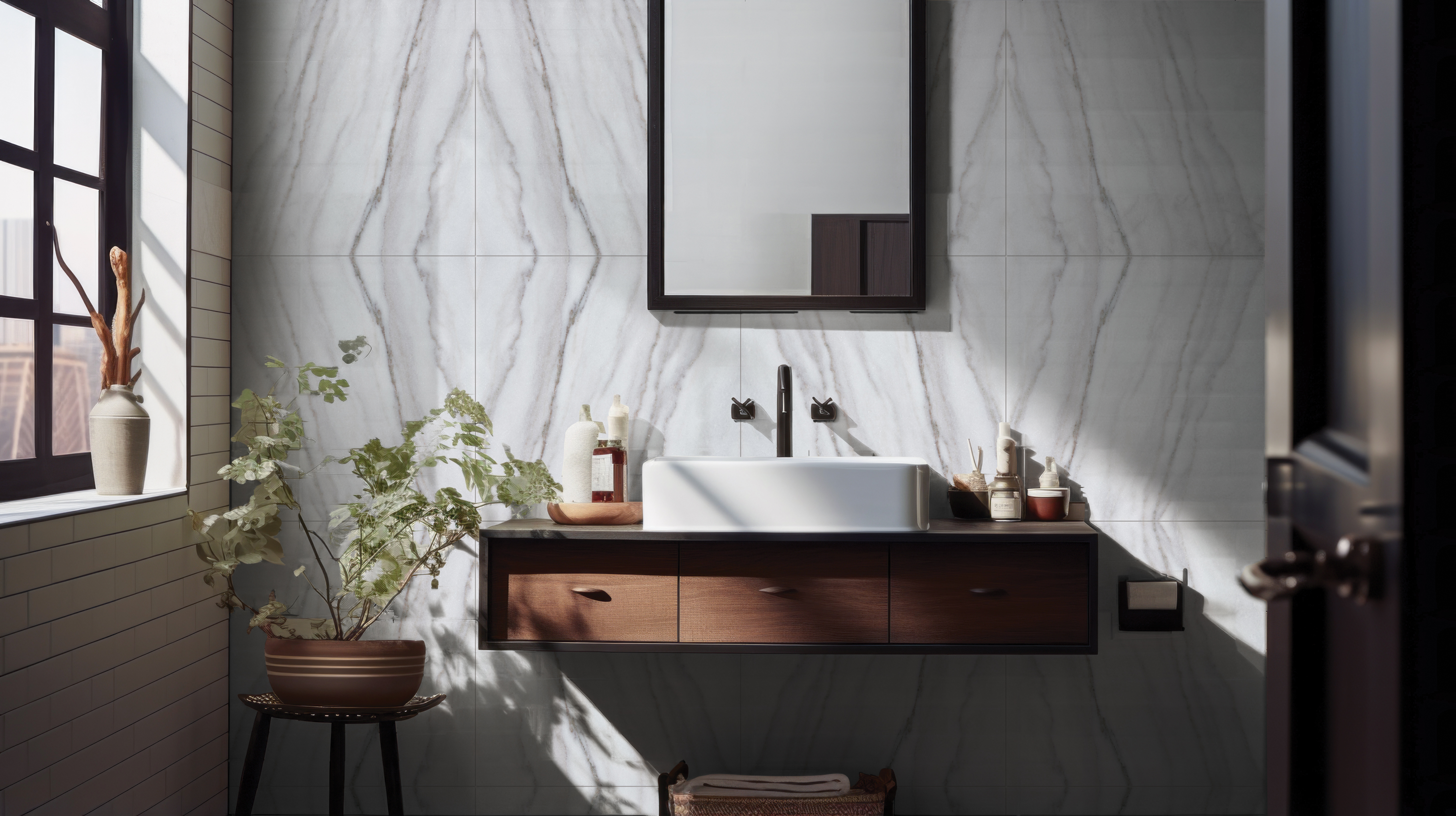
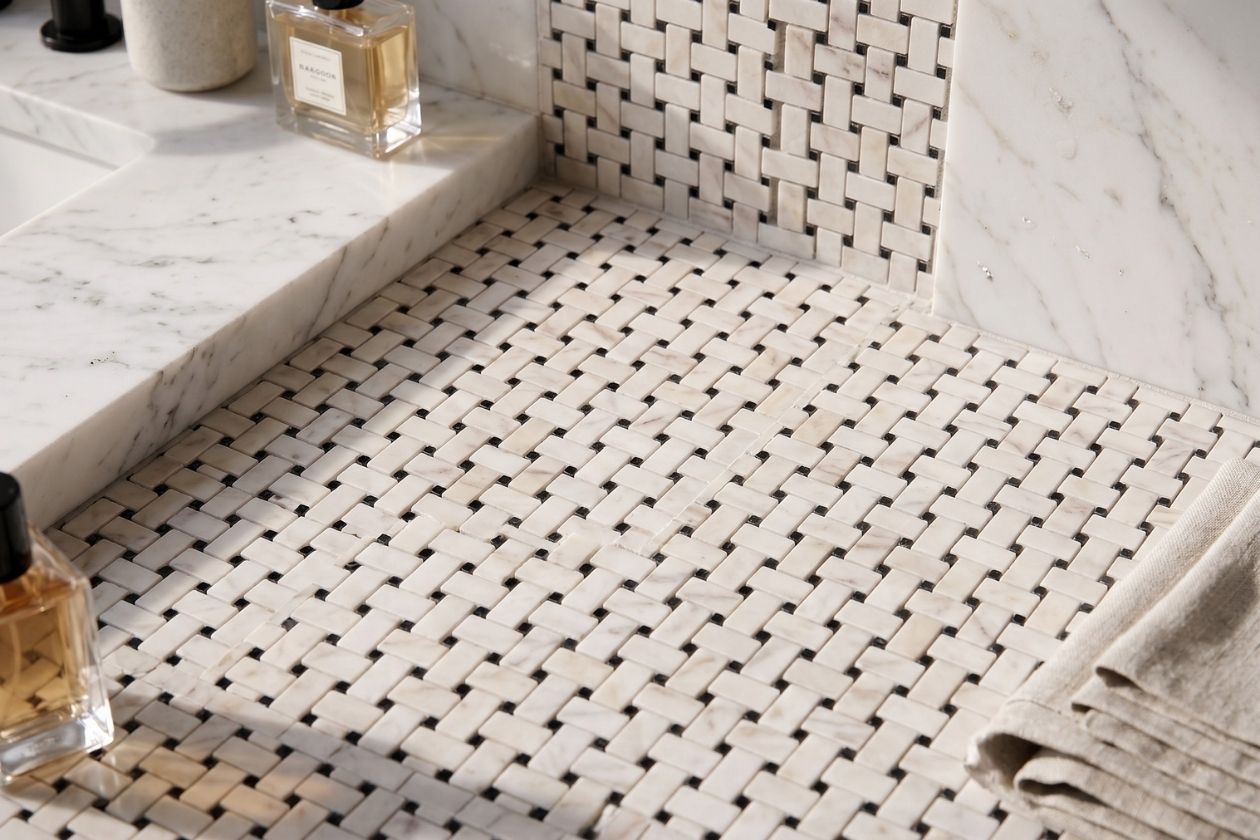
Natural stone is one of the best materials for creating luxurious, spa-inspired bathrooms.
Marble is commonly used for:
-
Wall cladding
-
Flooring
-
Vanity tops
-
Shower areas
Light grey, white, and softly veined marble are among the most popular choices for bathroom interiors. A honed finish can also improve slip resistance while maintaining the natural elegance of the stone.
How Should You Choose the Right Marble Color?
Color selection plays a significant role in interior design.
Light-Colored Marble
Light marble offers several advantages:
-
Makes rooms appear larger
-
Reflects natural light effectively
-
Creates bright, contemporary interiors
Grey Marble
Today, grey marble is one of the most sought-after natural stones in modern architecture.
Grey tones:
-
Pair beautifully with wood finishes
-
Create elegant contrast with black accents
-
Complement minimalist interiors
-
Are widely specified in commercial projects
Dark Marble
Dark marble creates an impressive and luxurious atmosphere. It is particularly popular in hotels, office buildings, luxury residences, and prestigious commercial developments.
Benefits of Large Marble Slabs in Interior Design
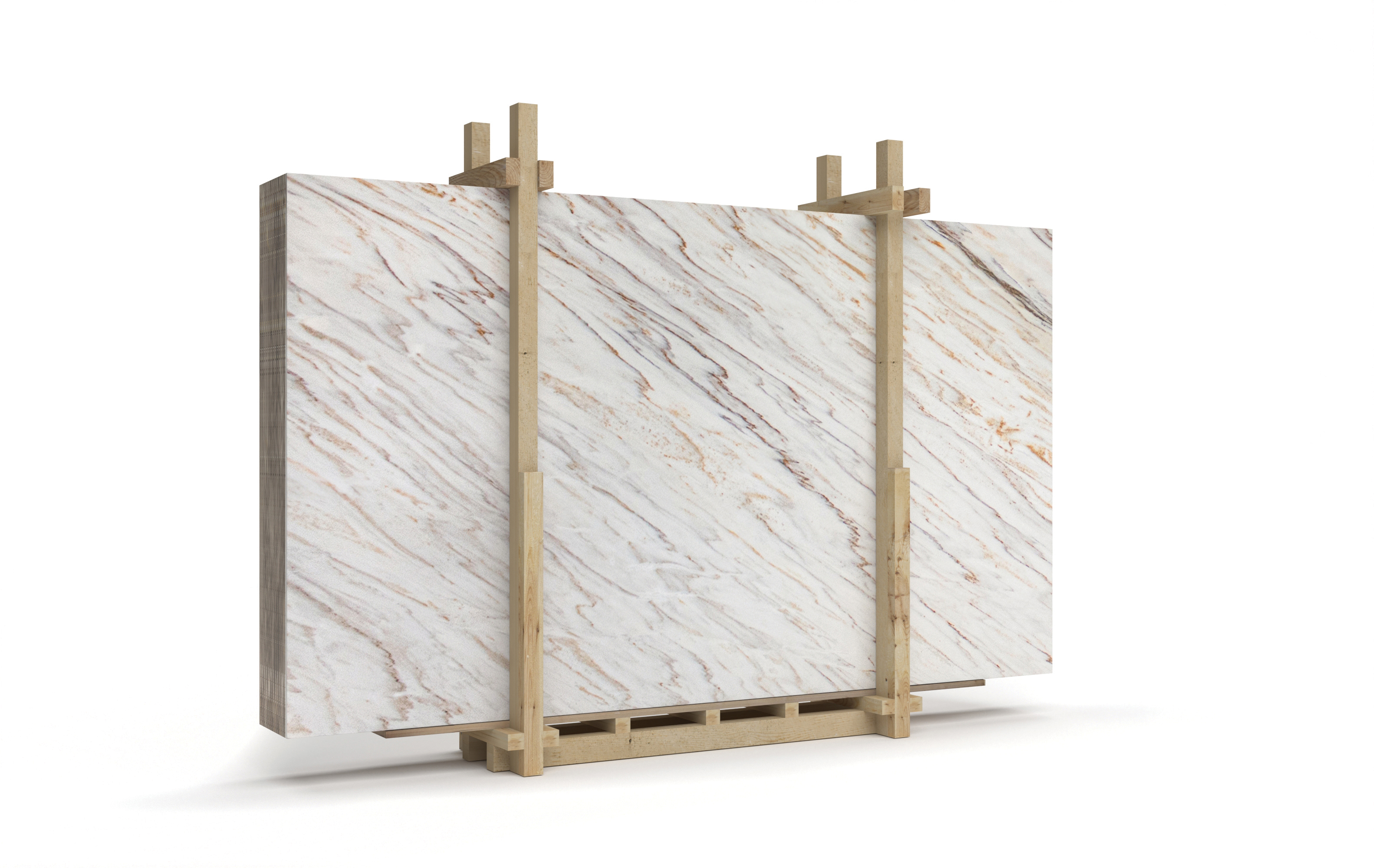
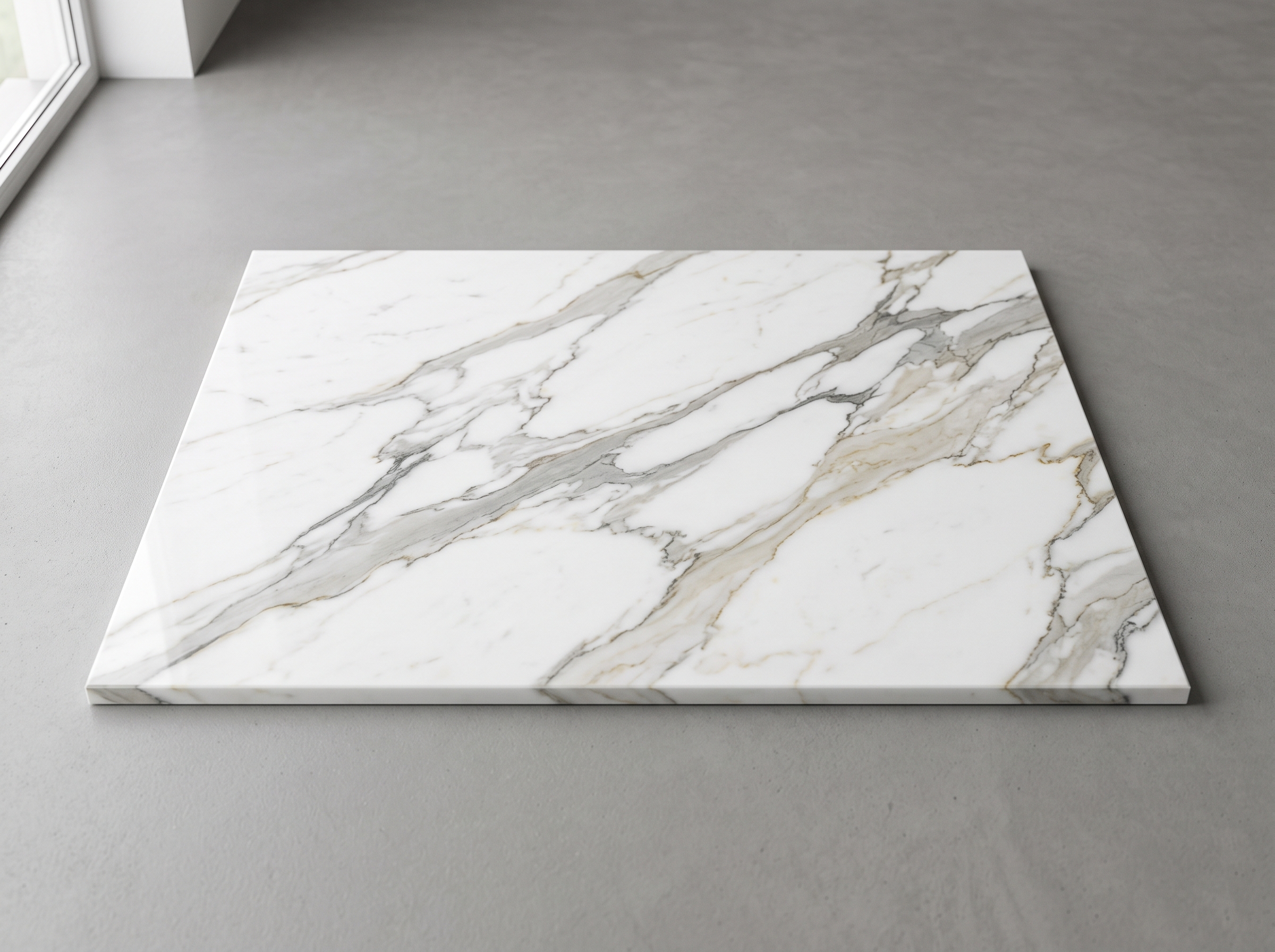
Large-format marble slabs have become increasingly popular in contemporary architecture because they reduce the number of joints, creating a seamless appearance.
Their advantages include:
-
A cleaner and more modern aesthetic
-
Greater visual continuity
-
Natural vein matching across large surfaces
-
Enhanced sense of luxury and spaciousness
For these reasons, architects and interior designers frequently specify large-format marble for premium projects.
Why Is Marble Quality So Important?
Beyond aesthetics, marble quality significantly affects durability and long-term performance.
High-quality marble typically features:
-
Balanced natural veining
-
Minimal structural cracks
-
Excellent color consistency
-
Homogeneous block structure
-
Superior processing performance
For large-scale projects, sourcing blocks from the same selection is especially important to ensure visual consistency throughout the entire installation.
Conclusion
There is no single answer to the question, "Which marble is best for interior spaces?" The ideal choice depends on the intended application, architectural style, color preferences, and technical requirements.
Whether for living rooms, kitchens, bathrooms, or commercial interiors, selecting the right natural stone results in spaces that are both visually striking and built to last. High-quality marble supplied by a reliable manufacturer also ensures consistent color, superior durability, and exceptional aesthetic value across every project.
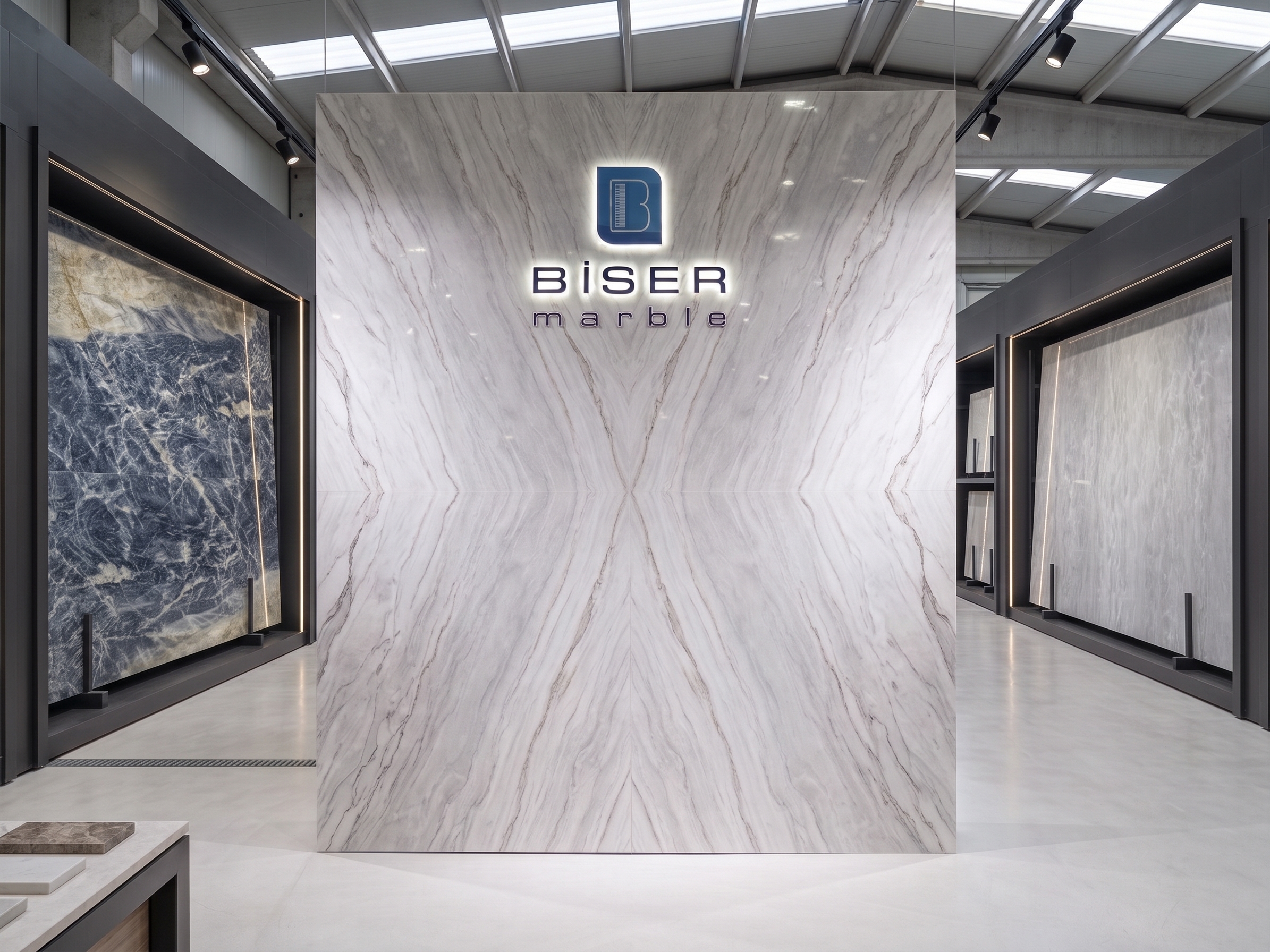
At Biser Marble, we supply premium natural stone extracted from our own marble quarry in İzmir, Türkiye. Every block and slab undergoes rigorous quality control to meet the expectations of domestic and international projects. With our wide range of marble blocks, slabs, and custom-cut solutions tailored to different architectural styles, we bring the timeless beauty and lasting value of natural stone to residential and commercial developments worldwide.