What Is Quartzite? Properties, Differences from Marble and Applications
Quartzite is a metamorphic natural stone known for its exceptional hardness, durability and distinctive crystalline texture. Thanks to its unique appearance and strong physical properties, it is widely used in architectural projects, interior design, flooring, wall cladding and decorative applications. Quartzite is particularly appealing to architects, designers and construction professionals looking for a natural stone that combines aesthetic appeal with outstanding durability.
But what exactly is quartzite? How is it formed? What are the main differences between quartzite and marble, and where is it used? In this guide, we explore the formation process, physical characteristics, advantages and applications of quartzite in the natural stone industry.
What Is Quartzite?
Quartzite is a metamorphic rock primarily formed when quartz-rich sandstone is exposed to high temperatures and pressure over geological periods. During this process, the original quartz grains recrystallize and become tightly interlocked, creating a dense, hard and durable natural stone.
Quartz, the main mineral component of quartzite, has a hardness of 7 on the Mohs scale. This makes quartzite highly resistant to scratching and abrasion compared with many other natural stones.
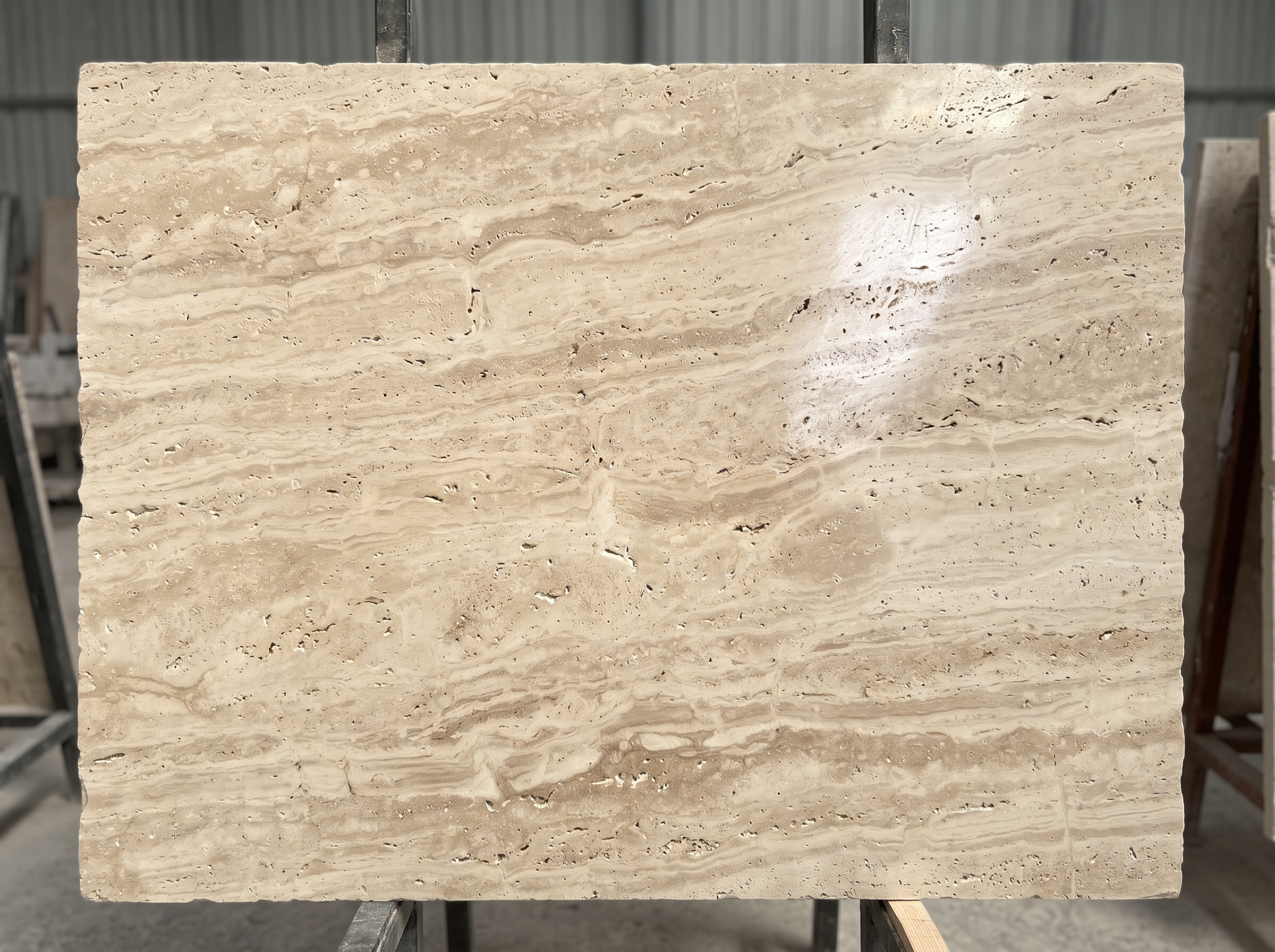
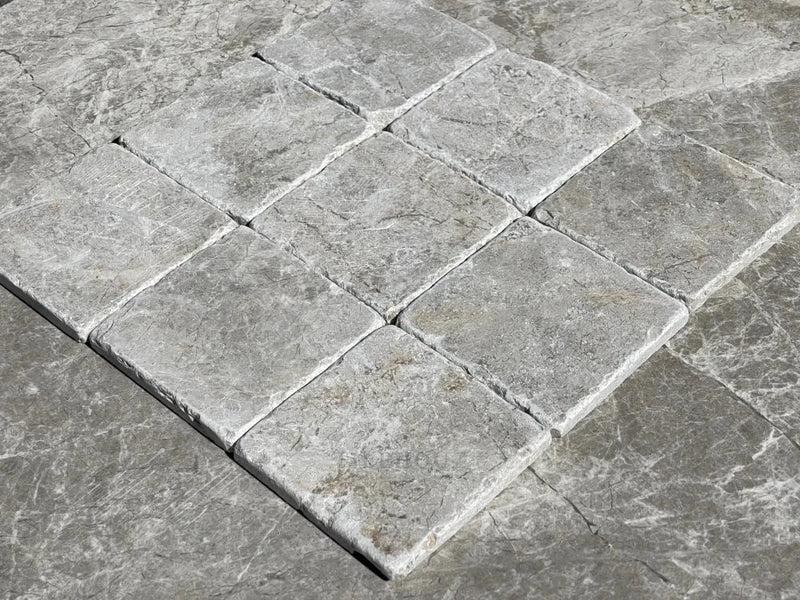
Depending on its mineral composition and geological formation, quartzite can display a wide range of colours, patterns and surface textures. Common colours include white, grey, beige, pink, green, blue and reddish tones.
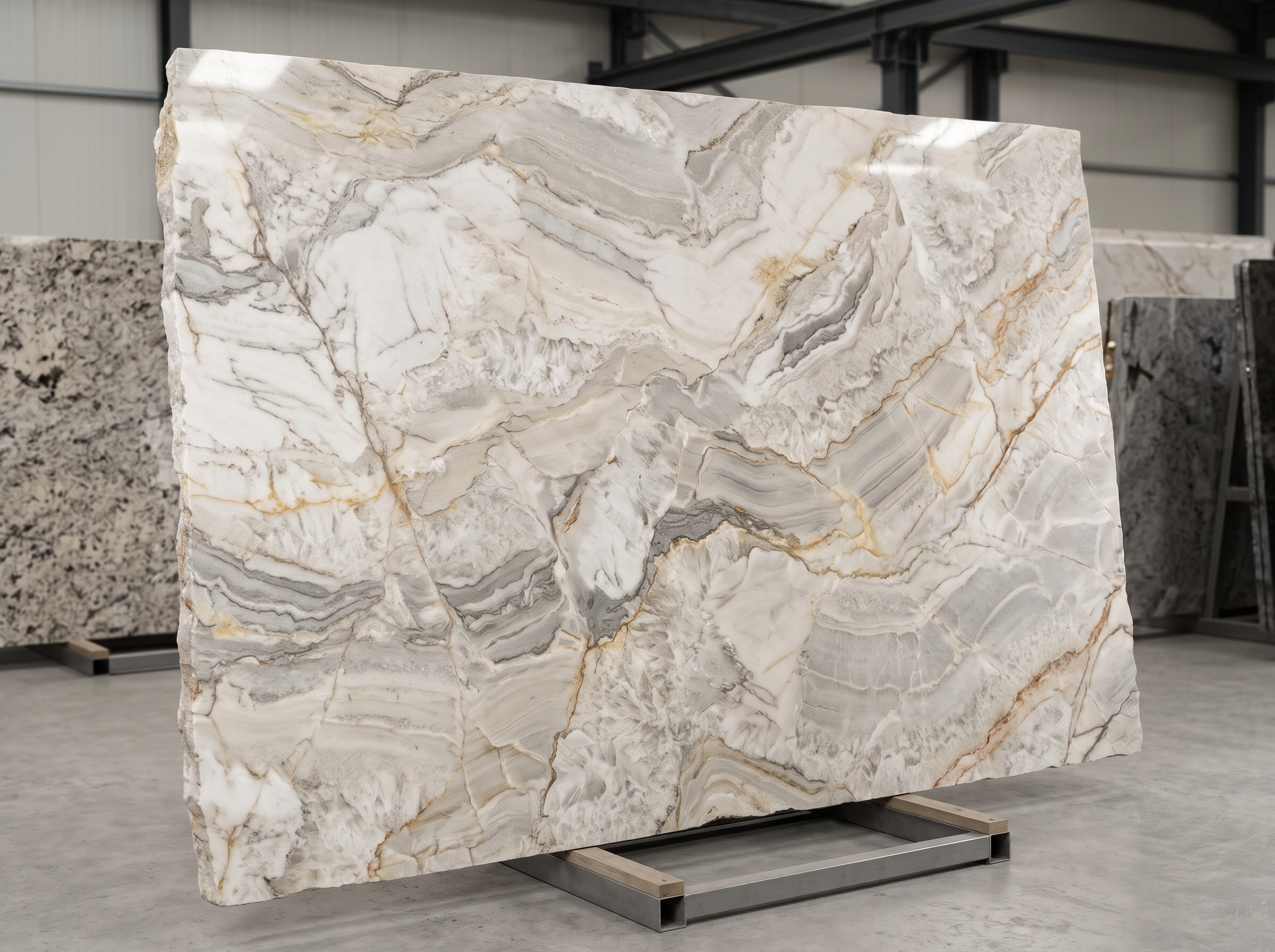
Some quartzite varieties feature striking natural veins, crystalline patterns and subtle colour transitions, making each slab visually distinctive.
Due to its combination of natural beauty and physical strength, quartzite is a popular material for architectural and interior design projects where both aesthetics and performance are important.
How Is Quartzite Formed?
The formation of quartzite is a natural geological process that can take millions of years.
The process generally involves three main stages:
-
Formation of sandstone: Quartz-rich sand grains accumulate and gradually form sandstone, a sedimentary rock.
-
Exposure to heat and pressure: Tectonic movements and geological processes expose the sandstone to high temperatures and pressure within the Earth's crust.
-
Recrystallization: The quartz grains recrystallize and become tightly interlocked, transforming the original sandstone into a harder and denser metamorphic rock known as quartzite.
As a result of this transformation, quartzite develops significantly greater hardness and durability than its original sandstone material.
What Are the Main Properties of Quartzite?
Quartzite has several distinctive physical and aesthetic properties resulting from its mineral composition and geological formation. These characteristics determine its suitability for different architectural and decorative applications.
1. High Hardness and Durability
One of the most important characteristics of quartzite is its exceptional hardness. Since quartz, its primary mineral component, has a Mohs hardness rating of 7, quartzite is highly resistant to scratching and everyday wear.
This makes it suitable for surfaces exposed to frequent use, including kitchen countertops, flooring and decorative surfaces in commercial spaces.
2. Natural Colour and Vein Variations
Quartzite occurs in a wide variety of colours and patterns depending on the presence of other minerals within the rock.
Common quartzite colours include:
-
White and off-white
-
Light grey and dark grey
-
Beige and cream
-
Pink and reddish tones
-
Green
-
Blue
-
Brown
Some varieties feature prominent veins, crystalline formations and striking combinations of different colours. These natural characteristics give each slab a unique appearance.
3. Acid Resistance
Genuine quartzite generally offers greater resistance to many acidic substances than marble because of its quartz-rich mineral composition.
For example, acidic substances such as lemon juice and vinegar can cause etching and surface dullness on marble. Genuine quartzite is considerably less susceptible to this type of chemical damage.
However, it is important to verify the actual mineralogical composition of the stone, as some materials commercially marketed as quartzite may contain different minerals.
4. Heat Resistance
Quartzite is formed under high temperatures and pressure over geological periods. As a result, it generally performs well in applications involving heat.
It can be considered for kitchen countertops and decorative fireplace surrounds. However, sudden temperature changes, natural fissures and the specific characteristics of the stone should always be taken into account.
5. Unique Natural Appearance
The colours, veins and patterns found in quartzite are created through natural geological processes. Therefore, even slabs from the same stone variety may display differences in colour and pattern.
This uniqueness makes quartzite an attractive material for architects and interior designers seeking distinctive and visually appealing surfaces.
6. Water Absorption and Porosity
Quartzite generally has a dense mineral structure. However, water absorption rates can vary depending on the stone's mineral composition, porosity, microfissures and physical characteristics.
For this reason, the technical properties of quartzite should be evaluated before using it in kitchens, bathrooms and other areas exposed to moisture.
Suitable natural stone sealers may be applied to certain quartzite surfaces to help reduce staining and moisture penetration.
What Are the Differences Between Quartzite and Marble?
Quartzite and marble can sometimes look similar because of their polished surfaces and natural veining. In particular, white and light-coloured quartzite varieties may resemble certain types of marble.
However, these two natural stones have different geological origins, mineral compositions and physical properties.
Marble is a metamorphic rock formed when limestone or dolostone undergoes metamorphism. Its main minerals are calcite and dolomite.
Quartzite, on the other hand, forms when quartz-rich sandstone undergoes metamorphism.
The main differences between these two natural stones are summarised below.
| Property | Quartzite | Marble |
|---|---|---|
| Rock type | Metamorphic | Metamorphic |
| Main mineral | Quartz | Calcite and/or dolomite |
| Original rock | Sandstone | Limestone or dolostone |
| Mohs hardness | Approximately 7 | Approximately 3 for calcite |
| Scratch resistance | High | Relatively low |
| Acid resistance | Generally high | Sensitive to acids |
| Natural appearance | Crystalline and veined | Veined and crystalline |
| Maintenance | Depends on stone characteristics | May require regular care and protection |
| Applications | Countertops, flooring, walls and decoration | Flooring, walls, countertops and architectural decoration |
Is Quartzite More Durable Than Marble?
In terms of scratch resistance and resistance to acid-related surface damage, genuine quartzite is generally more durable than marble.
The main reason is the difference in their mineral compositions. Quartz has a Mohs hardness of 7, while calcite, one of the primary minerals in marble, has a hardness of approximately 3.
Therefore, quartzite can be an excellent alternative for surfaces exposed to frequent use, potential scratching or contact with acidic substances.
However, properties such as impact resistance, flexural strength, water absorption and overall surface performance cannot be determined solely by the stone's commercial name. The technical specifications of the selected slab should also be evaluated.
What Are the Differences Between Quartzite and Granite?
Quartzite and granite are often compared because both are hard and durable natural stones. However, their geological origins and mineral compositions are different.
Quartzite is a metamorphic rock formed from quartz-rich sandstone and consists primarily of quartz minerals.
Granite, on the other hand, is an igneous rock formed when magma slowly cools and solidifies beneath the Earth's surface. Its main minerals include quartz, feldspar and mica.
Both materials are widely used in kitchen countertops, flooring and architectural applications.
Quartzite is often recognised by its crystalline appearance and natural veining, while granite typically features a more granular and speckled surface.
What Are the Applications of Quartzite?
Thanks to its physical durability and decorative appearance, quartzite can be used in a wide range of architectural and design applications.
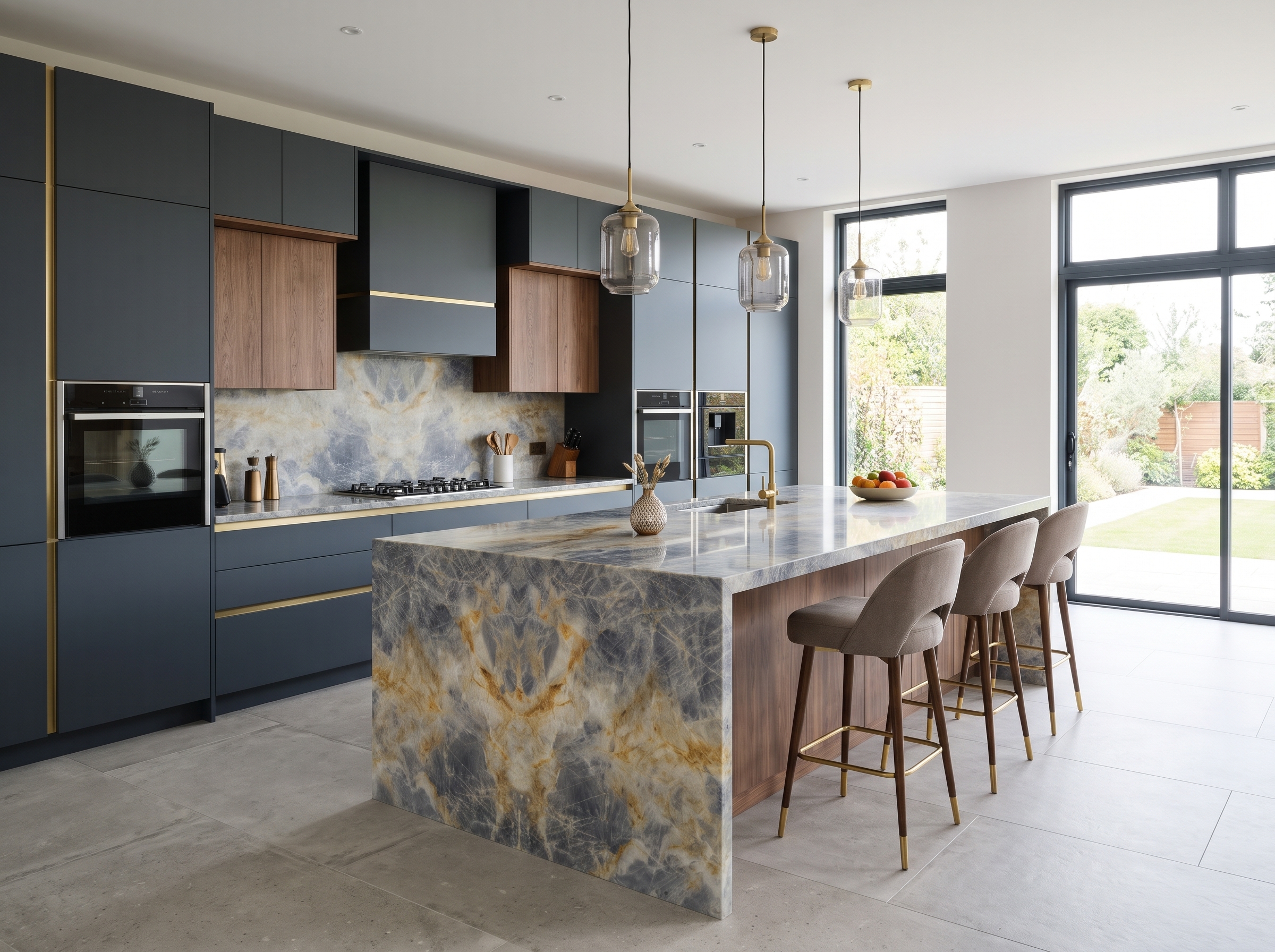
1. Kitchen Countertops
The high hardness and acid resistance of quartzite make it an attractive natural stone option for kitchen countertops.
Quartzite slabs with distinctive natural veins can create elegant surfaces in both modern and traditional kitchen designs.
2. Bathrooms and Wet Areas
Quartzite can be used for bathroom countertops, vanity tops, shower walls and decorative surfaces.
For these applications, water absorption, surface finishing and appropriate sealing treatments should be carefully considered.
3. Flooring
Its high hardness and abrasion resistance make quartzite a suitable option for flooring in residential and commercial projects.
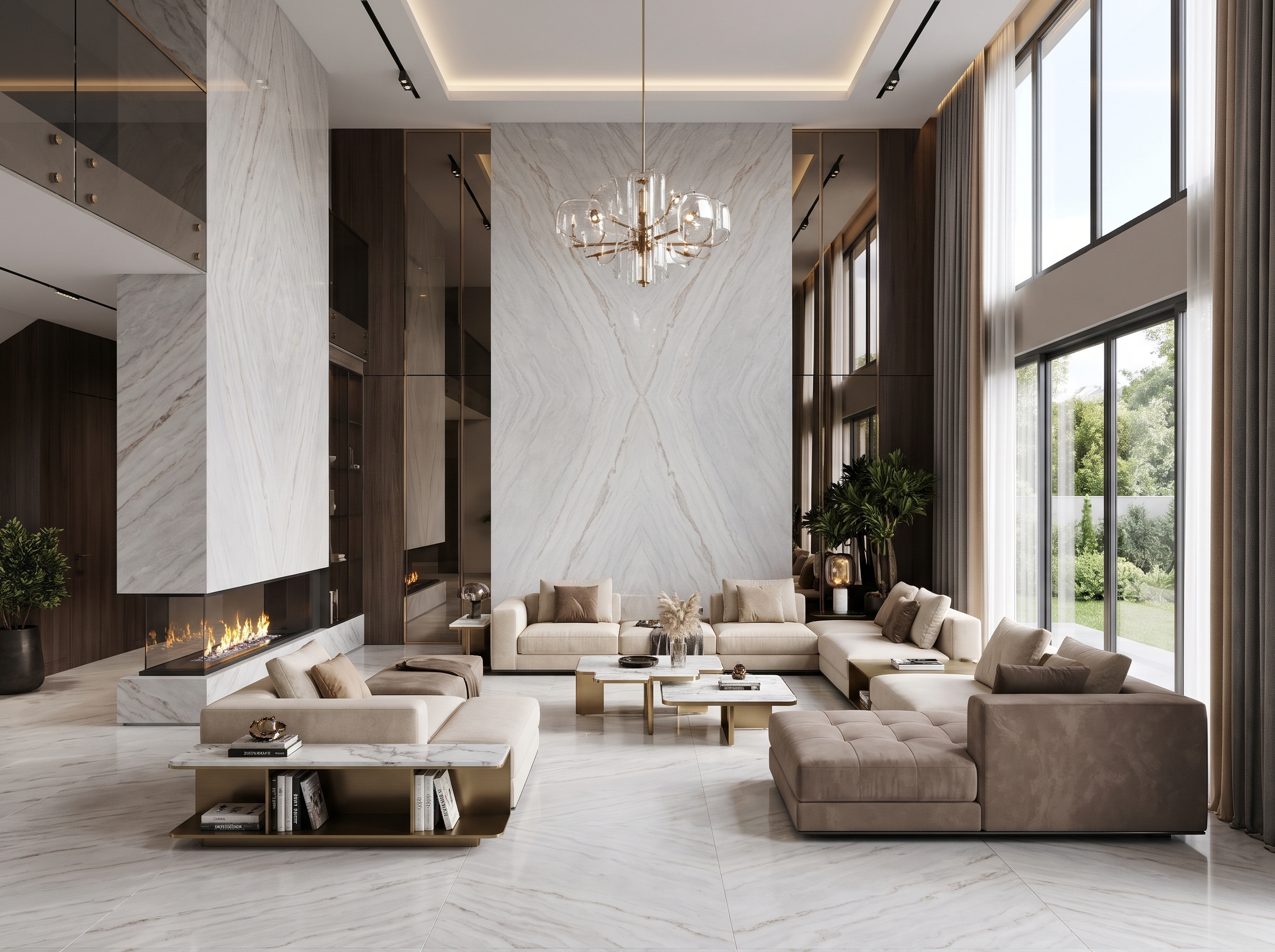
It can be considered for hotels, offices, retail spaces and residential interiors where designers want to incorporate the natural beauty of stone.
Slip resistance and expected foot traffic should also be taken into account when selecting quartzite for flooring applications.
4. Wall Cladding
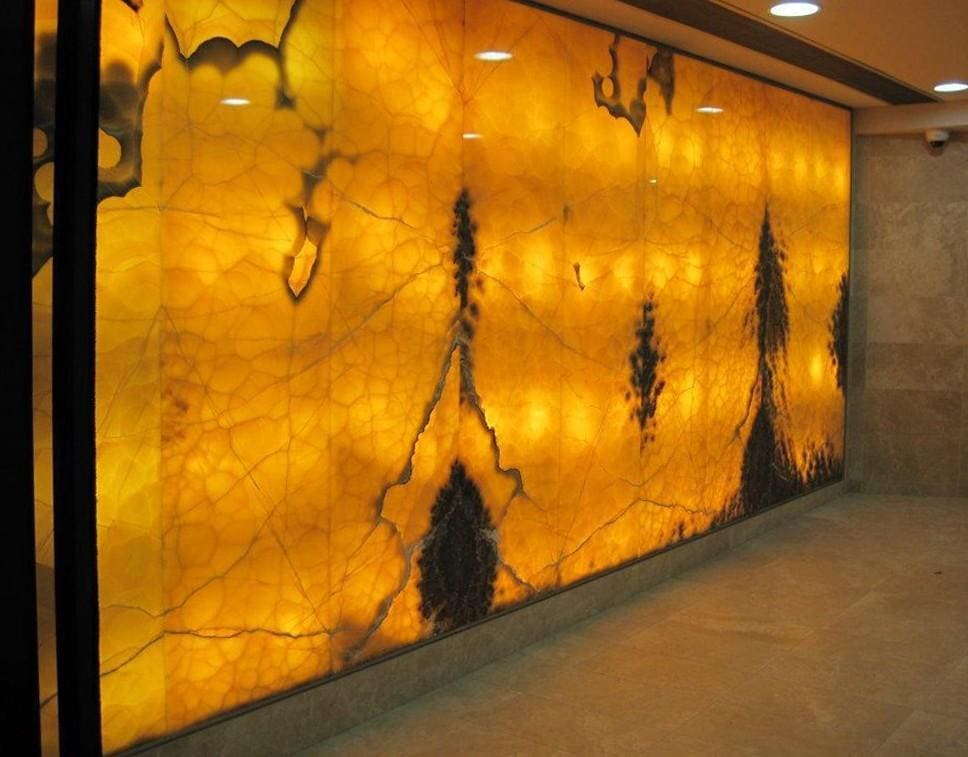
Quartzite slabs and cut-to-size natural stone products can be used for interior and exterior wall cladding.
Wall applications that highlight the natural veins and colour variations of quartzite can add character and visual depth to architectural spaces.
5. Fireplaces and Decorative Areas
Quartzite can be used as an attractive natural stone material for fireplace surrounds and decorative wall applications.
Its crystalline texture and natural colour variations can create striking results, particularly in contemporary interior design projects.
6. Furniture and Custom Design Applications
Quartzite is also suitable for various furniture and bespoke design applications, including:
-
Dining and coffee table tops
-
Reception counters
-
Decorative furniture surfaces
-
Custom interior design elements
-
Commercial countertops
Its distinctive natural patterns make it possible to create unique designs that stand apart from conventional surface materials.
What Should You Consider When Choosing Quartzite?
Selecting quartzite for an architectural project requires more than simply choosing a colour or pattern. The physical characteristics of the stone and the intended application should also be evaluated.
Here are the main factors to consider:
1. Mineralogical composition: The stone should be verified as genuine quartzite. Some natural stones sold commercially as quartzite may have different mineralogical compositions.
2. Colour and veining: Select colours, vein patterns and surface characteristics that complement the overall design of the project.
3. Water absorption: Water absorption properties should be evaluated, particularly for kitchen and bathroom applications.
4. Natural fissures and structural integrity: Slabs should be inspected for natural fissures, cracks, vein formations and other structural characteristics.
5. Surface finish: Different finishes, including polished and honed surfaces, should be selected according to the intended application.
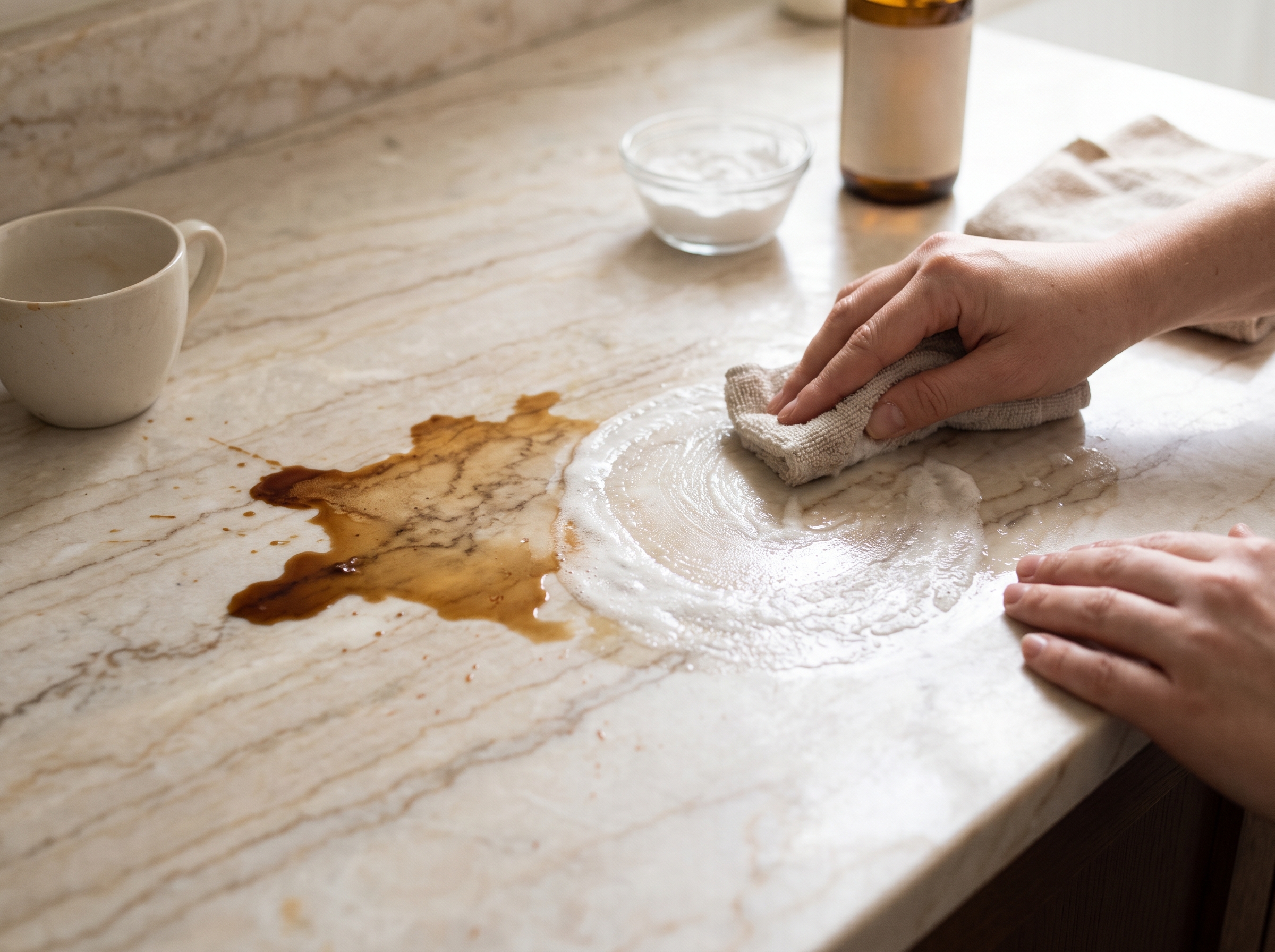
6. Maintenance and protection: Appropriate cleaning and sealing methods should be determined based on the stone's characteristics.
7. Installation and handling: Cutting, transportation and installation processes should be planned according to the thickness, dimensions and physical properties of the stone.
How to Maintain Quartzite
Although quartzite is a durable natural stone, proper maintenance is essential to preserve its natural appearance over time.
The following recommendations can help maintain quartzite surfaces:
-
Use pH-neutral cleaners specifically designed for natural stone.
-
Avoid abrasive cleaning products that may damage the surface finish.
-
Choose sealers suitable for the specific characteristics of the stone.
-
Do not allow oil or staining substances to remain on the surface for extended periods.
-
Carry out regular maintenance and inspections according to the application.
Although genuine quartzite is generally resistant to acids, its mineral composition, surface treatment and microfissures may affect its maintenance requirements. Recommendations from the stone supplier or a natural stone specialist should always be considered.
The Importance of Quartzite in Modern Architectural Projects
Today, the demand for natural materials in architecture is driven not only by aesthetic preferences but also by the need for durable and functional building solutions.
With its exceptional hardness, natural colour variations and distinctive veining, quartzite offers a combination of properties that makes it suitable for a wide range of architectural projects.
It is particularly valued in luxury residential developments, hotels, commercial spaces and bespoke interior design projects.
Since every slab has its own natural patterns and characteristics, quartzite allows architects and designers to create distinctive surfaces that add individuality to their projects.
When selected carefully and combined with appropriate surface treatments and professional installation, quartzite can provide both aesthetic appeal and functional performance.
Frequently Asked Questions About Quartzite
What is quartzite?
Quartzite is a hard and durable metamorphic rock formed when quartz-rich sandstone undergoes metamorphism under high temperatures and pressure. It consists primarily of quartz minerals.
Is quartzite a type of marble?
No. Quartzite and marble are two different metamorphic rocks with distinct mineral compositions. Quartzite consists mainly of quartz, while marble is primarily composed of calcite and/or dolomite.
Is quartzite harder than marble?
Yes. Quartz has a Mohs hardness of approximately 7, while calcite, the main mineral in many types of marble, has a hardness of approximately 3. Therefore, genuine quartzite is considerably harder than marble.
Does quartzite absorb water?
The water absorption rate of quartzite depends on its mineral composition, porosity and microfissures. Although it generally has a dense structure, water absorption can vary between different quartzite varieties.
Can quartzite be used for kitchen countertops?
Yes. Quartzite is a popular natural stone option for kitchen countertops due to its high hardness and resistance to acids. However, its water absorption, surface characteristics and maintenance requirements should be evaluated before installation.
Does quartzite scratch?
Quartzite is highly resistant to scratching because of its hardness. However, no natural stone is completely scratch-proof. Contact with sharp or extremely hard objects may still cause surface or edge damage.
Is quartzite a natural stone?
Yes. Quartzite is a natural metamorphic rock formed through geological processes over millions of years. It should not be confused with engineered quartz surfaces, which are manufactured composite materials.
Are quartz and quartzite the same thing?
No. Quartz is a mineral, whereas quartzite is a natural rock composed primarily of quartz minerals. Quartzite forms when quartz-rich sandstone undergoes metamorphism.
Conclusion
Quartzite is a remarkable natural stone that stands out for its exceptional hardness, durability and distinctive natural colours and veining. Its different mineral composition makes it more resistant to scratching and acid-related surface damage than marble, offering an attractive alternative for a wide range of architectural applications.
From kitchen countertops and flooring to wall cladding, bathroom surfaces and custom furniture, quartzite combines natural beauty with functional performance.
At Biser Marble, we offer natural stone solutions for a variety of architectural and design projects. Discover natural stone options for your next project and contact our team to learn more about our products and services.