What Is Marble Density? Why Density Matters in Natural Stone Selection
When choosing marble, most people focus on color, veining, and overall appearance. However, the technical characteristics of natural stone are just as important as its visual appeal. One of the most significant of these properties is marble density. Particularly in large-scale architectural projects, commercial buildings, and international natural stone supply, the physical properties of marble directly influence its long-term performance.
So, what is marble density, how is it measured, and why is it important when selecting natural stone? In this guide, we'll explain what marble density means, how it is determined through laboratory testing, and why it should be considered alongside other technical properties when choosing high-quality marble.
What Is Marble Density?
Marble density is the physical property that describes the mass of the stone within a given volume. In simple terms, it indicates how compact and solid the natural stone is.
Density is typically expressed in:
-
kg/m³ (kilograms per cubic meter)
-
g/cm³ (grams per cubic centimeter)
The density of marble varies depending on its geological formation, mineral composition, and level of porosity.
Although density alone does not determine the overall quality of marble, it provides valuable insight into the stone's physical characteristics and structural consistency.
Why Is Marble Density Important?
Successful natural stone projects require more than attractive appearance—they also depend on reliable technical performance.
Marble with appropriate density characteristics may offer:
-
A more homogeneous internal structure
-
More consistent processing performance
-
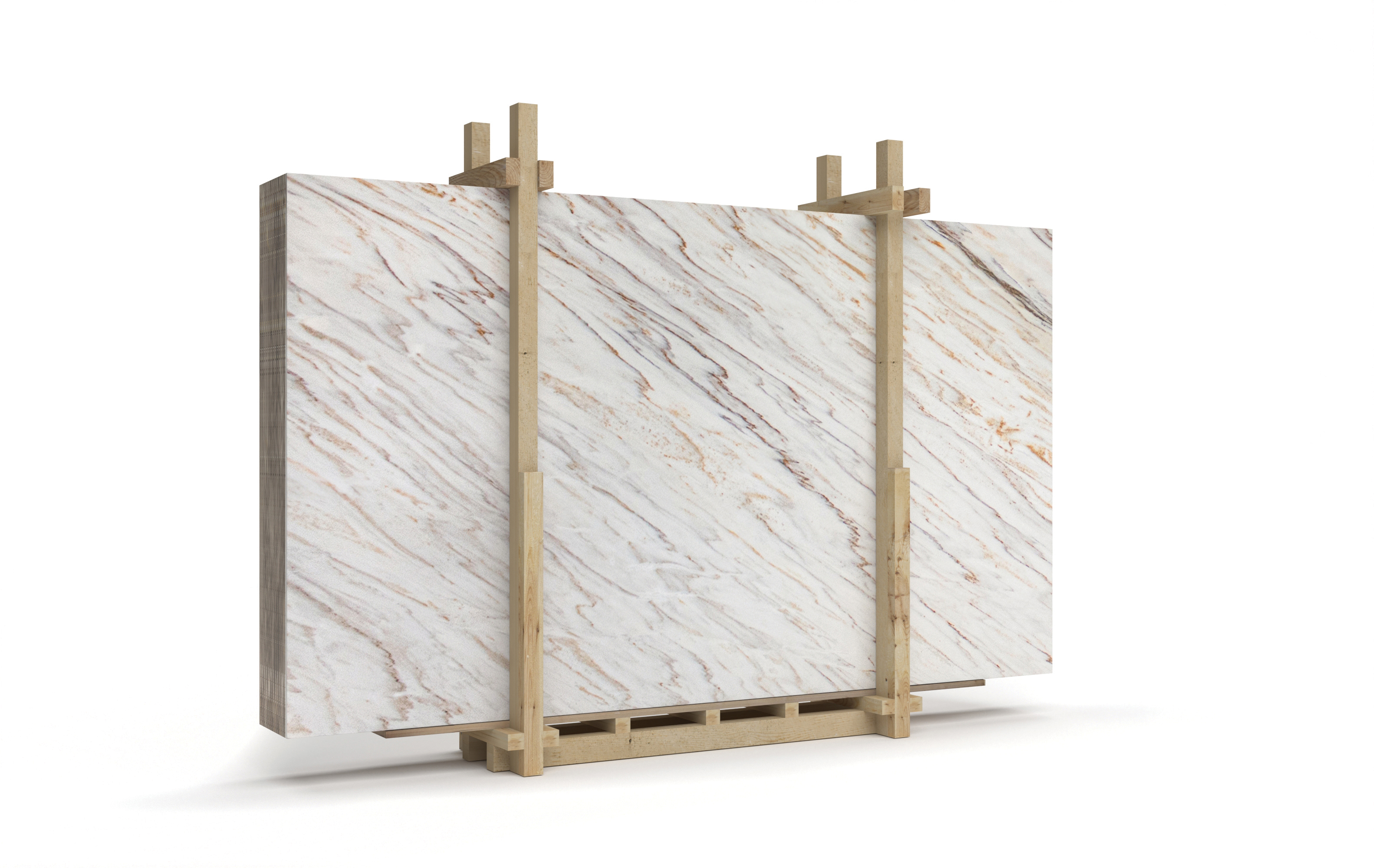
Better suitability for producing large-format slabs
-
Reliable performance in architectural applications
-
Long-lasting aesthetic appearance
For this reason, density is one of the technical properties commonly specified in architectural and engineering project requirements.
How Is Marble Density Measured?
Marble density is determined through laboratory testing performed according to internationally recognized standards.
The testing process generally involves:
-
Measuring the volume of the stone specimen.
-
Determining its weight using precision laboratory equipment.
-
Calculating density based on the relationship between mass and volume.
The resulting values are included in technical data sheets and are widely used by architects, engineers, consultants, and natural stone importers when evaluating materials.
Is Density the Same as Durability?
Although density and durability are related, they are not the same property.
A higher density does not automatically mean that a marble is stronger or more durable.
A complete technical evaluation should also consider:
-
Compressive strength
-
Flexural strength
-
Water absorption
-
Abrasion resistance
-
Freeze-thaw resistance (where applicable)
-
Mineral composition
Only by evaluating all relevant physical and mechanical properties together can the true performance of natural stone be assessed.
Where Is Marble Density Most Important?
Density becomes especially significant in projects where technical performance is a key requirement.
Commercial Buildings
Hotels, shopping centers, office buildings, and public facilities often require detailed technical evaluations of natural stone before approval.
Flooring Applications
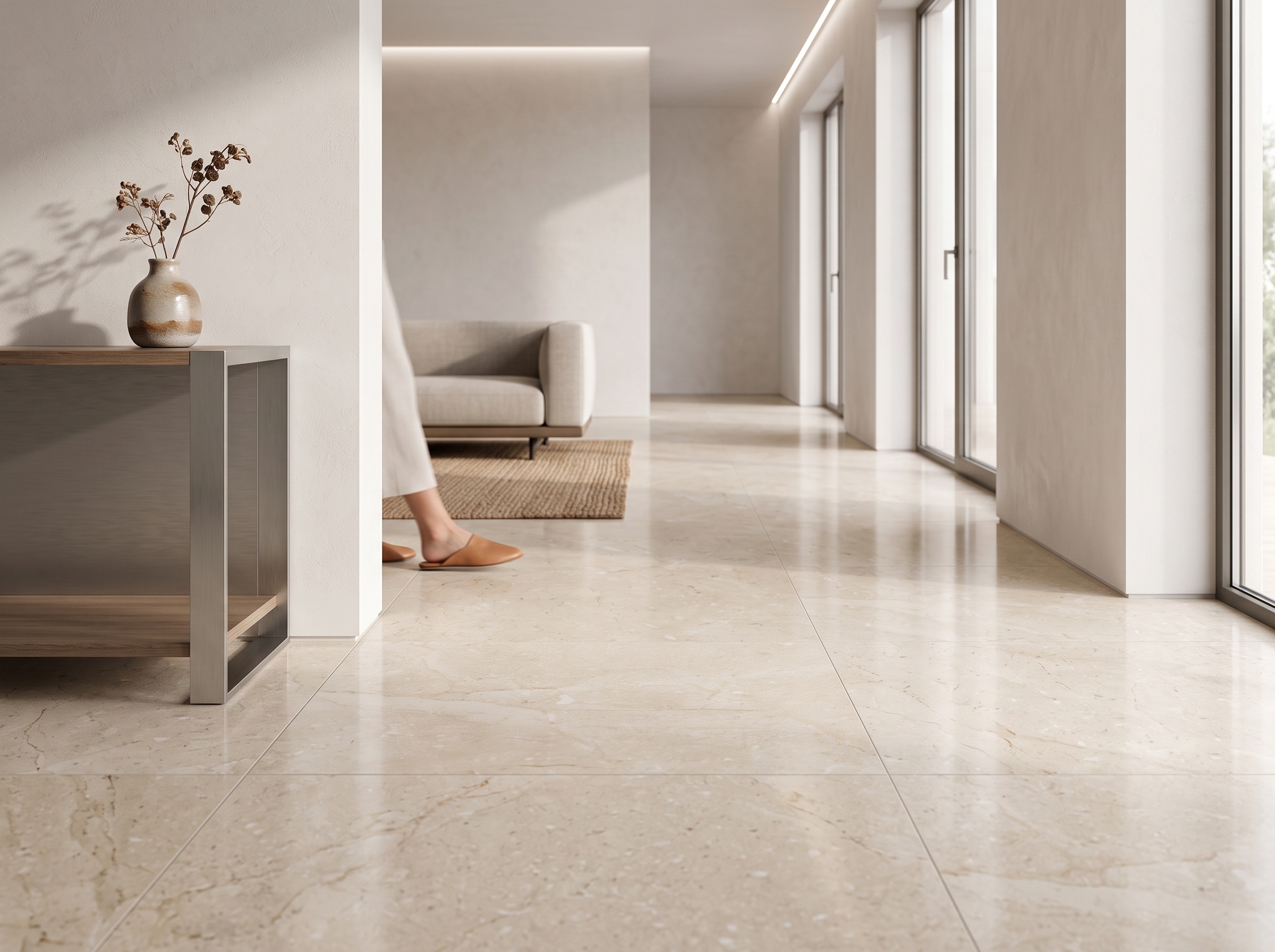
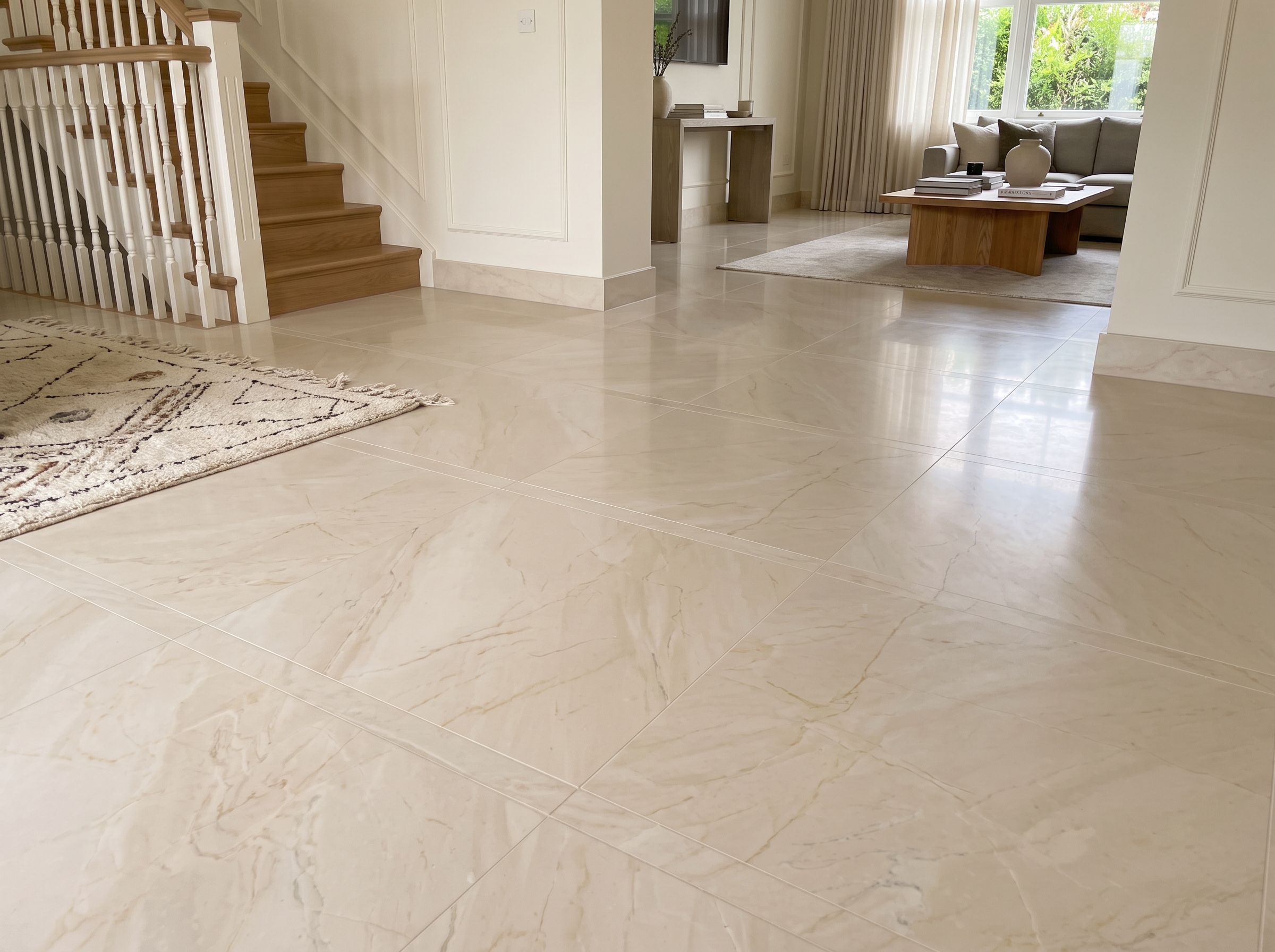
In high-traffic areas, the physical properties of marble contribute to long-term durability and performance.
Façade Cladding
Exterior marble applications require comprehensive technical analysis to ensure appropriate material selection and structural reliability.
International Projects
For export projects, technical data sheets and laboratory reports are frequently required by architects, consultants, and project owners.
Verified testing provides confidence in the quality and consistency of the supplied natural stone.
What Factors Affect Marble Density?
The density of marble varies naturally depending on its geological characteristics.
The primary factors include:
-
Mineral composition
-
Crystal structure
-
Porosity
-
Geological formation process
-
Presence of natural fractures
Even blocks extracted from the same quarry may exhibit slight variations, making continuous quality control and laboratory testing essential.
Technical Quality at Biser Marble
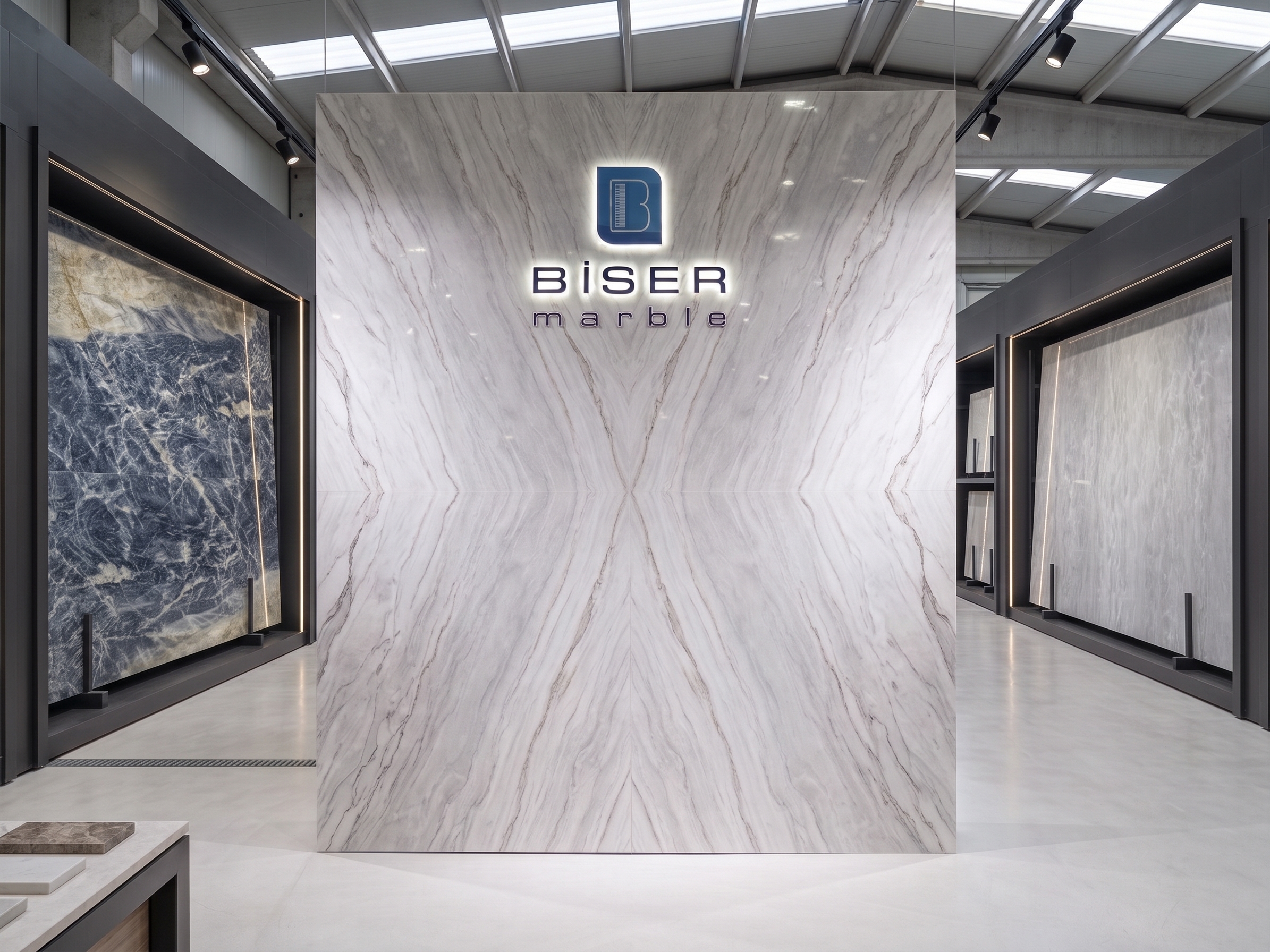
At Biser Marble, we extract premium natural stone from our own marble quarry in İzmir, Türkiye. Our signature marble collections—including Atlas Grey, Atlas Dark Grey, Idilliaco Perla, and Nile Nuvola—are produced under rigorous quality control procedures that meet international standards.
Our marble is regularly tested for key physical and mechanical properties, including:
-
Density
-
Water absorption
-
Compressive strength
-
Flexural strength
These technical evaluations confirm the excellent performance of our natural stone, making it suitable for a wide range of applications, from residential developments and luxury hotels to commercial buildings and prestigious architectural projects.
What Should You Consider When Selecting Marble?
Choosing the right marble involves much more than selecting an attractive color or vein pattern.
A comprehensive evaluation should include:
-
Color and veining consistency
-
Density
-
Compressive strength
-
Flexural strength
-
Water absorption
-
Block homogeneity
-
Consistent quality control
-
Reliable long-term supply
Considering both aesthetic and technical characteristics helps ensure the success of high-quality architectural projects.
Conclusion
Marble density is one of the key physical properties used to evaluate the technical performance of natural stone. While it does not define quality by itself, it becomes an important indicator when assessed alongside laboratory analyses such as compressive strength, flexural strength, and water absorption.
For professional architectural projects and international natural stone supply, selecting marble supported by verified technical testing provides greater confidence, long-term durability, and reliable performance.
At Biser Marble, we combine premium natural stone extracted from our own quarry with comprehensive laboratory testing and rigorous quality control to deliver marble that meets the highest international standards. By integrating outstanding aesthetics with proven technical performance and dependable long-term supply, we continue to provide natural stone solutions that add lasting value to projects around the world.