What Is Leather Finish Marble? A Guide to Textured Marble Surfaces
The appearance of natural stone is not determined solely by its colour, veining or mineral composition. Surface treatments also play an important role in defining the character, texture and applications of marble. One of the increasingly popular surface finishes in contemporary architecture and interior design is Leather Finish, also known as a leathered or textured finish.
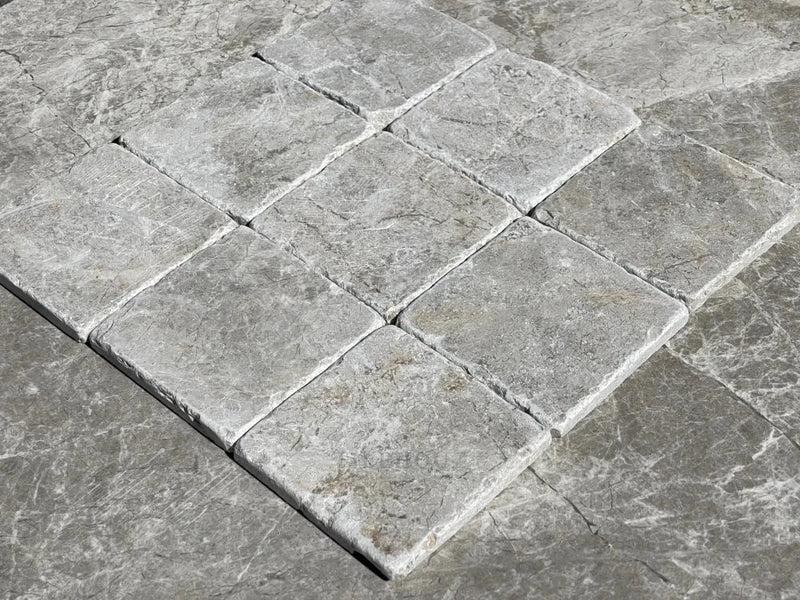
Leather Finish marble features a distinctive tactile surface created through specialised mechanical treatments. Unlike the highly reflective appearance of polished marble, it offers a more natural, subtly textured and generally low-sheen finish.
But what is Leather Finish marble? How is it produced? How does it differ from honed and polished marble? Where can it be used, and how should it be maintained?
In this guide, we explore the characteristics, production process, advantages and architectural applications of Leather Finish marble surfaces.
What Is Leather Finish Marble?
Leather Finish is a natural stone surface treatment designed to enhance the original texture and character of the stone. It is also commonly referred to as a leathered finish or textured stone finish.
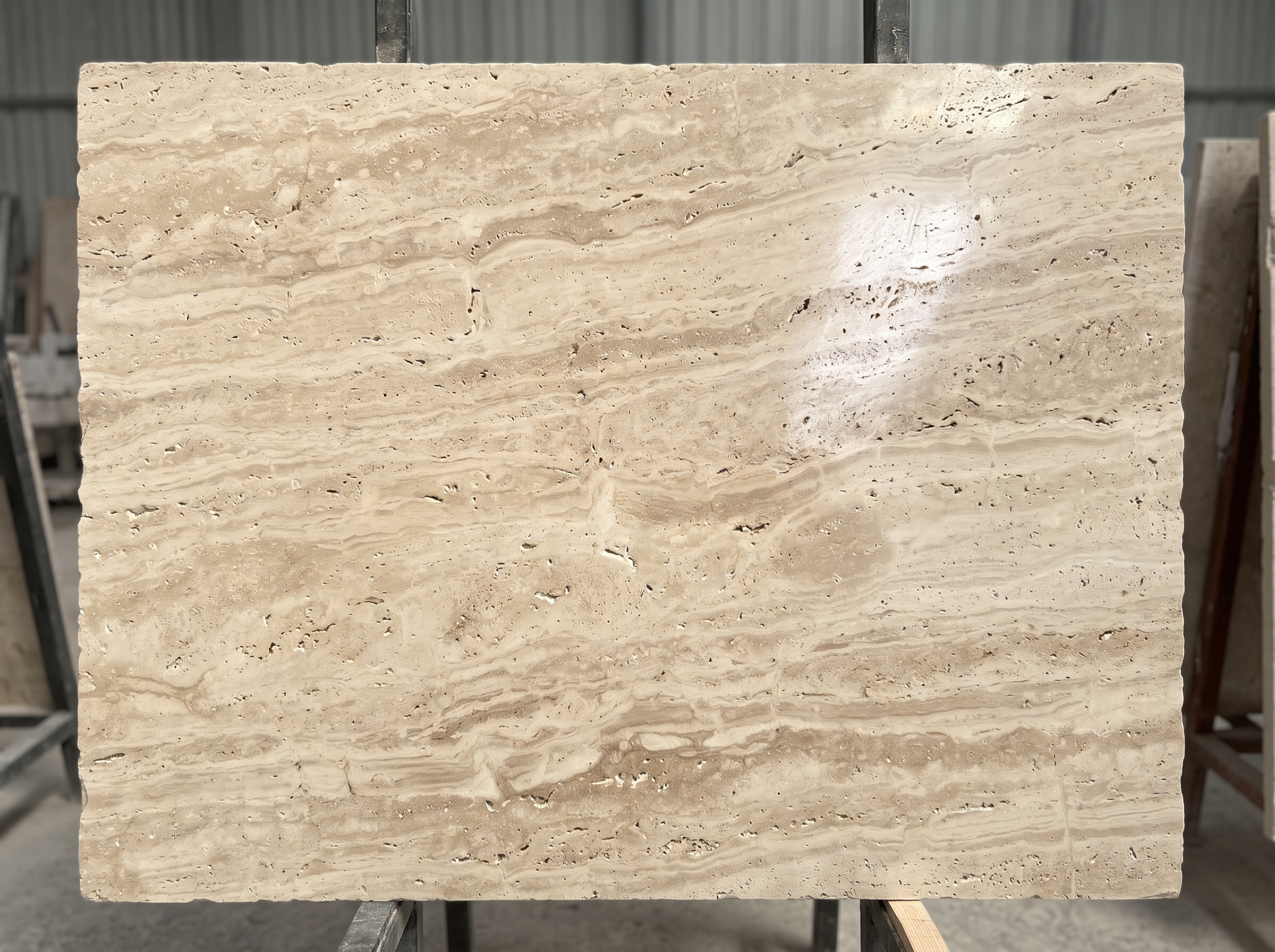
The process creates a slightly uneven, tactile surface rather than the completely smooth and glossy appearance of polished marble. Depending on the stone and treatment, its natural veins and mineral variations can become more visually prominent.
The main characteristics of Leather Finish surfaces include:
-
Low-sheen or satin-like appearance
-
Slightly textured and tactile surface
-
Enhanced visibility of natural veins and mineral variations
-
Less light reflection compared with polished surfaces
-
A natural appearance that highlights the stone's original character
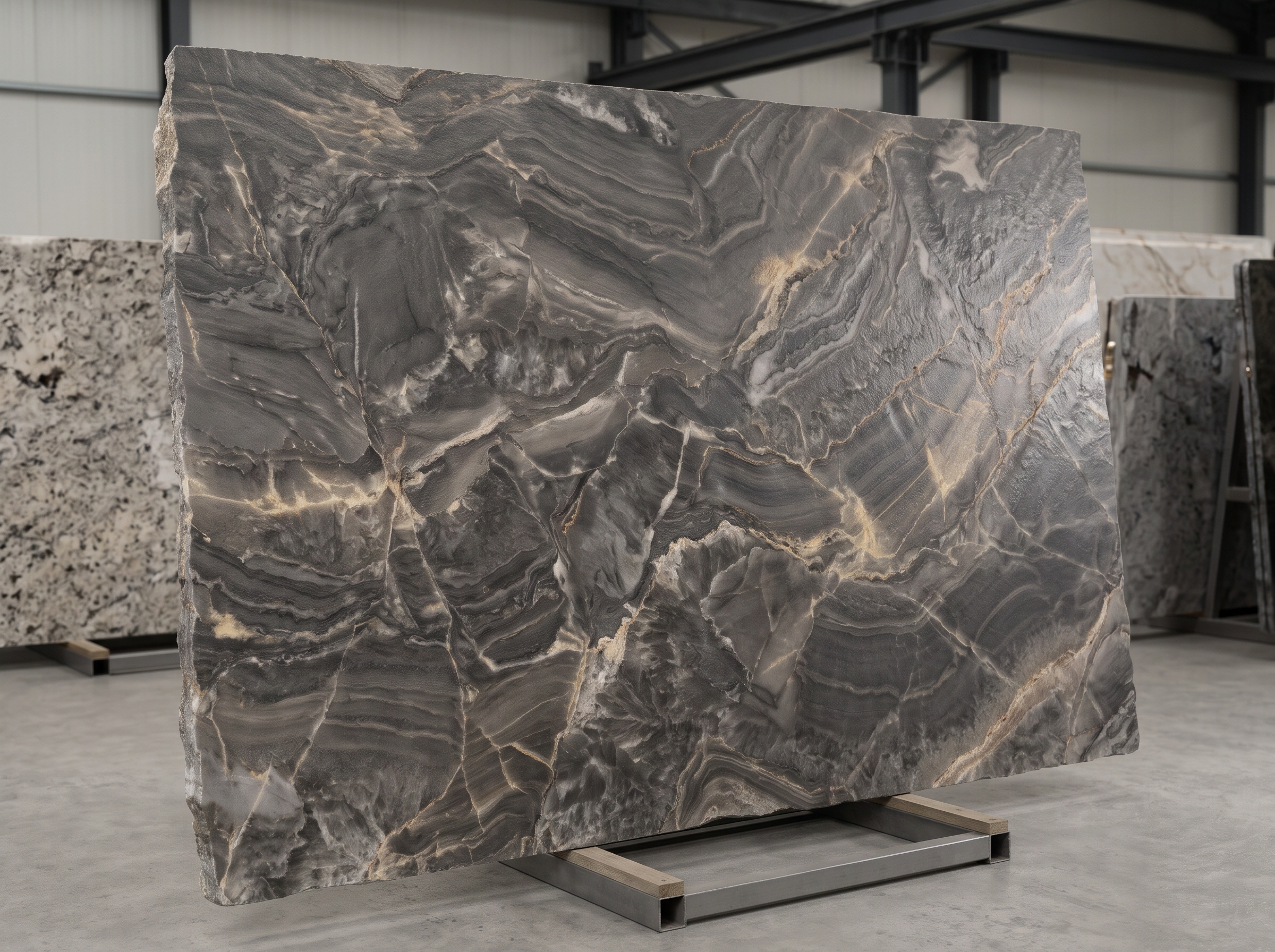
Leather Finish is not limited to marble. Similar surface treatments can also be applied to granite, quartzite and certain other natural stones. However, the resulting texture and appearance vary depending on the mineral composition and physical characteristics of each material.
How Is Leather Finish Marble Produced?
Leather Finish surfaces are created by processing natural stone slabs with specialised mechanical finishing equipment.
The type of equipment, abrasive brushes, pressure and sequence of operations all influence the final appearance of the stone.
The general production process involves the following stages:
1. Natural Stone Preparation
First, marble slabs cut from natural stone blocks are prepared for surface treatment. Their natural veins, structural characteristics and any visible fissures are inspected.
2. Mechanical Surface Treatment
The slab is processed using specialised abrasive brushes or suitable surface-finishing equipment.
During this stage, selected areas of the surface are carefully abraded to reveal the natural texture of the stone.
3. Creating the Texture and Appearance
Depending on the characteristics of the brushes and abrasives used, different levels of surface texture can be achieved.
The objective is to create a controlled, visually balanced texture that enhances the natural appearance of the stone.
4. Cleaning and Quality Control
After the surface treatment is completed, the slabs are cleaned and inspected.
Texture consistency, colour uniformity and overall surface quality are evaluated before the material is approved for further processing or delivery.
The final result of Leather Finish treatment depends on the type of stone, its mineral composition, natural veining and the finishing technique used. Therefore, different natural stones may produce different surface characteristics.
Differences Between Leather Finish, Honed and Polished Marble
Leather Finish, Honed Finish and Polished Finish are among the most commonly used surface treatments in the natural stone industry.
Each treatment can significantly change the appearance and tactile characteristics of the same natural stone.
1. Leather Finish
Leather Finish surfaces have a slightly textured and tactile appearance. They generally feature a low-sheen finish that highlights the natural character and veining of the stone.
This finish is particularly popular in contemporary, rustic and nature-inspired architectural designs.
2. Honed Finish
Honed Finish refers to a surface treatment that creates a smooth, flat and matte appearance without a high-gloss reflection.
Compared with Leather Finish, honed surfaces generally feel smoother and more uniform.
They are frequently used in minimalist and contemporary interior design projects.
3. Polished Finish
Polished Finish is achieved through mechanical processing that creates a highly reflective and glossy stone surface.
This treatment can make the colours, veins and mineral patterns of natural stone appear more vibrant.
It is commonly preferred in classic, luxurious and sophisticated interior design projects.
Comparison of Natural Stone Surface Finishes
| Property | Leather Finish | Honed Finish | Polished Finish |
|---|---|---|---|
| Appearance | Textured and natural | Matte and smooth | Glossy and reflective |
| Surface feel | Slightly textured | Smooth | Smooth |
| Gloss level | Low | Low | High |
| Vein appearance | Natural and prominent | Balanced | Vibrant and prominent |
| Light reflection | Limited | Low | High |
| Design style | Natural and contemporary | Minimalist | Classic and luxurious |
An important point to consider is that the performance of Leather Finish, Honed and Polished surfaces depends on the type of stone and the finishing technique used. Properties such as slip resistance, stain resistance and ease of maintenance should not be determined solely by the name of the finish.
What Are the Advantages of Leather Finish Marble?
Leather Finish marble offers several aesthetic and practical advantages for architectural and interior design projects.
1. Natural and Distinctive Appearance
Leather Finish enhances the natural veins and mineral texture of the stone.
Unlike glossy surfaces, it reflects less light, allowing the natural texture and colour variations of the material to stand out in a different way.
2. Can Make Fingerprints and Minor Surface Marks Less Visible
Fingerprints, dust and certain minor surface marks can be more noticeable on glossy, dark-coloured surfaces.
The textured structure of Leather Finish surfaces can help make some of these marks less visually prominent.
However, the result depends on the stone's colour, texture and usage conditions.
3. Reduced Light Reflection
Leather Finish marble reflects less light compared with highly polished surfaces.
This can create a more balanced and natural appearance, particularly in areas with intensive lighting.
4. Distinctive Tactile Character
Leather Finish offers a different experience not only visually but also through touch.
Its slightly textured surface can add warmth and individuality to interiors where natural materials play an important role.
5. Suitable for Different Design Styles
Leather Finish marble can complement modern, minimalist, rustic, industrial and nature-inspired interior designs.
When combined with materials such as wood, metal and glass, it can create attractive and distinctive design combinations.
Where Is Leather Finish Marble Used?
Thanks to its decorative appearance and distinctive texture, Leather Finish natural stone can be used in various architectural applications.
1. Kitchen Countertops
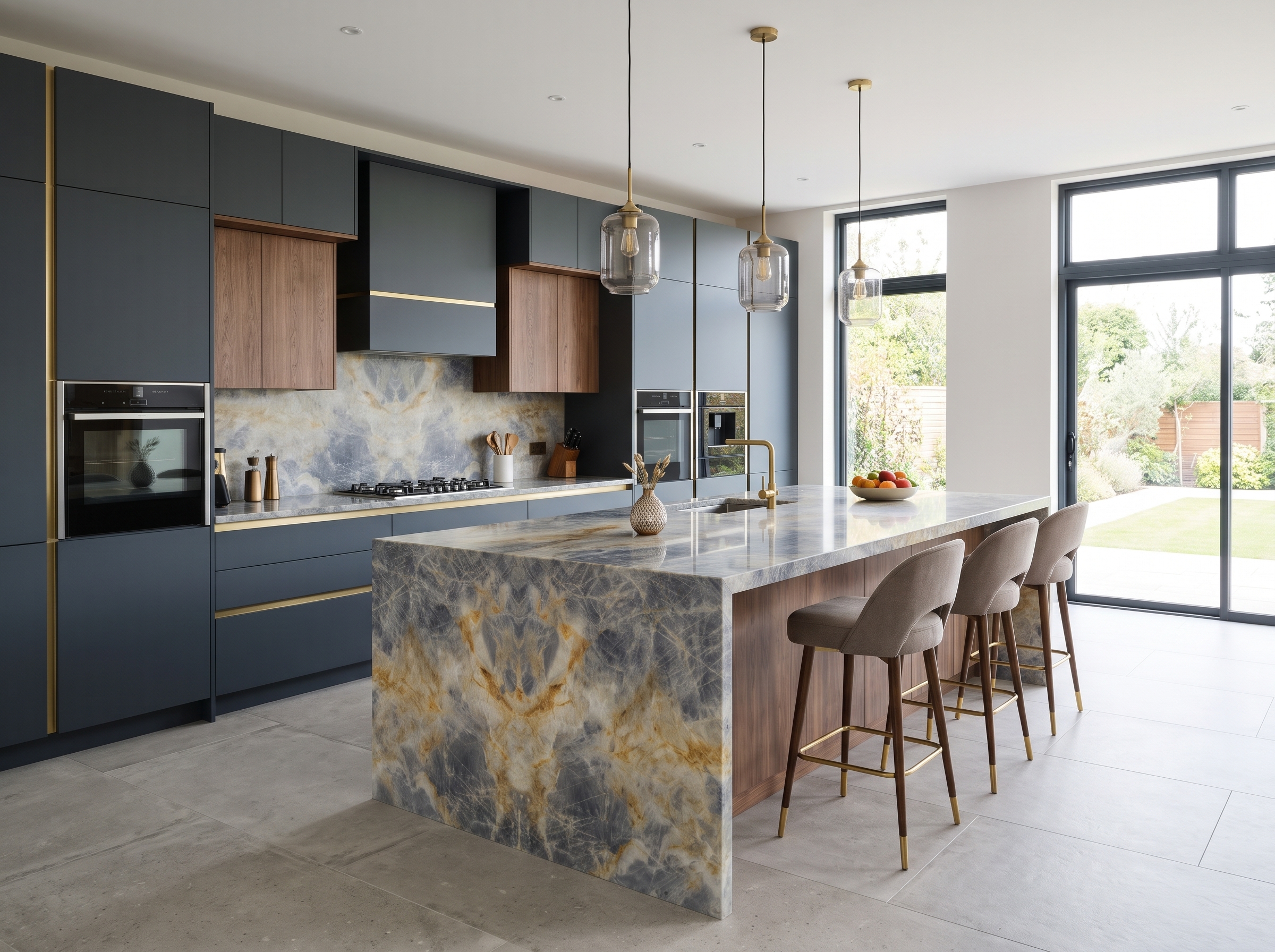
Leather Finish marble and other natural stones can provide an attractive surface option for kitchen countertops.
In particular, darker natural stones with a leathered finish can create a sophisticated and understated appearance.
However, it is important to remember that marble, due to its calcite-rich mineral composition, can be sensitive to acidic substances.
When selecting marble for kitchen countertops, its mineral composition, protection requirements and expected usage conditions should be carefully evaluated.
2. Bathrooms and Vanity Tops
Leather Finish surfaces can be used for bathroom countertops, vanity areas and decorative wall applications.
Their textured appearance can create a natural and calming atmosphere in bathroom interiors.
Water absorption, cleaning requirements and maintenance characteristics should be assessed before using these surfaces in wet areas.
3. Wall Cladding
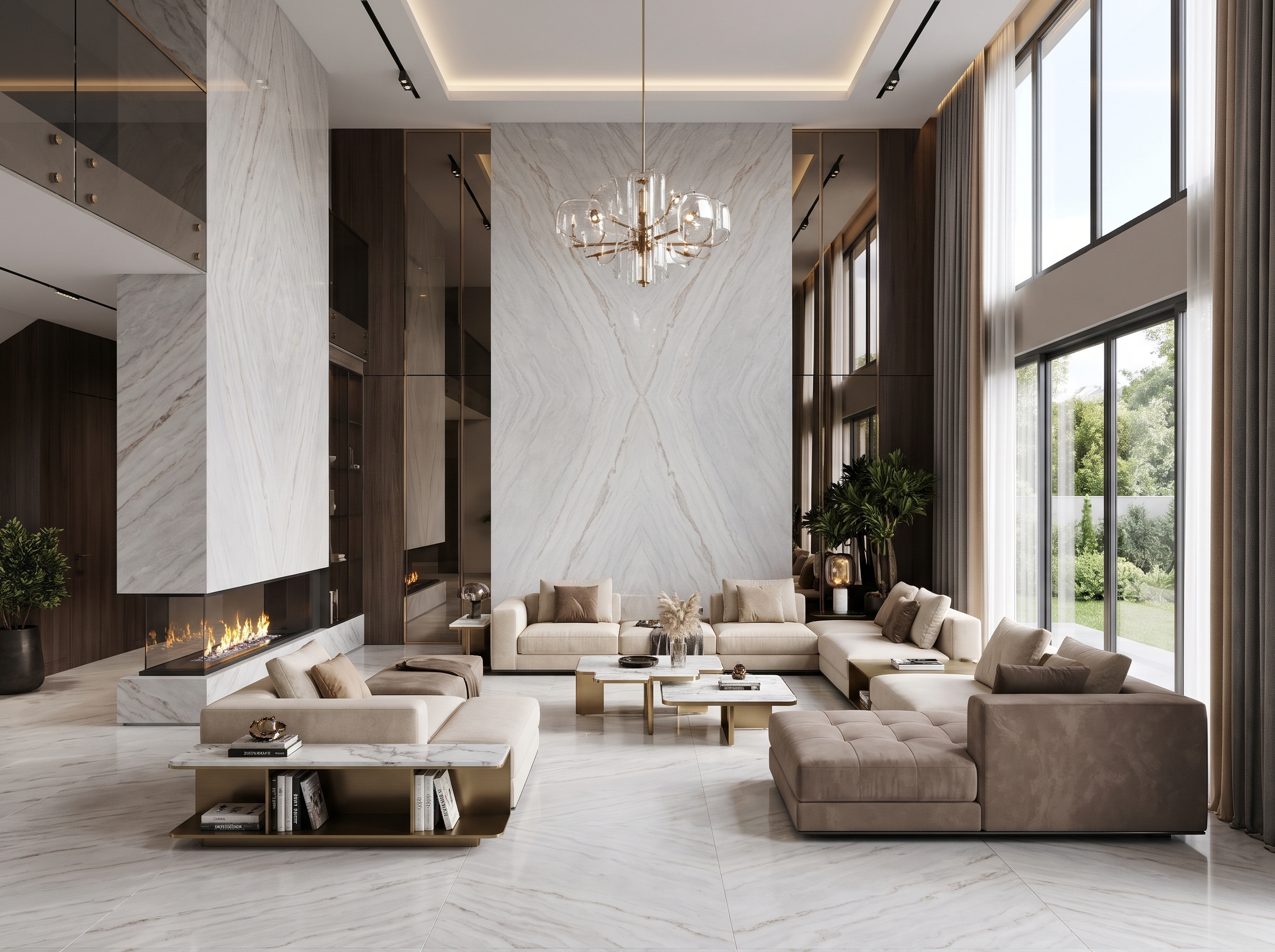
Leather Finish marble can be an attractive decorative option for interior wall cladding.
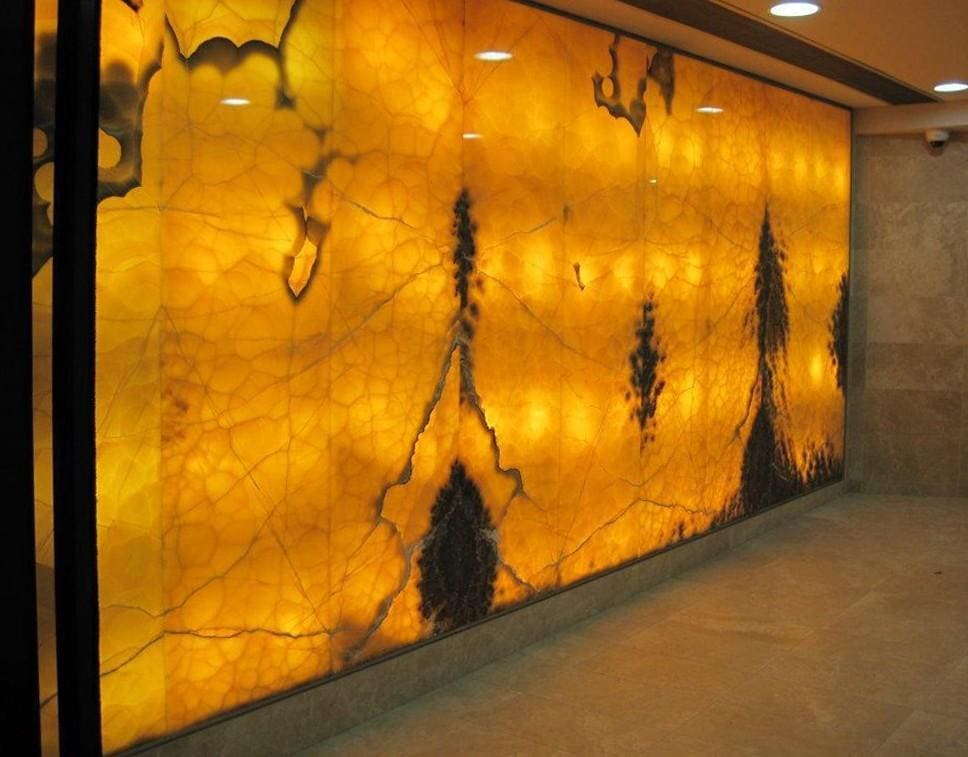
It is particularly suitable for highlighting natural stone textures in hotel lobbies, reception areas, living spaces and commercial interiors.
4. Flooring
Certain Leather Finish natural stones can be used for flooring applications.
However, a textured surface does not automatically guarantee slip resistance. Slip resistance, the characteristics of the surface treatment and the technical requirements of the intended application should be evaluated.
5. Furniture and Decorative Designs
Leather Finish marble can be used in furniture and bespoke interior design applications, including:
-
Dining and coffee table tops
-
Reception counters
-
Decorative furniture surfaces
-
Custom-designed furniture elements
Its natural texture gives furniture a distinctive visual and tactile character.
6. Hotels and Commercial Projects
Leather Finish surfaces can be incorporated into hotels, restaurants, retail spaces and offices for decorative purposes.
The unique texture of natural stone can add character and individuality to commercial interiors.
Can Leather Finish Be Applied to Every Natural Stone?
No. Leather Finish does not produce the same results on every type of natural stone.
The mineral composition, hardness, crystal grain size, natural veining and structural integrity of the material all influence the outcome of the finishing process.
For example:
-
Marble can develop soft, textured surface variations depending on its mineral composition.
-
Granite may require different abrasive equipment because of its hard mineral structure.
-
The high hardness of quartzite can make the surface-finishing process more challenging.
-
Certain porous natural stones may produce different results depending on their texture and pore distribution.
For this reason, the suitability of each stone should be evaluated before applying Leather Finish. Whenever possible, a sample surface should be prepared and inspected before full-scale production.
How to Maintain Leather Finish Marble
Proper cleaning and maintenance are essential for preserving the appearance of Leather Finish marble over time.
The following recommendations should be considered:
-
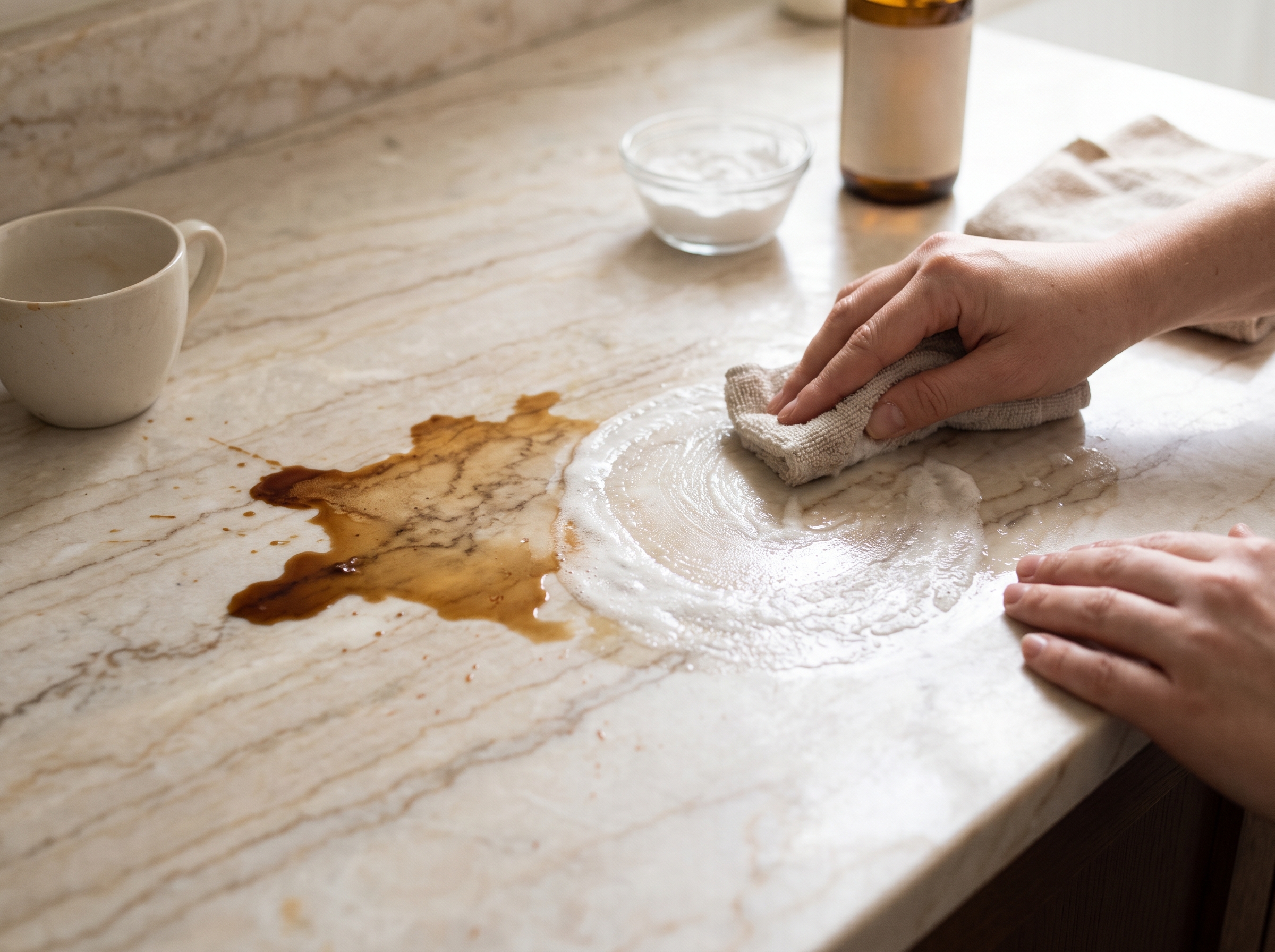
Use pH-neutral cleaning products specifically designed for natural stone.
-
Avoid acidic cleaning agents.
-
Do not use harsh brushes or abrasive cleaning materials.
-
Avoid leaving oil, coffee and other staining substances on the surface for extended periods.
-
Select protective products suitable for the stone's mineral composition and intended application.
-
Clean surfaces regularly to prevent dirt accumulation.
Due to their textured structure, Leather Finish surfaces may sometimes allow dirt and residue to accumulate in small surface depressions. Therefore, cleaning methods should be selected according to the specific texture of the stone.
Sealing requirements also vary between different natural stones. Consulting a natural stone specialist is recommended when selecting suitable protective products.
What Should You Consider When Choosing Leather Finish Marble?
When selecting Leather Finish marble for an architectural project, it is important to evaluate not only its colour and appearance but also its technical characteristics.
The following factors should be considered:
1. Type of stone: Marble, granite, quartzite and other natural stones react differently to surface treatments.
2. Texture intensity: The final texture depends on the equipment used and the physical structure of the stone.
3. Colour and veining: The colour consistency and vein patterns of different slabs should be evaluated together, especially for large-scale applications.
4. Intended application: Countertops, flooring, wall cladding and bathroom surfaces have different technical requirements.
5. Cleaning and maintenance: The surface texture and mineral composition influence cleaning and protection requirements.
6. Sample inspection: Reviewing a sample surface before final production is important to ensure that the desired texture and appearance are achieved.
The Importance of Natural Stone Surface Finishes in Architecture
Even when the same natural stone is used, different surface treatments can create completely different design characteristics.
Polished surfaces offer a luxurious and classic appearance, while honed surfaces create a more understated and minimalist effect. Leather Finish, on the other hand, highlights the natural texture and distinctive character of the stone.
For this reason, surface finishing is not merely an aesthetic choice. It is also an important decision related to the intended application and overall architectural concept.
The right combination of natural stone and surface finish helps achieve visual harmony and suitable performance in architectural projects.
Frequently Asked Questions About Leather Finish Marble
What is Leather Finish marble?
Leather Finish marble is natural stone treated through specialised mechanical processes to achieve a slightly textured, tactile and generally low-sheen surface. The treatment highlights the natural veins and texture of the stone.
What is the difference between Leather Finish and Honed Finish?
Leather Finish provides a slightly textured and tactile surface, whereas Honed Finish creates a flatter, smoother and matte appearance.
What is the difference between Leather Finish and Polished Finish?
Polished Finish creates a glossy surface that reflects a significant amount of light. Leather Finish, in contrast, offers a more matte, textured and natural appearance.
Is Leather Finish marble slippery?
Leather Finish surfaces can be more textured than polished surfaces. However, this characteristic alone does not guarantee slip resistance. Actual slip resistance depends on the stone type, surface treatment and relevant test results.
Can Leather Finish marble be used for kitchen countertops?
Yes. However, the sensitivity of marble to acidic substances and the maintenance requirements of Leather Finish surfaces should be considered. Selecting a stone suitable for the intended application is essential.
Is Leather Finish marble difficult to maintain?
Maintenance requirements depend on the mineral composition of the stone and the depth of its surface texture. Regular cleaning with suitable natural stone cleaners helps prevent dirt accumulation.
Is Leather Finish only available for marble?
No. Similar textured surface treatments can also be applied to granite, quartzite and certain other natural stones. However, the final appearance varies according to the physical properties of each material.
Is Leather Finish marble glossy?
Leather Finish generally has a low-sheen or satin-like appearance. It is less reflective than polished marble and highlights the natural texture of the stone.
Conclusion
Leather Finish marble is a distinctive surface treatment that combines the natural beauty of stone with a unique textured appearance. Its slightly rough texture, low-sheen finish and ability to highlight natural veining make it an increasingly attractive option in contemporary architecture and interior design.
From kitchen countertops and bathroom surfaces to wall cladding and bespoke furniture, Leather Finish natural stones can add individuality and character to a wide range of projects.
With the right stone selection, appropriate surface treatment and professional installation, the aesthetic and functional qualities of natural stone can be fully appreciated.
At Biser Marble, we bring the distinctive colours, veining and surface characteristics of natural stones into a variety of architectural projects. Explore our products and contact our team to discover natural stone solutions for your next project.