The Use of Marble in Restaurant Design: Natural Stone for Elegant and Functional Spaces
Restaurant design involves much more than choosing tables, chairs and lighting. The materials used throughout the space play an essential role in defining its atmosphere and architectural identity. Flooring, wall cladding, bar counters, tabletops and reception areas all contribute to the overall customer experience.
Among natural stone materials, marble is widely appreciated in restaurant projects for its distinctive veining, colour variations and timeless appearance. It can complement a variety of interior styles, including modern, classic, luxurious and minimalist designs.
Using marble in restaurant interiors introduces natural character and visual sophistication. However, restaurants are high-traffic commercial environments, so material selection should consider more than appearance. Durability, surface characteristics, cleaning requirements and long-term maintenance should also be evaluated.
Where can marble be used in restaurant design? What should you consider when selecting marble for a restaurant? How can marble complement different restaurant concepts?
This guide explores the use of marble in restaurant architecture, including design ideas, material selection, surface finishes and maintenance recommendations.
Why Choose Marble for Restaurant Design?
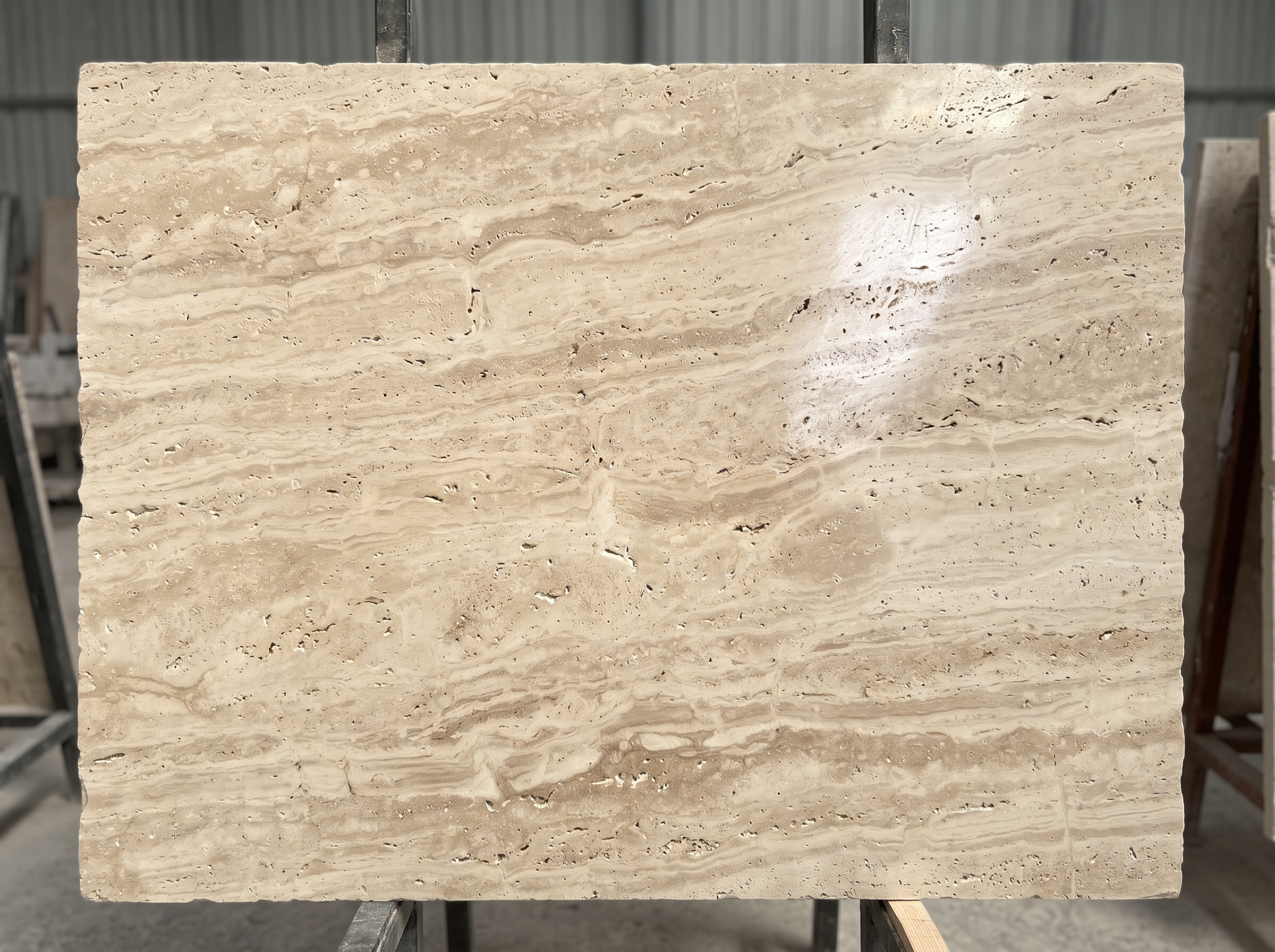
Marble is a natural stone formed through geological processes. Each slab can feature different colours, veins and patterns, making it possible to create distinctive interiors rather than repetitive, uniform surfaces.
The main reasons for choosing marble in restaurant design include:
-
Unique natural appearance: Every marble slab has its own veining and colour distribution.
-
Timeless aesthetics: Marble can complement different architectural periods and interior design styles.
-
Colour and pattern variety: A wide range of light, dark, grey and other natural colour tones is available.
-
Versatile applications: Marble can be used for floors, walls, tables, bar counters and reception desks.
-
Design consistency: Using the same marble across different surfaces can create visual continuity throughout a restaurant.
-
Different surface finishes: Polished, honed and textured finishes offer flexibility for different design requirements.
The natural patterns of marble can strengthen a restaurant's architectural identity, particularly when used on large and prominent surfaces.
Where Can Marble Be Used in Restaurants?
Marble can be incorporated into different areas of a restaurant for both decorative and functional purposes. The intended application, expected traffic and cleaning conditions should be considered when selecting the stone.
1. Marble Flooring in Restaurants
Marble flooring is one of the architectural elements that can define the overall appearance of a restaurant. Its natural veining and colour variations can create a distinctive atmosphere, particularly across large interior spaces.
Light-coloured marble can contribute to a brighter and more spacious appearance, while darker tones can create a stronger and more dramatic design effect.
When selecting marble for restaurant flooring, the following factors should be evaluated:
-
Suitability for the expected traffic level
-
Abrasion and scratching behaviour
-
Stain resistance and liquid absorption
-
Cleaning and maintenance requirements of the surface finish
-
Slip resistance and floor safety
-
Compatibility of slab or tile dimensions with the design
Surface finish and maintenance planning are particularly important in entrances, service areas and high-traffic zones. A polished finish should not automatically be considered suitable for every flooring application. Slip performance must be evaluated according to the specific project conditions.
2. Marble Wall Cladding
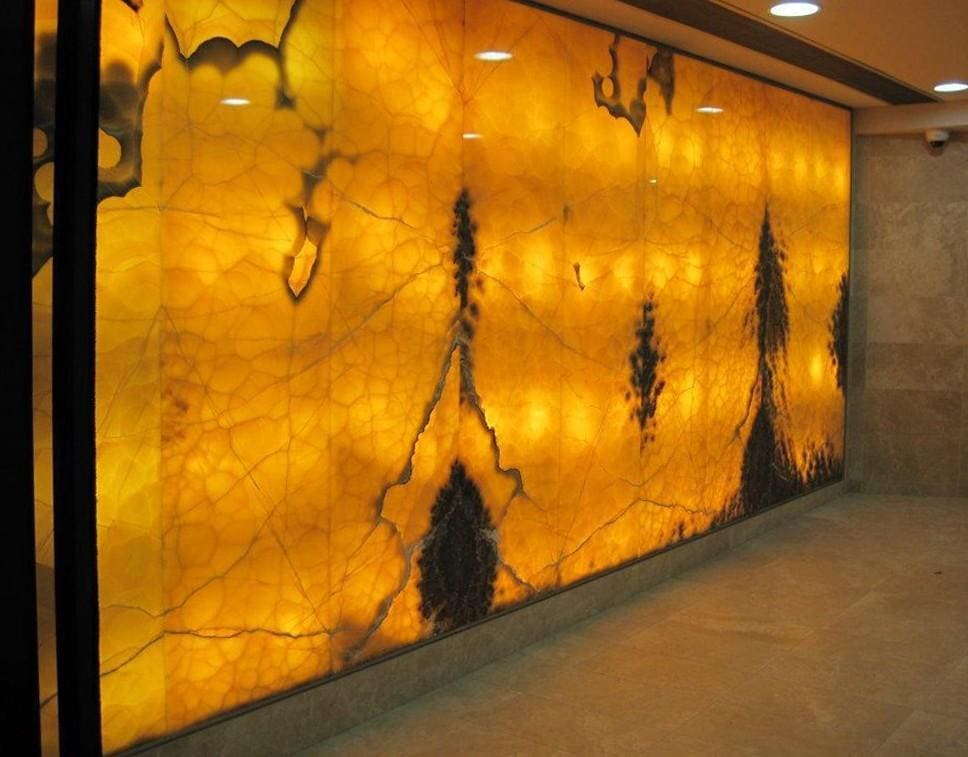
Marble wall cladding can create a strong architectural and decorative impact in restaurant interiors. It can be used in entrance areas, main dining rooms, private dining spaces and feature walls.
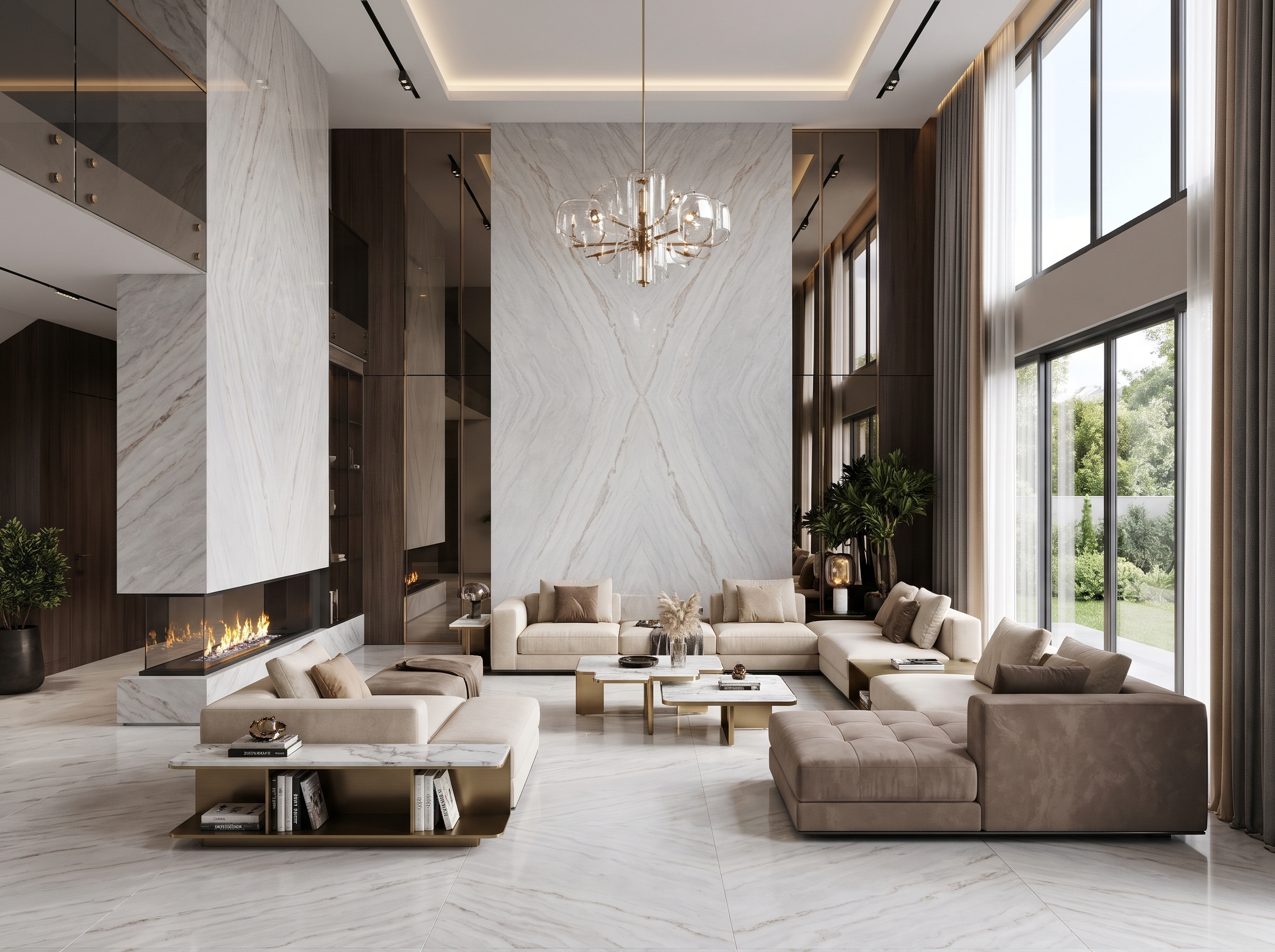
Large-format marble slabs can reduce the number of visible joints and create a more continuous appearance. For stones with distinctive veining, the direction and arrangement of the slabs become important design considerations.
Popular marble wall applications include:
-
Full-height marble wall cladding
-
Decorative marble panels
-
Marble niches and wall details
-
Feature walls behind reception desks
-
Combinations of marble and wood
For wall cladding, slab weight, supporting structures, mechanical or suitable adhesive fixing systems and installation details should be assessed by the project team.
3. Marble Bar and Service Counters
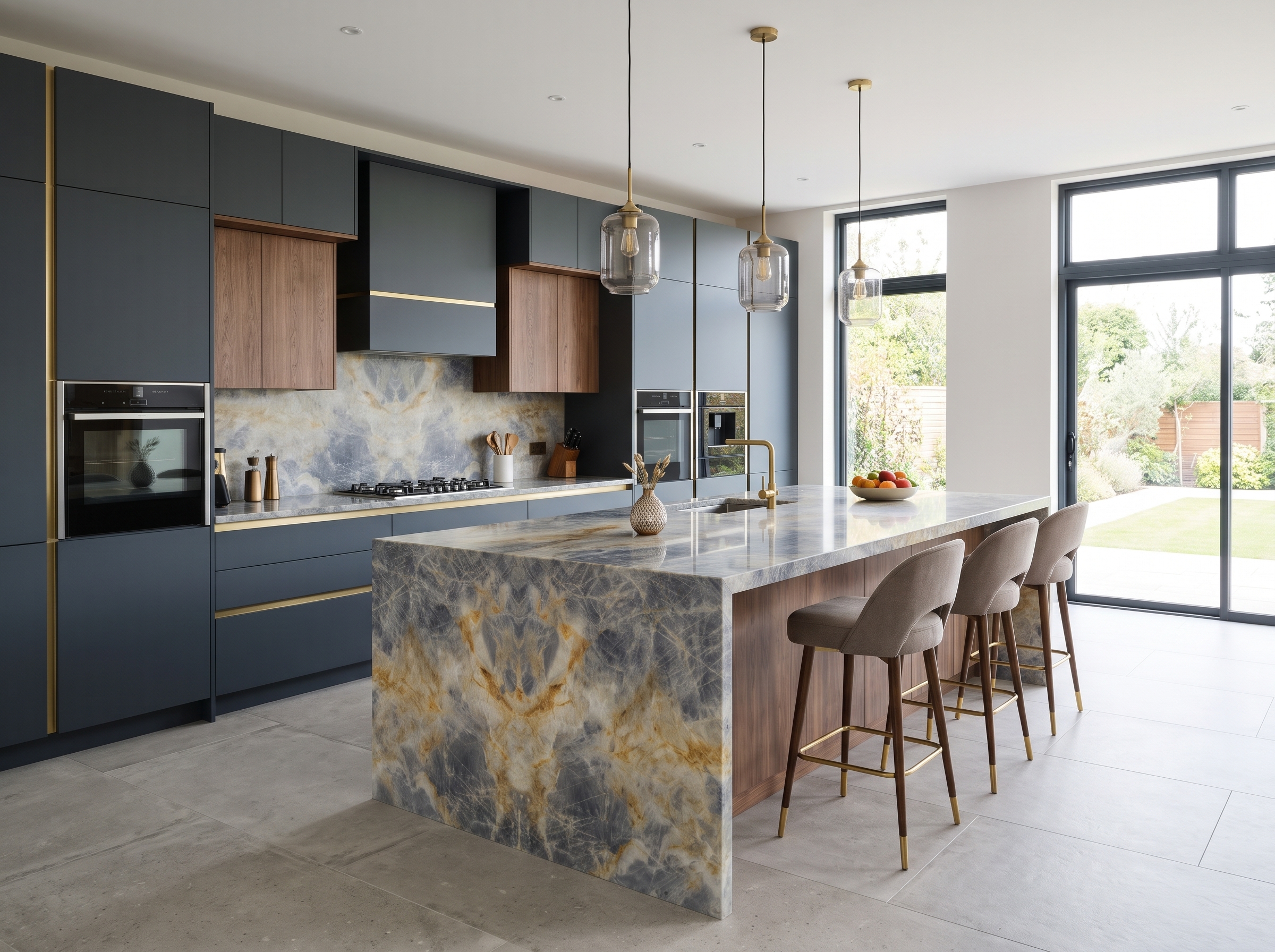
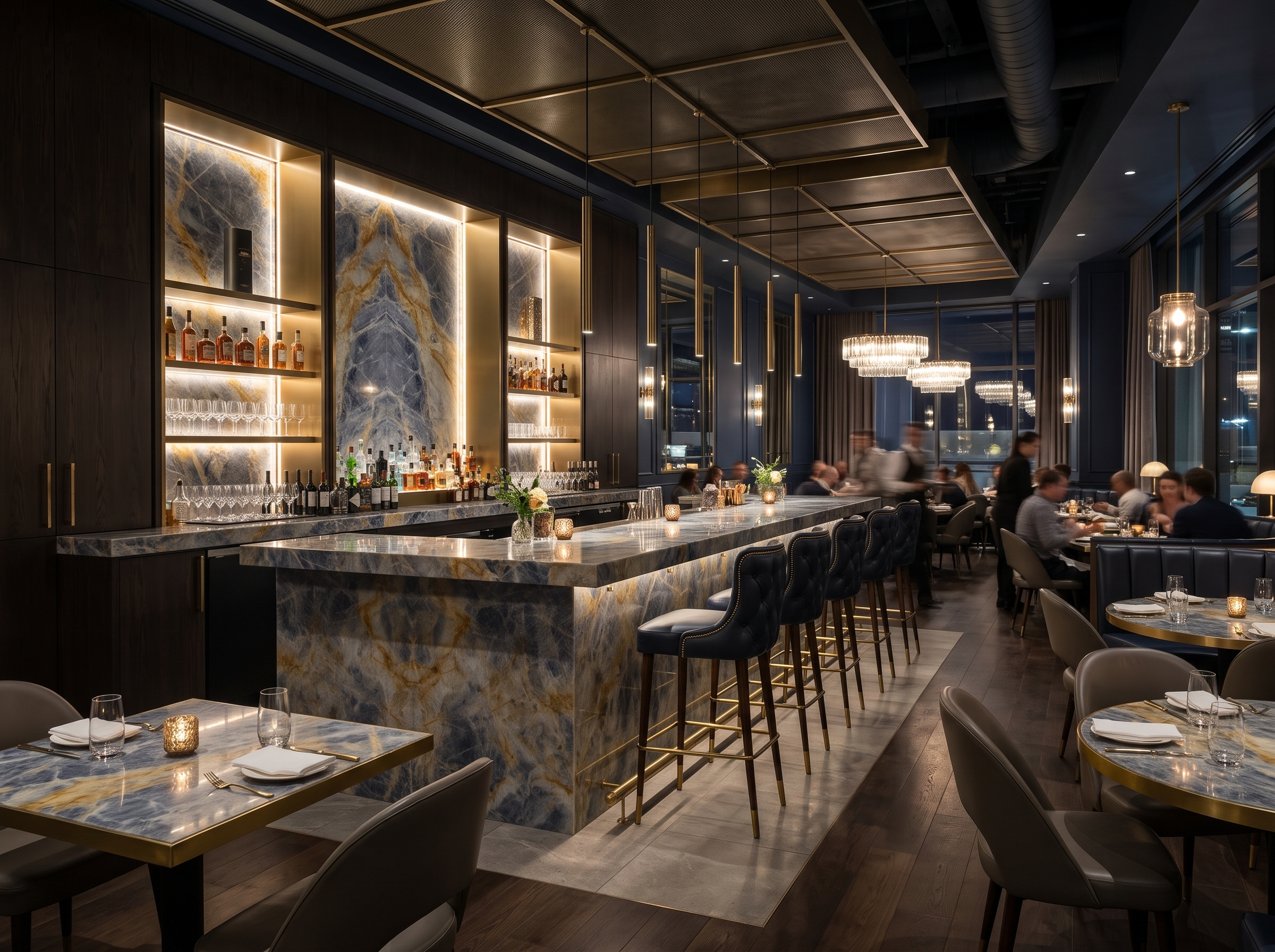
Bar counters are among the most visually prominent and functional areas in restaurant interiors. Marble can be used on countertop surfaces or front panels to introduce a distinctive natural stone appearance.
Marble with pronounced veining can turn the bar into one of the restaurant's main design features.
When using marble for bar counters, consider the following:
-
Potential staining from beverages and food
-
Contact with acidic liquids
-
Daily cleaning frequency
-
Edge profiles and corner details
-
Countertop support structures
-
Requirements for protective treatments
Acidic substances such as lemon juice, vinegar and certain beverages can cause dulling or etching on marble surfaces. Appropriate material selection and maintenance are therefore particularly important in busy bar areas.
4. Marble Restaurant Tables and Tabletops
Marble tabletops can introduce a natural and elegant appearance into restaurant interiors. They can be used for small two-person tables, larger dining tables and communal dining surfaces.
The natural veining of marble gives each tabletop a distinctive character. Different base designs and materials can also be combined with marble to create a variety of interior styles.
The following details should be considered when selecting marble for tabletops:
-
Table dimensions and slab thickness
-
Supporting legs and connection systems
-
Edge finishing options
-
Surface finish
-
Staining and acid sensitivity
-
Cleaning and maintenance requirements
Since restaurant tables frequently come into contact with food and beverages, the natural characteristics of marble should be taken into account. Using coasters and suitable cleaning products can help protect the surface.
5. Reception Desks and Entrance Areas
The entrance is where customers form their first impression of a restaurant. Marble reception desks, welcome counters and decorative panels can become prominent design elements in this area.
Marble with distinctive veining can create an attractive contrast when combined with simple furniture and understated interior details.
Slab pattern arrangement, edge details and lighting should be planned together to achieve the desired appearance.
6. Marble Stairs and Transition Areas
In multi-level restaurants, marble stairs can help establish architectural consistency between different floors. Using the same natural stone for treads, risers, landings and wall details can create a coordinated design.
Safety is just as important as appearance in staircases and transition areas. Surface finish, step dimensions, edge details and slip resistance should be selected according to the intended use and applicable project requirements.
Choosing Marble According to Restaurant Concepts
The variety of marble colours and patterns makes it possible to create designs for different restaurant concepts. The intended atmosphere, furniture, lighting and other building materials should all be considered during the selection process.
Luxury and Fine Dining Restaurants
Fine dining restaurants often aim to create a refined, balanced and sophisticated atmosphere. Marble is one of the natural materials that can support this design approach.
Marble with distinctive veining can be used for bar counters, wall panels, tabletops and reception areas. It can also be combined with metallic details, carefully designed lighting and high-quality wood surfaces.
Modern and Minimalist Restaurants
Modern restaurant interiors often feature clean lines, balanced colours and simple material combinations.
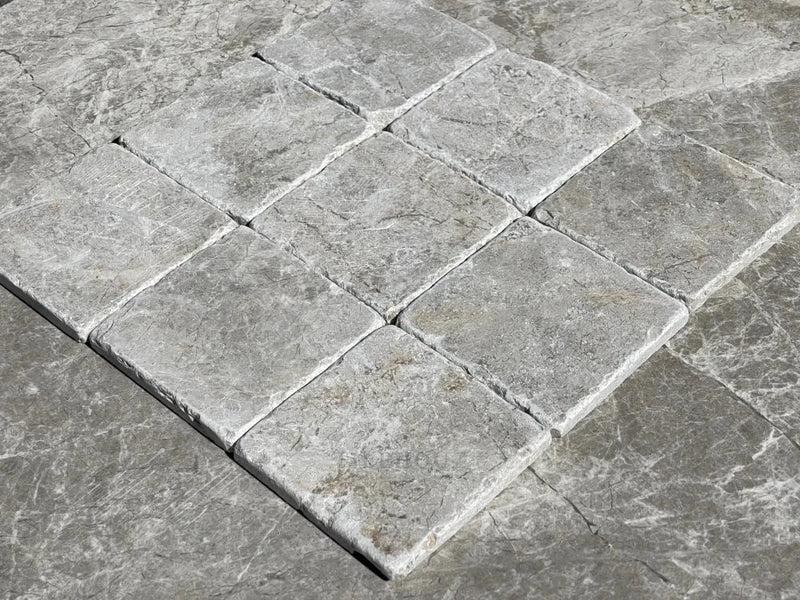
Grey or light-coloured marble with subtle veining can complement minimalist furniture, glass and metal details. Honed surfaces can also be considered for projects seeking a matte and understated appearance.
Classic Restaurants
Classic restaurant interiors often feature decorative details, traditional furniture and rich material combinations.
Distinctive marble veining and decorative edge profiles can complement traditional design concepts. Wall panels, tabletops, staircases and column details are among the possible applications.
Industrial-Style Restaurants
Industrial restaurant interiors often combine concrete, metal, wood and natural stone.
Grey and dark marble can create contrast with metallic surfaces and raw-textured materials. This combination can contribute to a contemporary and distinctive atmosphere.
Mediterranean and Nature-Inspired Restaurants
Mediterranean-inspired restaurants often feature light colours, natural textures, wood and stone materials.
Light-coloured marble can be combined with warm colour palettes and natural lighting to create bright and welcoming interiors.
Which Marble Surface Finish Is Suitable for Restaurant Design?
The surface finish of marble influences both its appearance and its performance in different applications. Polished, honed and textured finishes can serve different design requirements.
Polished Marble
Polished marble features a glossy, reflective surface that can enhance the visibility of natural veins and colour variations.
It can be considered for bar counters, wall cladding, decorative panels and tabletops.
Honed Marble
Honed marble has a matte or low-sheen appearance, creating a more understated and natural look.
It can be suitable for modern restaurant interiors, tabletops and certain wall applications. However, a matte surface should not automatically be assumed to offer better stain resistance or easier maintenance. Performance depends on the stone itself and the conditions of use.
Textured Marble Surfaces
Textured finishes, such as brushed or leather finish, can highlight the natural character of marble through a more tactile surface.
These finishes can be considered for decorative walls, bar front panels and design-focused areas. When used for flooring, cleanability and slip performance should be assessed separately.
|
Surface finish |
Appearance |
Potential applications |
|---|---|---|
|
Polished |
Glossy and reflective |
Bars, tabletops, decorative walls |
|
Honed |
Matte and understated |
Modern interiors, tables and walls |
|
Brushed |
Lightly textured |
Feature panels and special design areas |
|
Leather finish |
Natural and tactile |
Bar fronts, walls and decorative applications |
Combining Marble with Other Materials in Restaurant Interiors
Marble can be combined with different materials to create a wide range of interior styles. These combinations play an important role in defining the atmosphere of a restaurant.
Marble and Wood
Combining the natural veining of marble with the warm texture of wood can create a balanced and welcoming appearance. This combination can be used for tabletops, bar details and wall panels.
Marble and Metal
Brass, bronze, stainless steel and black metal details can complement marble surfaces. These materials can work particularly well together in bar counters, table bases, lighting fixtures and decorative elements.
Marble and Glass
Glass offers a lighter and more contemporary appearance that can complement the natural patterns of marble. The materials can be combined in partitions, lighting elements and display areas.
Marble and Concrete
The understated industrial appearance of concrete can contrast with the natural veining of marble. This combination can be particularly suitable for modern and industrial restaurant concepts.
What Should You Consider When Selecting Marble for Restaurants?
Restaurants are commercial environments with frequent use, so selecting marble based solely on appearance is not sufficient.
The following criteria should be evaluated:
-
Application: Determine whether the marble will be used for flooring, walls, tables or bar counters.
-
Traffic intensity: Consider daily customer traffic, service frequency and cleaning conditions.
-
Physical properties: Evaluate porosity, water absorption, hardness and abrasion behaviour.
-
Surface finish: Select polished, honed or textured finishes according to the intended application.
-
Colour and veining: Assess how the slab complements the overall design concept.
-
Slab dimensions: Plan slab selection and cutting according to the dimensions of the project.
-
Installation details: Determine the supporting structure, fixing systems, joints and installation methods.
-
Maintenance planning: Consider cleaning products, protective treatments and periodic maintenance requirements.
For large restaurant projects, inspecting the selected marble slabs before installation is particularly important. Vein continuity and cutting layouts should be planned in advance to achieve the intended visual result.
Advantages and Considerations of Using Marble in Restaurant Design
Marble offers several aesthetic advantages for restaurant interiors. However, its natural characteristics should also be considered during material selection.
|
Advantages |
Considerations |
|---|---|
|
Unique veining in every slab |
Natural pattern differences between slabs |
|
Timeless and natural appearance |
Sensitivity to acidic substances |
|
Different colours and surface finishes |
Porosity varies by stone type |
|
Suitable for various architectural applications |
Scratching and wear under intensive use |
|
Complements other materials |
Requires appropriate maintenance |
The suitability of marble depends on the intended application and the technical characteristics of the selected stone. Appropriate surface selection and maintenance planning are particularly important in areas with frequent service activity.
How Should Marble Be Cleaned and Maintained in Restaurants?
Marble surfaces in restaurants may come into regular contact with food, beverages, oils and cleaning products. Maintenance procedures should therefore be adapted to the natural characteristics of the stone.
The following recommendations can help protect marble surfaces:
-
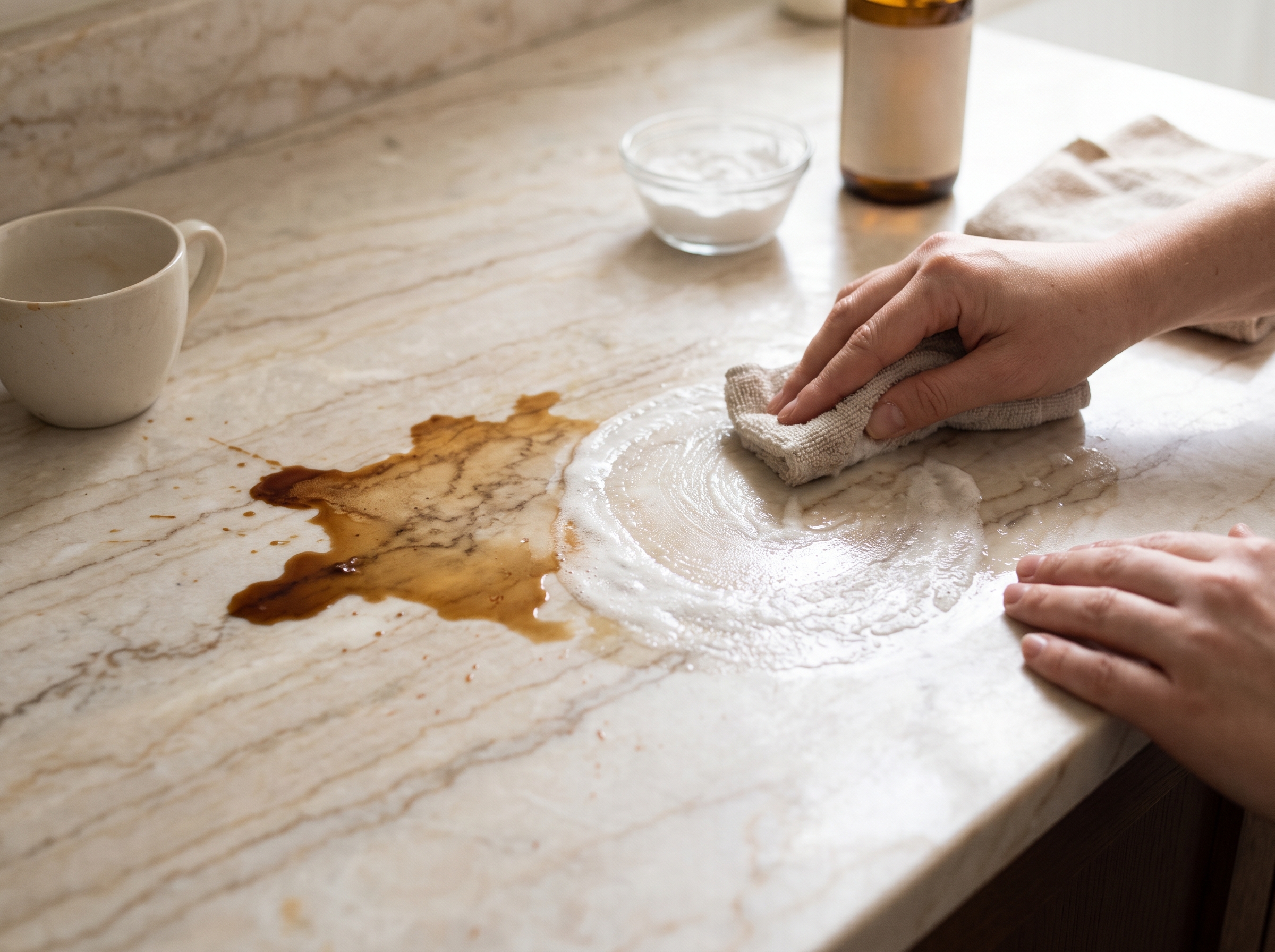
Use pH-neutral cleaners suitable for natural stone during routine cleaning.
-
Do not leave lemon juice, vinegar or other acidic substances on the surface for extended periods.
-
Clean spills of coffee, wine, oil and coloured liquids as soon as possible.
-
Avoid abrasive sponges and harsh chemicals.
-
Use suitable coasters and protective accessories on tables and bar counters.
-
Evaluate the need for protective treatments according to the stone's porosity and intended use.
-
Establish a regular cleaning and inspection schedule for heavily used areas.
Protective treatments can help reduce liquid absorption, but they do not make marble completely stain-proof or resistant to acids. Products should be selected according to the stone type and surface finish.
Why Is Marble Selection Important in Restaurant Projects?
Material selection in restaurant projects is important not only for completing the interior design but also for supporting the long-term performance of the space.
It is beneficial for architects, interior designers, project managers, natural stone suppliers and installation teams to work together during the selection process.
The following stages should be planned, particularly in large-scale projects:
-
Selecting a marble variety that suits the architectural concept
-
Reviewing slab colours and veining patterns
-
Choosing the appropriate surface finish for each application
-
Preparing cutting and slab layout plans
-
Defining edge finishing and installation details
-
Obtaining sample and installation approvals
-
Establishing cleaning and maintenance procedures
Managing these stages carefully helps ensure that natural stone is used in a way that meets both design expectations and practical requirements.
Frequently Asked Questions About Marble in Restaurant Design
Can marble be used in restaurants?
Yes. Marble can be used for restaurant flooring, wall cladding, bar counters, tabletops, reception desks and staircases. However, the physical properties and surface finish of the stone should be evaluated separately for each application.
Is marble suitable for restaurant bar counters?
Marble can create an impressive appearance on bar counters. However, exposure to beverages, acidic liquids and frequent cleaning may increase the risk of staining and surface etching. Appropriate stone selection and maintenance planning are important.
Can marble be used for restaurant flooring?
Yes. Marble can be used as a flooring material in restaurants. However, slip resistance, abrasion behaviour, surface finish and maintenance requirements should be evaluated according to the project conditions.
Which marble colour is best for restaurant interiors?
White, grey, dark and other natural marble colours can all be considered. The best choice depends on the restaurant concept, furniture, lighting and other materials used in the interior.
Should restaurants use polished or honed marble?
Polished marble offers a glossy and reflective appearance, while honed marble provides a matte and understated finish. The selection should depend on the intended application and design requirements. Slip performance should be assessed separately for flooring applications.
Can marble restaurant tables develop stains?
Yes. Depending on its porosity and mineralogical composition, marble may develop stains from coffee, wine, oil and certain foods. Appropriate maintenance and protective treatments can help reduce staining risks.
Is marble expensive for restaurant design?
The cost of marble depends on the stone variety, slab characteristics, dimensions, surface finish, cutting and installation requirements. When preparing a project budget, material costs, fabrication, installation and maintenance should all be considered.
Conclusion
The use of marble in restaurant design is an architectural approach that brings the distinctive veining and timeless character of natural stone into commercial spaces. From flooring and wall cladding to bar counters and tabletops, marble can be incorporated into a variety of applications to complement the overall design identity of a restaurant.
However, selecting the right marble requires more than considering colour and appearance. Traffic intensity, physical properties, surface finish, installation details and maintenance requirements should all be evaluated together.
With appropriate material selection and fabrication, marble can contribute to successful restaurant projects that combine natural beauty with functional design.
Biser Marble offers natural stone selections with different colours, veining patterns and distinctive characteristics for restaurants, hotels and other commercial architectural projects.