Marble vs. Quartz: Which Material Is Best for Your Project?
Natural stone and engineered surfaces are frequently compared in modern architecture and interior design. One of the most common questions among architects, designers, and project developers is: Should I choose marble or quartz? Although these materials may appear similar at first glance, they differ significantly in their composition, performance, aesthetics, and ideal applications.
In this guide, we'll explore the key differences between marble and quartz, helping you select the right material for your next project. We'll also explain why the quality of the marble quarry plays a crucial role when choosing natural stone.
1. Natural Stone vs. Engineered Surface
The most fundamental difference lies in how the materials are created.
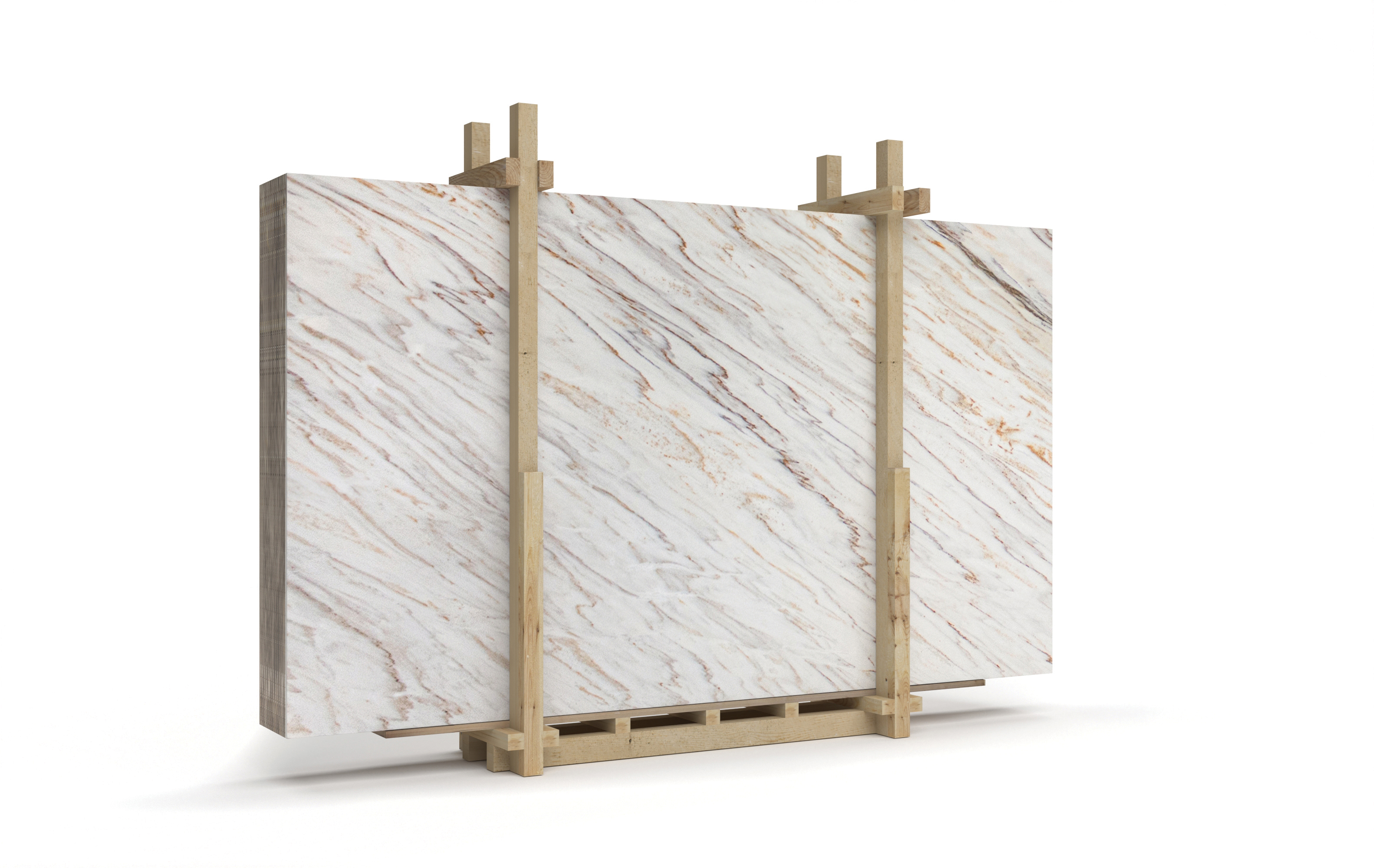
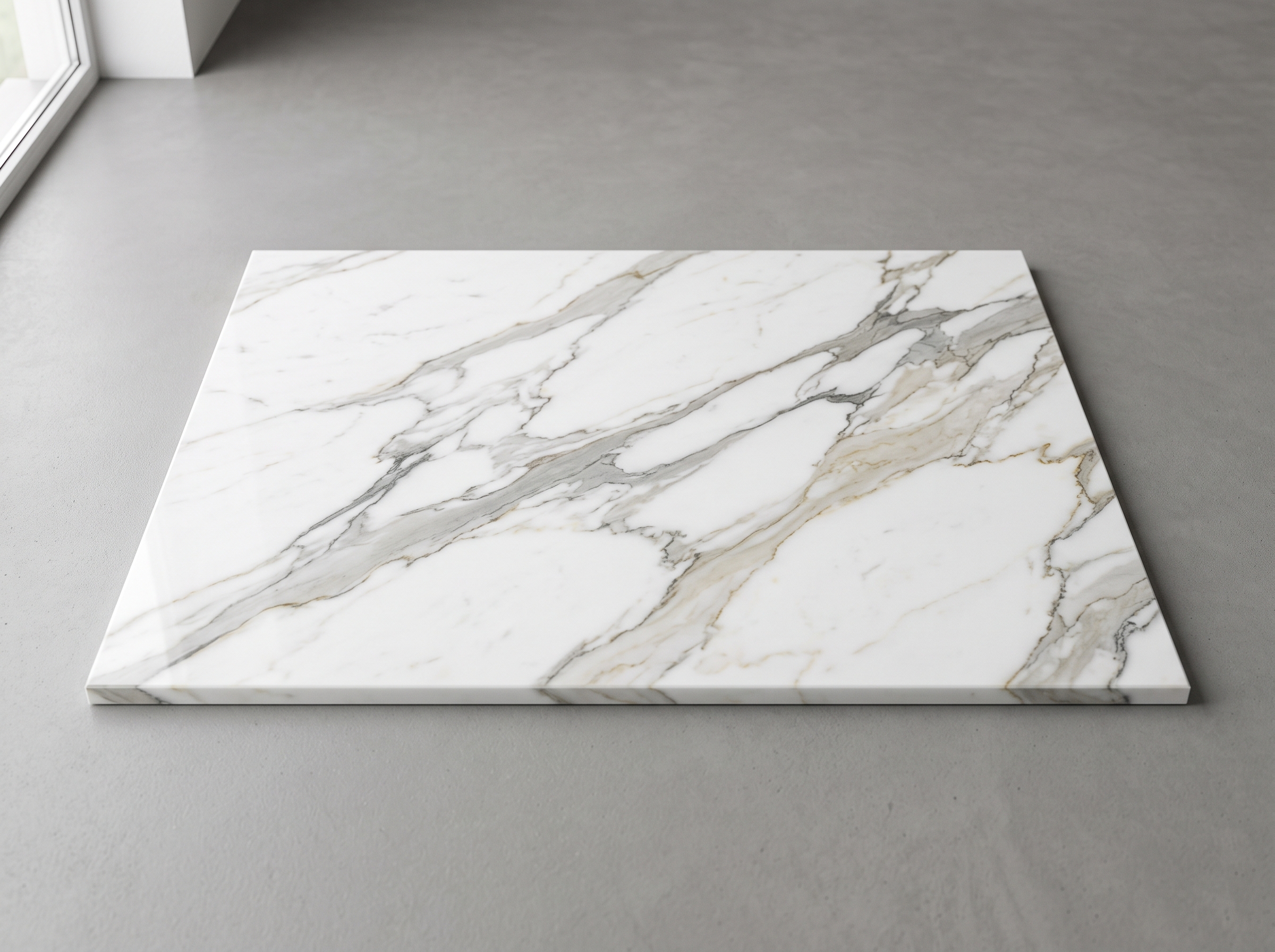
Marble is a completely natural stone formed over millions of years through intense heat and pressure beneath the earth's surface. Every marble block is unique, featuring distinctive veining, color variations, and natural textures that cannot be replicated.
Quartz surfaces, on the other hand, are engineered products typically manufactured by combining 90–95% natural quartz minerals with resins and pigments. This controlled manufacturing process produces highly consistent colors and patterns.
This difference in origin directly influences both appearance and performance.
2. Appearance and Aesthetic Differences
One of marble's greatest advantages is its natural beauty.
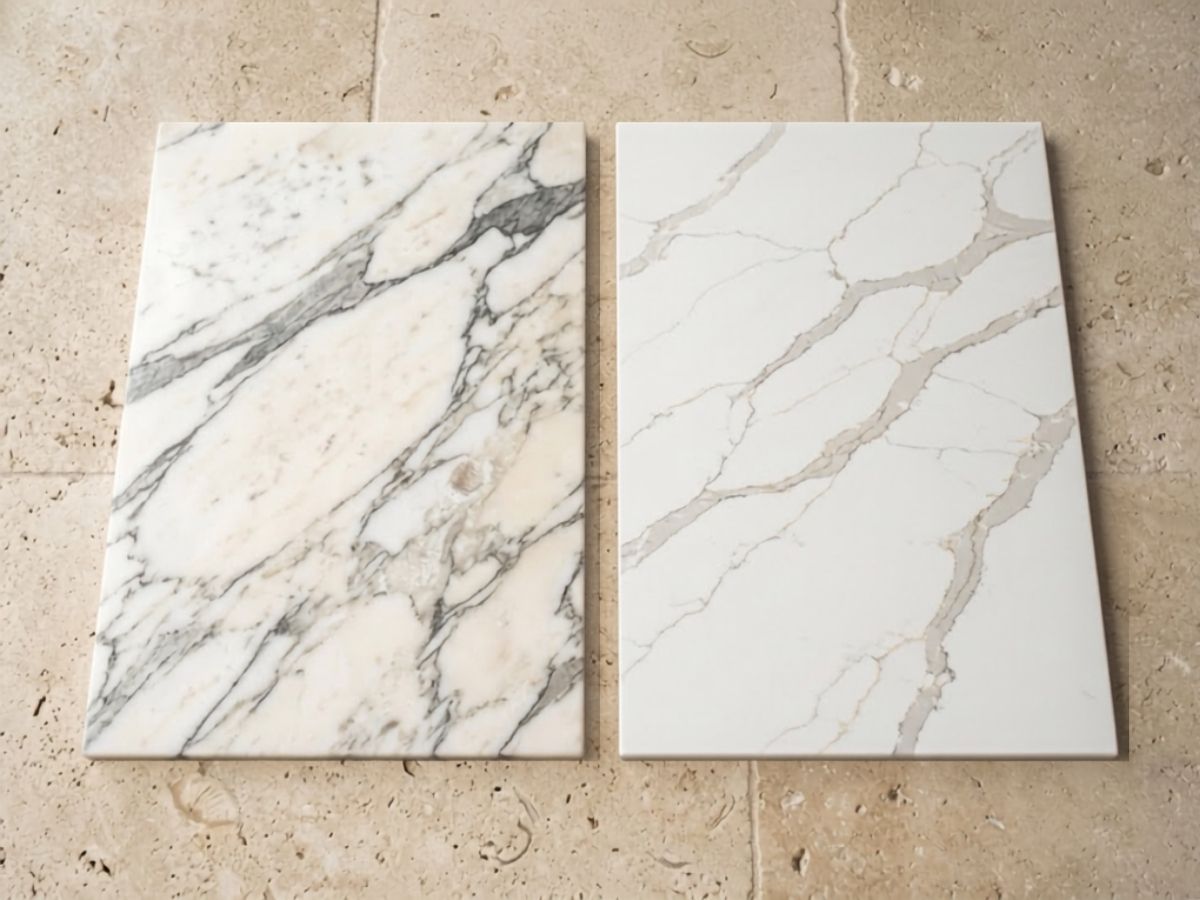
No two marble slabs are identical, making every installation truly unique. This individuality is one of the main reasons marble remains the preferred choice for luxury architecture and premium interior design.
Quartz surfaces offer a more uniform appearance because their colors and patterns are engineered during manufacturing.
Marble offers:
-
Unique natural veining
-
Distinctive character
-
Artistic, luxurious aesthetics
Quartz offers:
-
Uniform patterns
-
Consistent colors
-
Clean, contemporary appearance
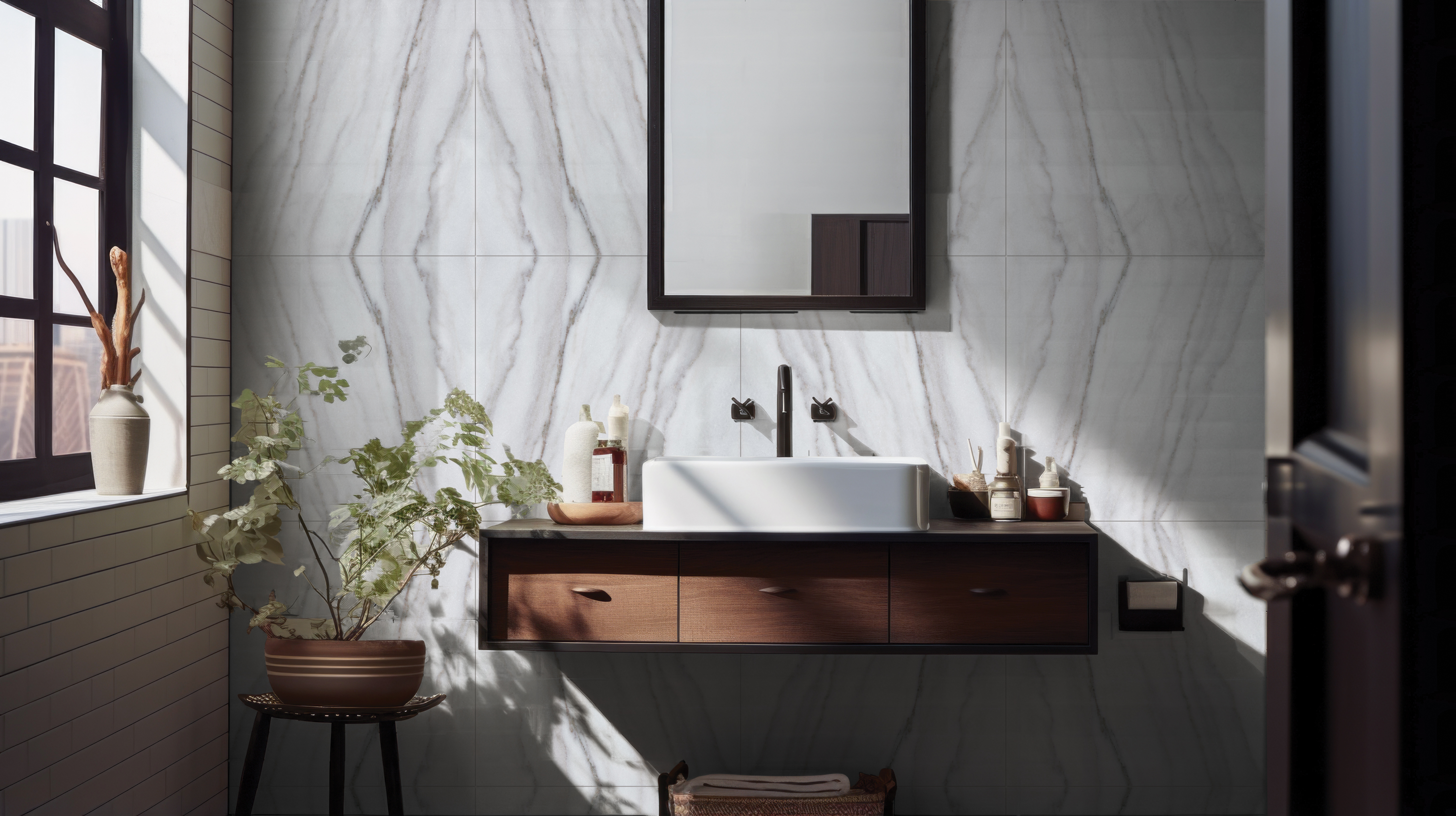
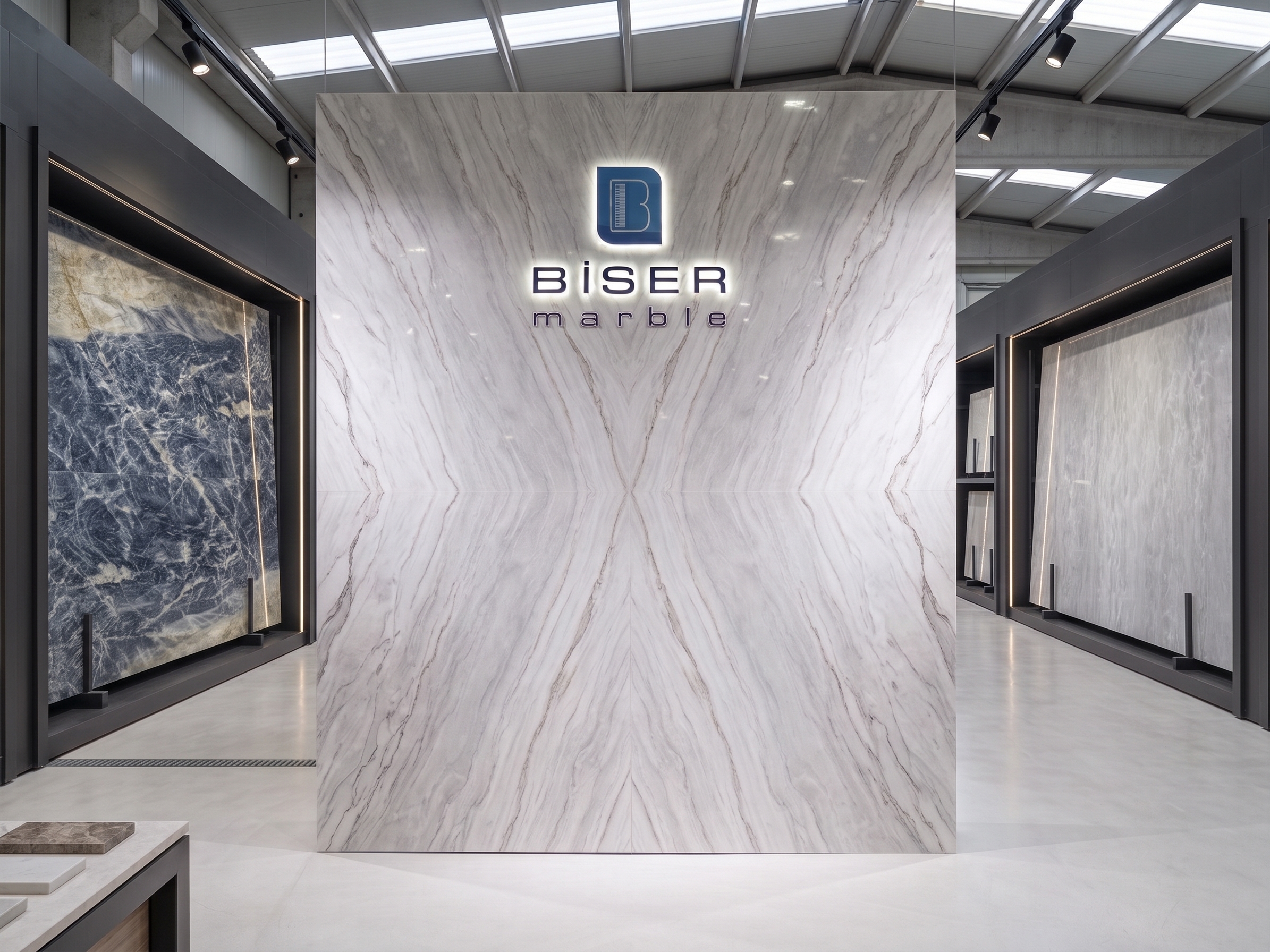
At Biser Marble, the marble blocks extracted from our own quarry feature striking natural veining that is ideal for bookmatched installations and high-end architectural projects seeking exceptional visual impact.
3. Durability and Recommended Applications
Quartz is highly resistant to stains and scratches thanks to its resin content. This makes it a practical choice for heavily used residential kitchen countertops.
Marble has a naturally porous structure and is more sensitive to acidic substances. However, when properly sealed and maintained, it can preserve its beauty for generations.
Recommended Applications
Quartz is ideal for:
-
Kitchen countertops
-
High-use residential work surfaces
Marble is ideal for:
-
Bathroom interiors
-
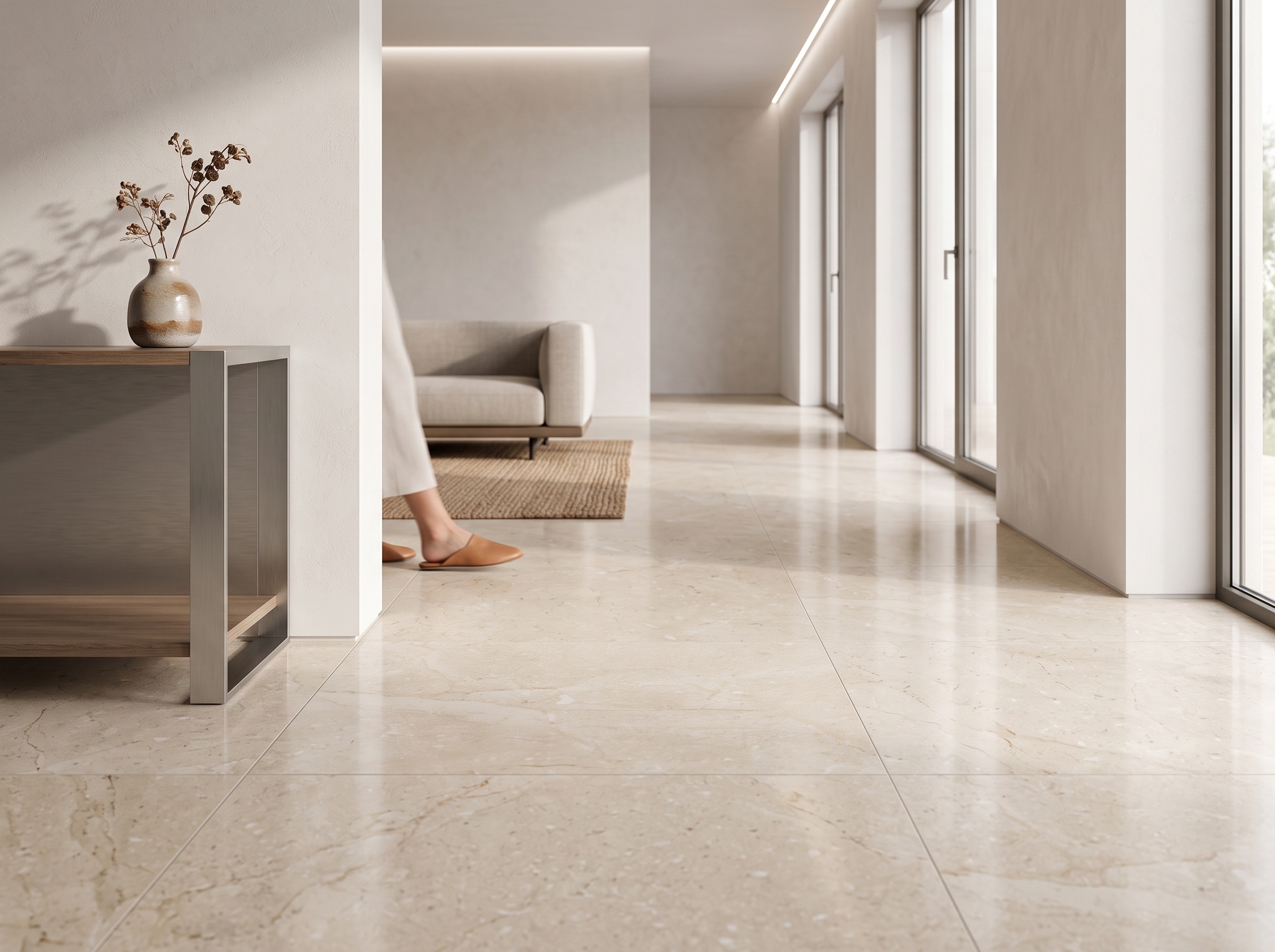
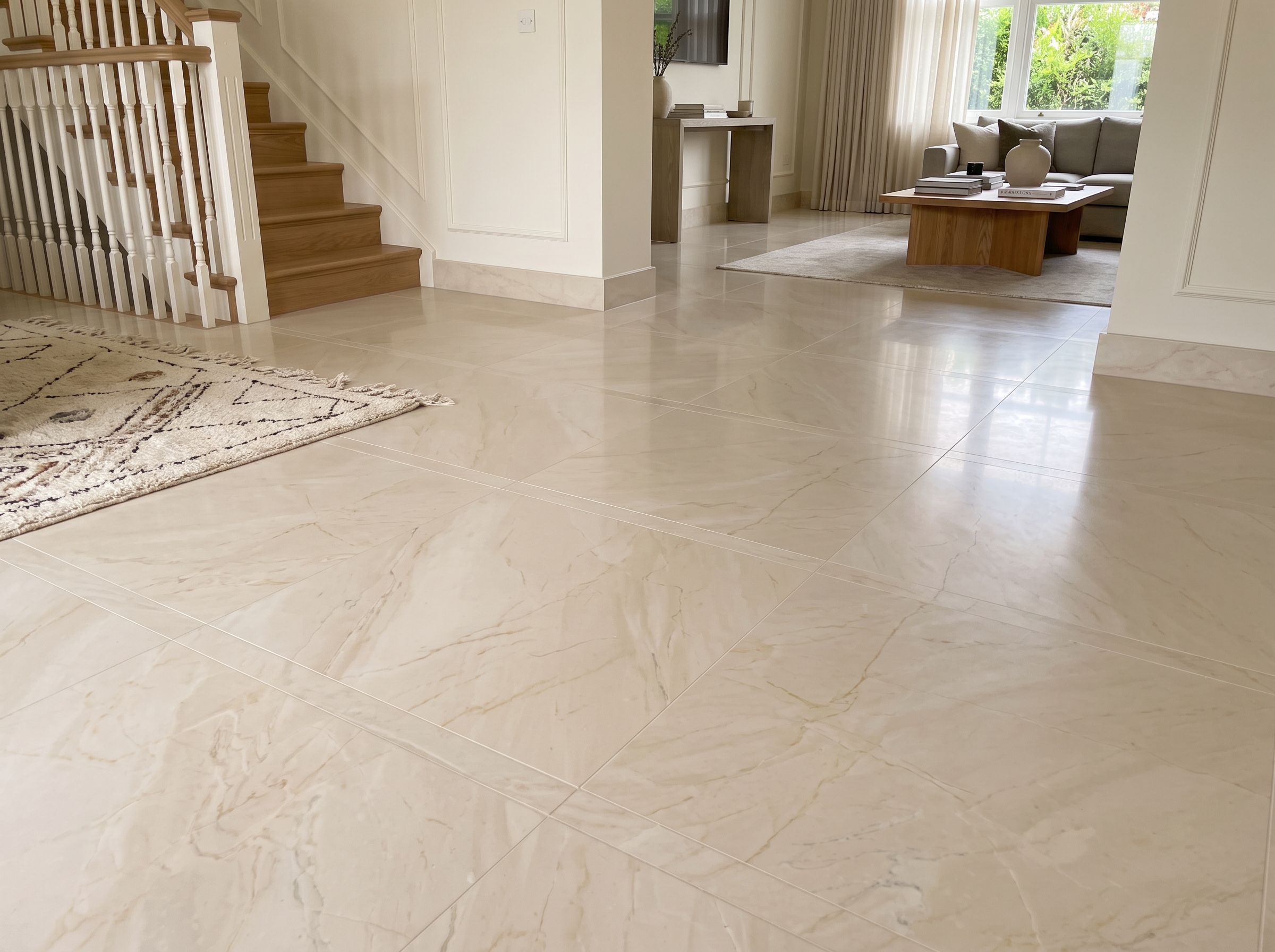
Flooring
-
Wall cladding
-
Hotel lobbies
-
Luxury villas
-
Reception areas
-
Commercial architectural projects
For projects where design and elegance are the highest priorities, marble remains the preferred material.
4. Heat Resistance and Natural Performance
As a natural stone, marble offers excellent resistance to high temperatures.
Unlike engineered quartz surfaces, marble is less affected by hot cookware or sudden temperature changes because it contains no synthetic resins.
Quartz surfaces, while durable for everyday use, may become damaged when exposed to excessive heat.
For projects where heat resistance is important, marble often provides a safer long-term solution.
5. Price and Project Considerations
Because quartz is manufactured through an industrial production process, pricing tends to be relatively stable and predictable.
The price of marble depends on several factors, including:
-
Quarry quality
-
Block rarity
-
Color and veining characteristics
-
Processing complexity
-
Slab size and selection
Manufacturers that own their own quarries can often provide more reliable long-term pricing and supply consistency.
6. Why the Marble Quarry Matters
When selecting marble, one of the most important considerations is where the stone originates.
The quality of a marble block is directly influenced by the geological characteristics of the quarry.
Manufacturers operating their own marble quarries can provide:
-
Better color consistency
-
Higher-quality block selection
-
Long-term supply continuity
-
Project-specific material selection
-
Greater production control
At Biser Marble, we extract natural stone from our own marble quarry in İzmir, allowing us to deliver premium marble with outstanding visual quality, reliable supply, and consistent performance for architectural projects worldwide.
Conclusion
The differences between marble and quartz primarily come down to their origin, appearance, durability, and intended applications.
Quartz offers consistency, practicality, and low maintenance, making it an excellent choice for many residential applications. Marble, however, stands apart for its natural beauty, unique veining, timeless elegance, and architectural value.
The right choice ultimately depends on your project's design goals, functional requirements, and long-term expectations. For prestigious residential, hospitality, and commercial developments where aesthetics play a defining role, natural marble continues to be one of the world's most desirable building materials.
At Biser Marble, we proudly supply premium natural stone extracted from our own marble quarry in İzmir, Türkiye. Through sustainable quarry management, rigorous quality control, and reliable long-term production, we provide architects, designers, and project developers worldwide with marble solutions that combine exceptional beauty, durability, and lasting value.