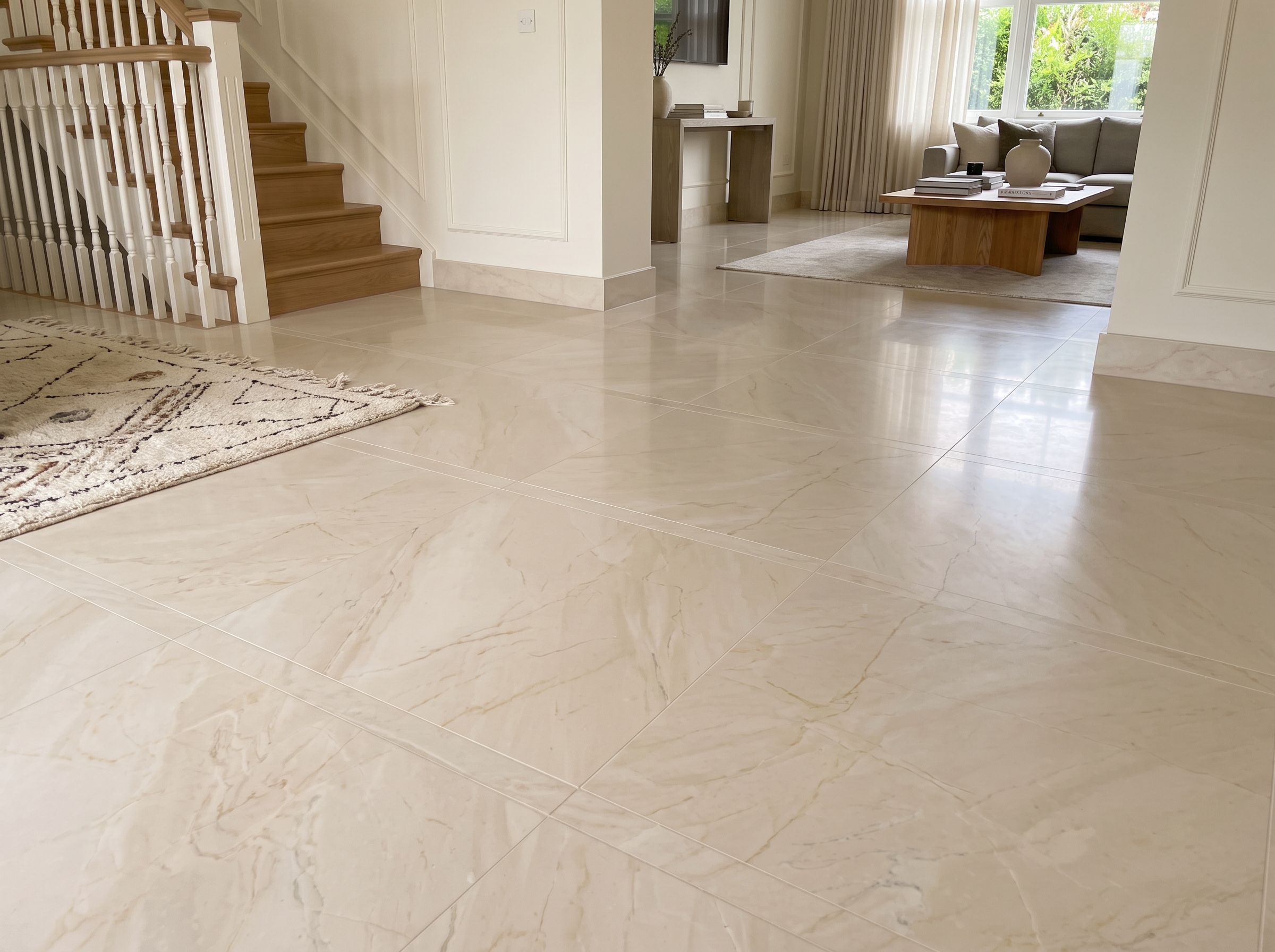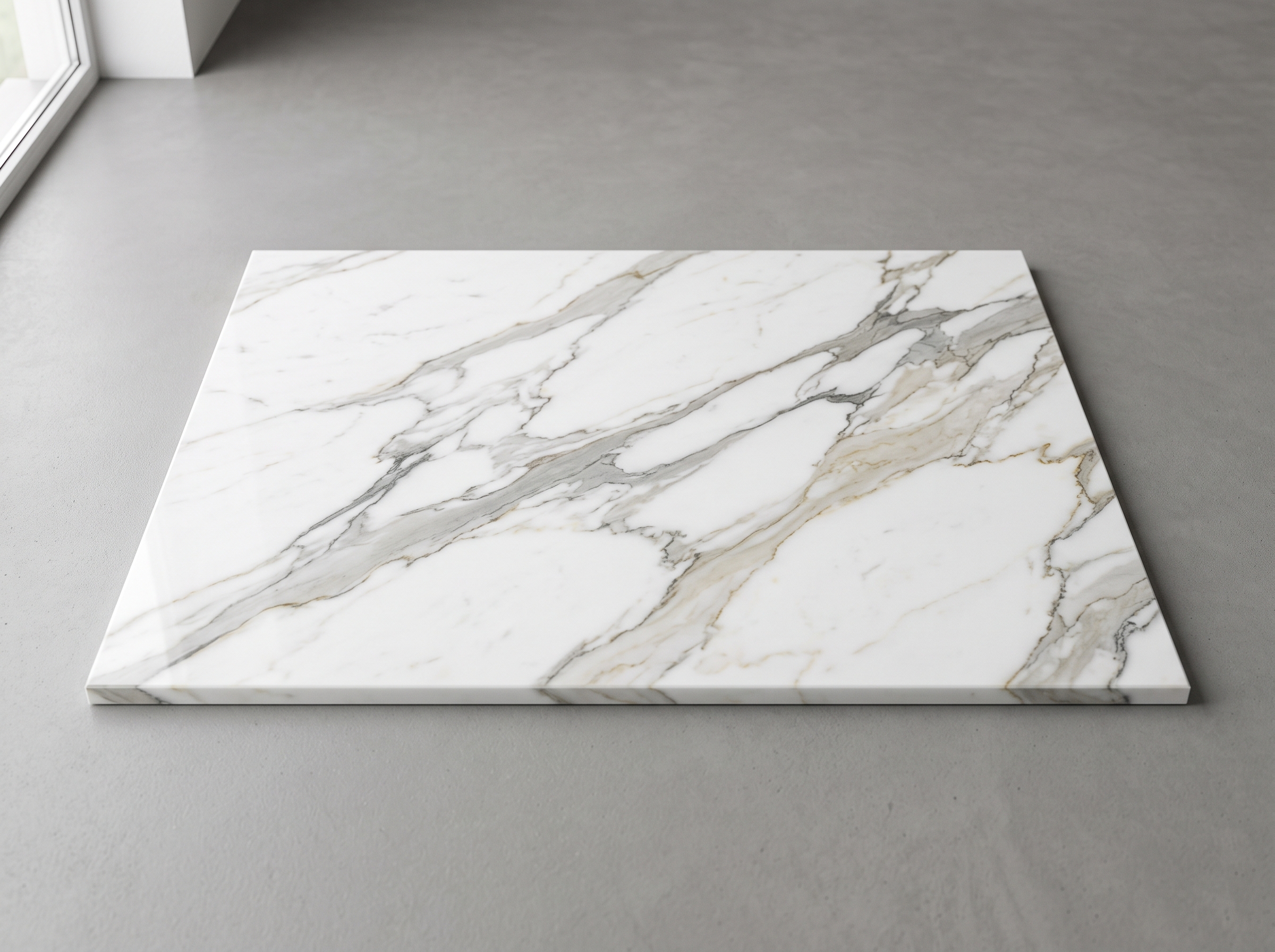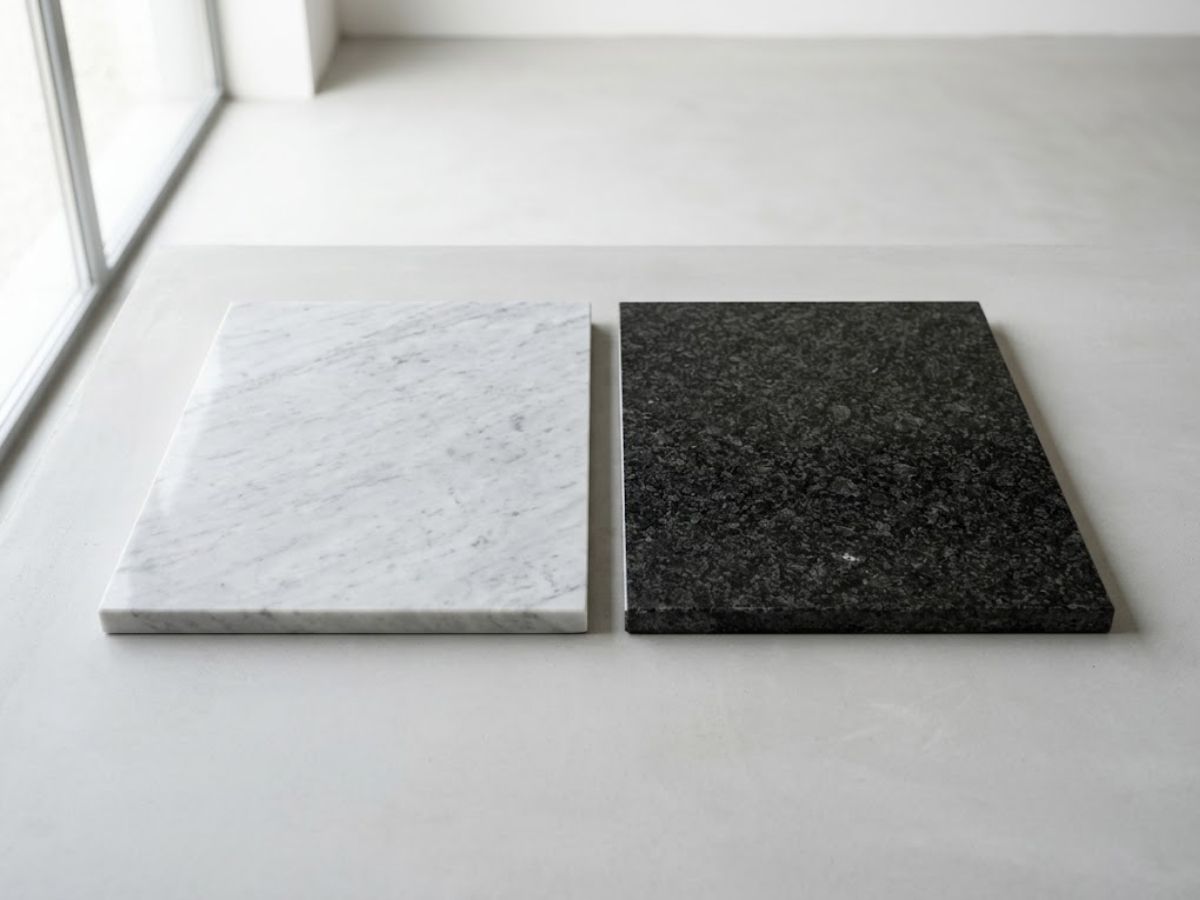
Marble vs Granite: Differences, Advantages, and How to Choose the Right Natural Stone
When planning a residential, commercial, or architectural project, one of the most common questions is "Marble vs granite, which is the better choice?" Both materials have been used for centuries in iconic buildings, luxury residences, hotels, and public spaces because of their durability, natural beauty, and timeless appeal. However, despite being grouped under the category of natural stone, marble and granite differ significantly in their geological formation, appearance, physical properties, maintenance requirements, and ideal applications.
Choosing the right material is not simply a matter of aesthetics. The performance of a natural stone depends on where and how it will be used, the expected level of traffic, environmental conditions, maintenance practices, and the overall design concept. Understanding these differences before making a purchasing decision can save time, reduce long-term maintenance costs, and ensure the project achieves both functional and visual success.
In this comprehensive guide, we compare marble and granite from both a technical and architectural perspective, helping architects, designers, contractors, developers, distributors, and homeowners determine which material best fits their projects.
What Is Marble?
Marble is a metamorphic natural stone formed when limestone undergoes intense heat and pressure over millions of years beneath the Earth's surface. During this transformation, calcite crystals recrystallize, creating the distinctive veining patterns and elegant textures that make marble one of the world's most desirable natural stones.
Because marble is a product of natural geological processes, no two slabs are exactly alike. Every block features unique colors, veins, and movement, making each installation exclusive.
Throughout history, marble has symbolized luxury and prestige. It has been used in world-famous monuments, museums, government buildings, hotels, high-end residences, and premium commercial projects thanks to its refined appearance and exceptional workability.
Key Characteristics of Marble
-
Unique natural veining
-
Elegant and luxurious appearance
-
Excellent polishability
-
Wide range of colors
-
Easy to fabricate into custom shapes
-
Suitable for bookmatched applications
-
Ideal for premium interior spaces
Modern quarrying and processing technologies have also made it possible to produce large-format slabs, allowing designers to create seamless surfaces in contemporary architecture.
What Is Granite?
Granite is an igneous rock created when molten magma slowly cools and crystallizes deep beneath the Earth's surface. Its mineral composition primarily consists of quartz, feldspar, and mica, giving granite exceptional hardness and mechanical strength.
Unlike marble, granite generally exhibits a more granular and speckled appearance rather than flowing veins. Its dense crystalline structure makes it highly resistant to scratches, impact, abrasion, and weather exposure.
For this reason, granite is widely selected for applications where durability is the highest priority.
Key Characteristics of Granite
-
Extremely high hardness
-
Superior scratch resistance
-
Excellent abrasion resistance
-
High compressive strength
-
Good weather resistance
-
Low maintenance requirements
-
Suitable for heavy-duty environments
Granite is commonly used in transportation hubs, commercial buildings, industrial projects, outdoor paving, and high-traffic flooring applications.
Marble vs Granite: Understanding the Main Differences
Although both are classified as natural stones, marble and granite have fundamentally different geological origins. These differences directly influence their appearance, durability, maintenance needs, and recommended applications.
| Feature | Marble | Granite |
|---|---|---|
| Geological Type | Metamorphic | Igneous |
| Main Minerals | Calcite | Quartz, Feldspar, Mica |
| Appearance | Natural flowing veins | Speckled crystalline texture |
| Hardness | Medium | Very High |
| Scratch Resistance | Moderate | Excellent |
| Porosity | Higher | Lower |
| Ease of Fabrication | Excellent | Moderate |
| Polishing Capability | Excellent | Excellent |
| Luxury Appeal | Very High | High |
| Outdoor Performance | Good with proper selection | Excellent |
Rather than asking "Which is better?", professionals typically ask "Which is better for this specific application?"
That distinction is critical.
Appearance: Which Stone Offers Better Aesthetics?
For many architects and interior designers, aesthetics remain the primary factor when selecting a natural stone.
Marble is renowned for its:
-
flowing veins
-
soft movement
-
natural elegance
-
depth of color
-
luxurious visual character
Each slab resembles a work of art created by nature over millions of years. This individuality is one of marble's greatest strengths, especially in premium architectural projects.
Bookmatching—a technique in which adjacent slabs mirror one another—is another significant advantage of marble. This creates dramatic, symmetrical patterns that become focal points in luxury interiors.
Granite, on the other hand, provides a more consistent and uniform appearance. While it also displays natural beauty, its crystalline structure results in a more homogeneous visual effect.
Depending on the architectural style, this consistency can be advantageous in large commercial installations requiring visual continuity.
Durability Comparison
One of the most frequently searched questions online is:
Is granite stronger than marble?
From a mechanical standpoint, granite generally demonstrates higher resistance to scratches, abrasion, and impact because of its mineral composition.
However, strength should not be confused with suitability.
Many of the world's most prestigious hotels, museums, government buildings, luxury villas, and historical landmarks continue to use marble extensively because these environments prioritize elegance and visual sophistication over extreme mechanical resistance.
When properly selected, fabricated, installed, and maintained, both marble and granite can provide decades of reliable performance.
Scratch Resistance
Granite is one of the hardest natural stones available in the construction industry.
Its quartz-rich composition provides excellent resistance against:
-
surface scratches
-
heavy foot traffic
-
abrasion
-
impact
Marble, while durable, is comparatively softer due to its calcite-based structure.
In most residential and commercial interior applications, this difference is rarely problematic. However, in environments subject to continuous mechanical wear, granite may offer a longer-lasting surface with less visible deterioration over time.
The decision ultimately depends on how the space will be used rather than simply comparing laboratory hardness values.
Heat Resistance
Both marble and granite are formed under extremely high temperatures within the Earth's crust, making them naturally resistant to heat. However, their performance under prolonged thermal exposure differs slightly.
Granite generally offers higher heat resistance due to its dense crystalline composition. It can tolerate hot cookware and elevated temperatures better than many engineered surfaces, making it a popular choice for kitchens and commercial food preparation areas.
Marble also performs well under normal indoor conditions and is naturally cool to the touch, which is one reason it has been favored by bakers and pastry chefs for centuries. However, sudden temperature changes and repeated exposure to excessive heat may affect its polished finish over time.
For both materials, using trivets or heat-resistant pads is recommended to preserve the surface's appearance.
Stain Resistance and Porosity
One of the biggest differences between marble and granite lies in their porosity.
Marble has a more open pore structure, allowing liquids to penetrate more easily if the surface is left unprotected. Substances such as coffee, wine, lemon juice, vinegar, or cooking oils may cause staining or etching if not cleaned promptly.
Granite generally has lower porosity, making it naturally more resistant to moisture and stains.
Fortunately, modern impregnating sealers significantly improve the stain resistance of both stones. When properly sealed and maintained, marble performs exceptionally well in residential and commercial environments.
Proper maintenance—not the stone itself—is often the determining factor in long-term performance.
Maintenance Requirements
Many buyers assume marble is difficult to maintain. In reality, both marble and granite require routine care to preserve their beauty.
Marble Maintenance
For marble surfaces:
-
Clean spills immediately.
-
Avoid acidic cleaning products.
-
Use pH-neutral stone cleaners.
-
Reapply penetrating sealers periodically.
-
Use soft microfiber cloths for daily cleaning.
Following these simple practices helps maintain marble's polished finish for many years.
Granite Maintenance
Granite generally requires:
-
Routine cleaning with mild detergents
-
Periodic sealing, depending on usage
-
Avoiding harsh chemical cleaners
-
Regular removal of dust and debris
Because granite is less porous, maintenance intervals are often longer.
Marble vs Granite for Different Applications
Choosing between marble and granite depends largely on the intended application.
Luxury Residential Interiors
Marble remains the preferred choice for luxury homes because of its elegance and timeless appeal.
Typical marble applications include:
-
Feature walls
-
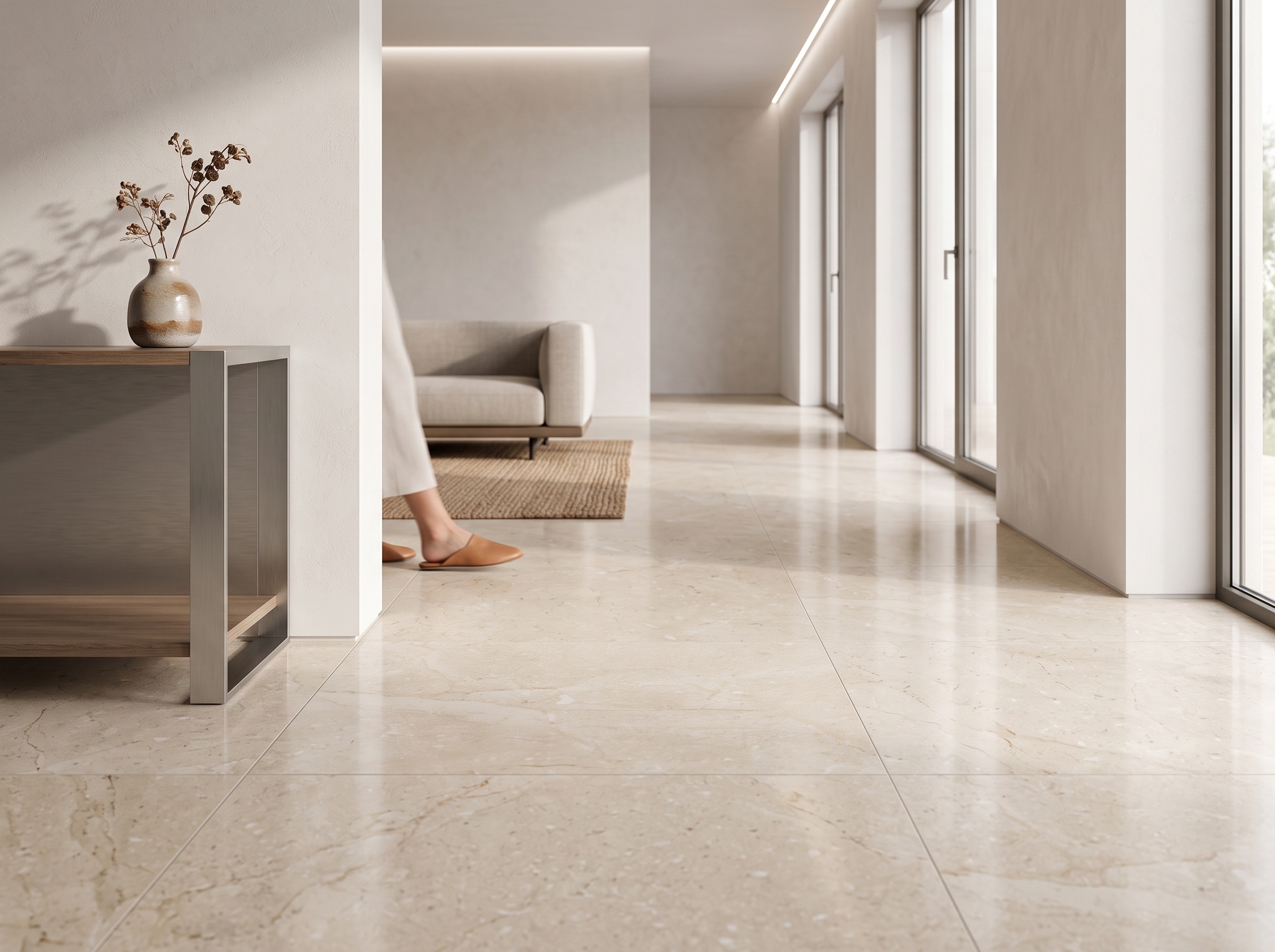
Flooring
-
Staircases
-
Fireplace surrounds
-
Bathrooms
-
Hotel lobbies
-
Reception areas
-
Dining spaces
Its natural veining transforms every installation into a unique architectural statement.
Kitchen Countertops
Granite is widely recognized for its durability in kitchens.
Advantages include:
-
High scratch resistance
-
Excellent heat resistance
-
Low maintenance
-
Good stain resistance
-
Long service life
However, marble continues to be selected for luxury kitchen islands and premium residential projects where aesthetics take priority.
Many high-end homes successfully combine both materials, using marble as a visual centerpiece while incorporating granite into work-intensive areas.
Bathrooms
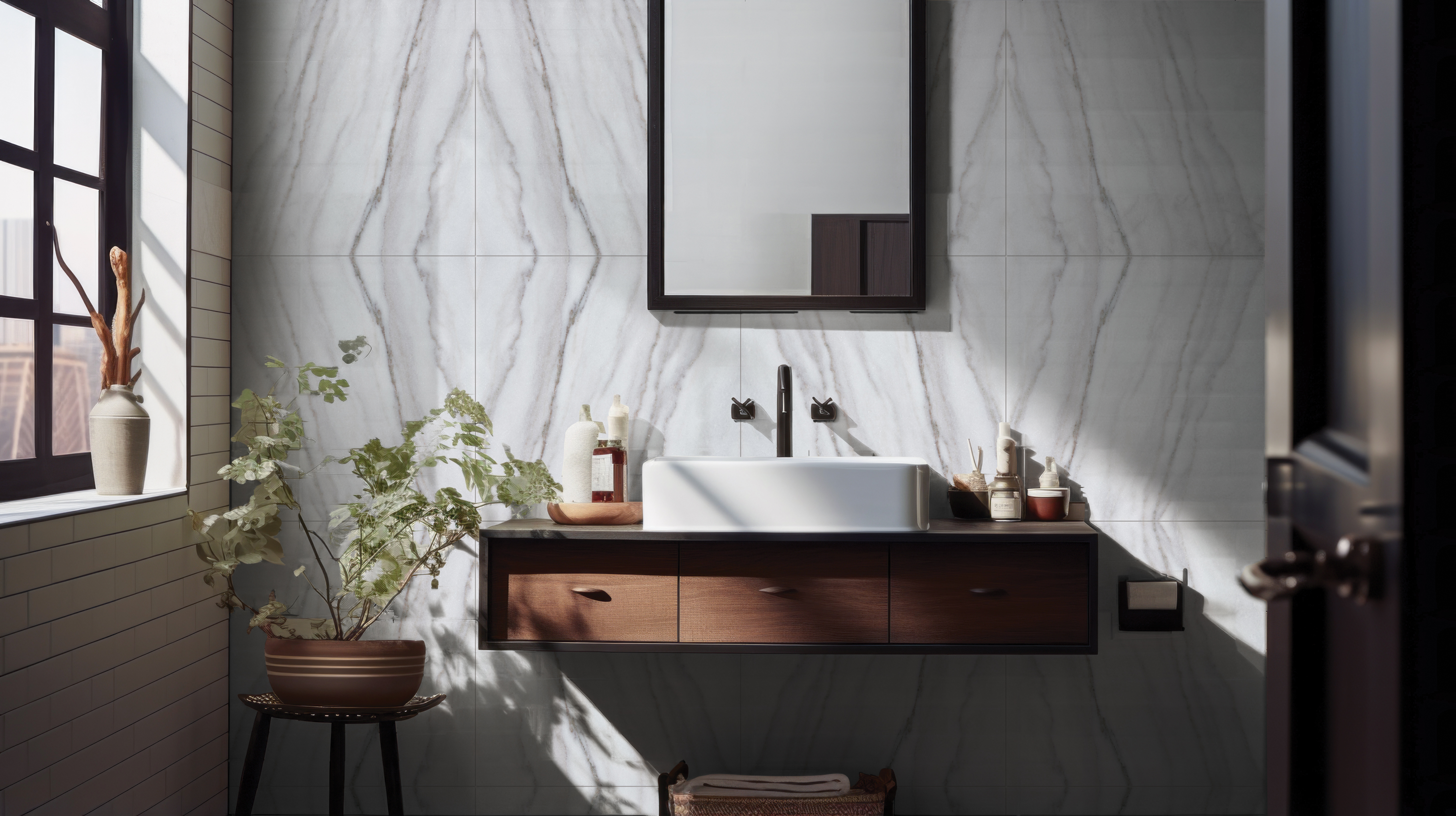
Marble is one of the most sought-after natural stones for bathrooms.
Its luxurious appearance complements:
-
Vanity tops
-
Shower walls
-
Bathtub surrounds
-
Flooring
-
Decorative wall cladding
When properly sealed, marble performs exceptionally well in indoor bathroom environments.
Commercial Projects
Hotels, office towers, shopping malls, airports, and mixed-use developments often utilize both materials strategically.
Marble is commonly selected for:
-
Reception areas
-
Hotel lobbies
-
Executive spaces
-
Luxury retail stores
-
Corporate headquarters
Granite is frequently specified for:
-
Heavy traffic flooring
-
Public walkways
-
Exterior paving
-
Transportation terminals
-
Industrial buildings
The most successful projects use each material where its strengths provide the greatest benefit.
Cost Comparison
One of the most frequently searched questions is:
Is marble more expensive than granite?
The answer is not always.
Pricing depends on numerous factors, including:
-
Quarry location
-
Block quality
-
Color rarity
-
Slab dimensions
-
Thickness
-
Surface finish
-
Fabrication complexity
-
Transportation costs
-
Production capacity
-
Material selection
Premium marble can be more expensive than standard granite, while exotic granites may exceed the cost of many marble varieties.
Rather than comparing material categories alone, buyers should evaluate each stone individually based on project requirements.
Sustainability and Environmental Considerations
Natural stone is increasingly recognized as a sustainable building material.
Unlike synthetic alternatives, marble and granite are extracted directly from nature and can remain in service for generations.
Additional environmental advantages include:
-
Exceptional longevity
-
Recyclability
-
Low VOC emissions
-
Minimal replacement frequency
-
Timeless aesthetic that reduces renovation cycles
Responsible quarry management, efficient processing technologies, and optimized logistics further enhance the sustainability profile of natural stone.
Working with experienced producers committed to responsible extraction practices is an important consideration for environmentally conscious projects.
Factors Architects Consider When Choosing Natural Stone
Professional architects rarely select a stone based solely on appearance.
Instead, they evaluate multiple technical and commercial criteria, including:
-
Mechanical properties
-
Project location
-
Expected traffic levels
-
Maintenance requirements
-
Available slab sizes
-
Color consistency
-
Long-term supply continuity
-
Lead times
-
Processing quality
-
Technical support from the manufacturer
This holistic approach ensures both aesthetic excellence and long-term project performance.
Why Choosing the Right Natural Stone Supplier Matters
Selecting the right natural stone is only part of a successful project. Equally important is choosing a supplier with reliable production capabilities, consistent quality standards, and long-term supply continuity.
Large residential developments, hotels, commercial buildings, and public infrastructure projects often require substantial quantities of stone with uniform color, veining, dimensions, and finish. Even the highest-quality material can become problematic if supply consistency cannot be maintained throughout the project.
When evaluating a natural stone supplier, consider the following factors:
-
Ownership of the quarry
-
Consistent block quality
-
Modern processing facilities
-
Strict quality control procedures
-
Availability of large-format slabs
-
International export experience
-
Reliable delivery schedules
-
Technical support throughout the project
-
Ability to fulfill repeat orders with consistent selection
These factors are especially critical for architects, contractors, distributors, and importers managing large-scale developments.
Why Choose Biser Marble?
At Biser Marble, quality begins at the source.
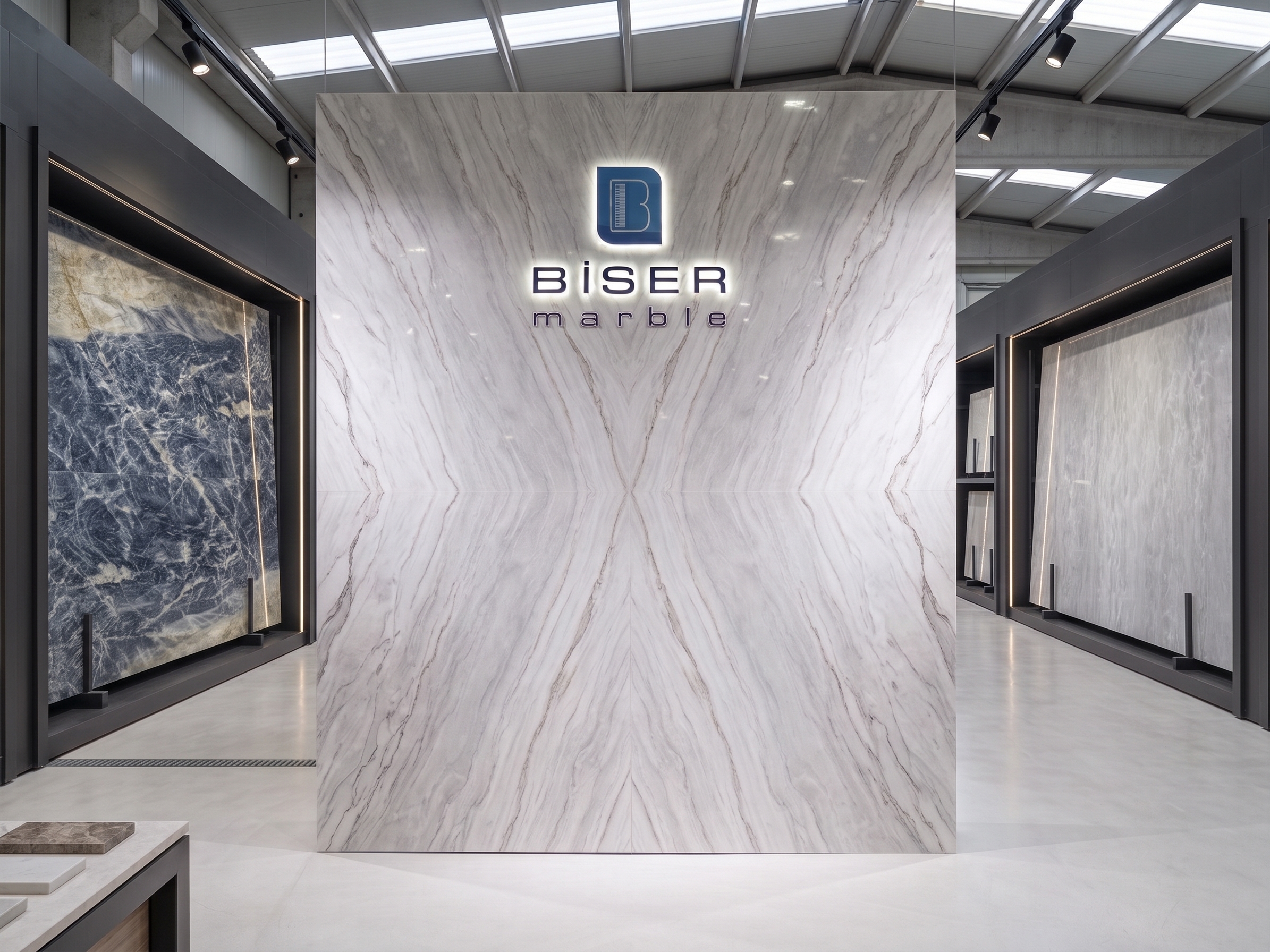
With our own marble quarry located in Torbalı, İzmir, we oversee every stage of production—from block extraction to slab processing and final quality inspection. This integrated approach enables us to maintain consistency, ensure reliable supply, and deliver premium natural stone solutions for projects around the world.
Our portfolio includes distinctive marble collections designed to meet the aesthetic and technical requirements of modern architecture:
Atlas Grey
Atlas Grey is a sophisticated grey marble featuring elegant linear veining and a balanced color palette. Its contemporary appearance makes it an excellent choice for luxury residences, hotels, office buildings, retail spaces, and high-end interior applications.
Atlas Dark Grey
As a darker selection of Atlas Grey, Atlas Dark Grey offers greater visual depth while maintaining the same refined character. It is particularly suitable for statement walls, flooring, reception areas, and premium commercial interiors.
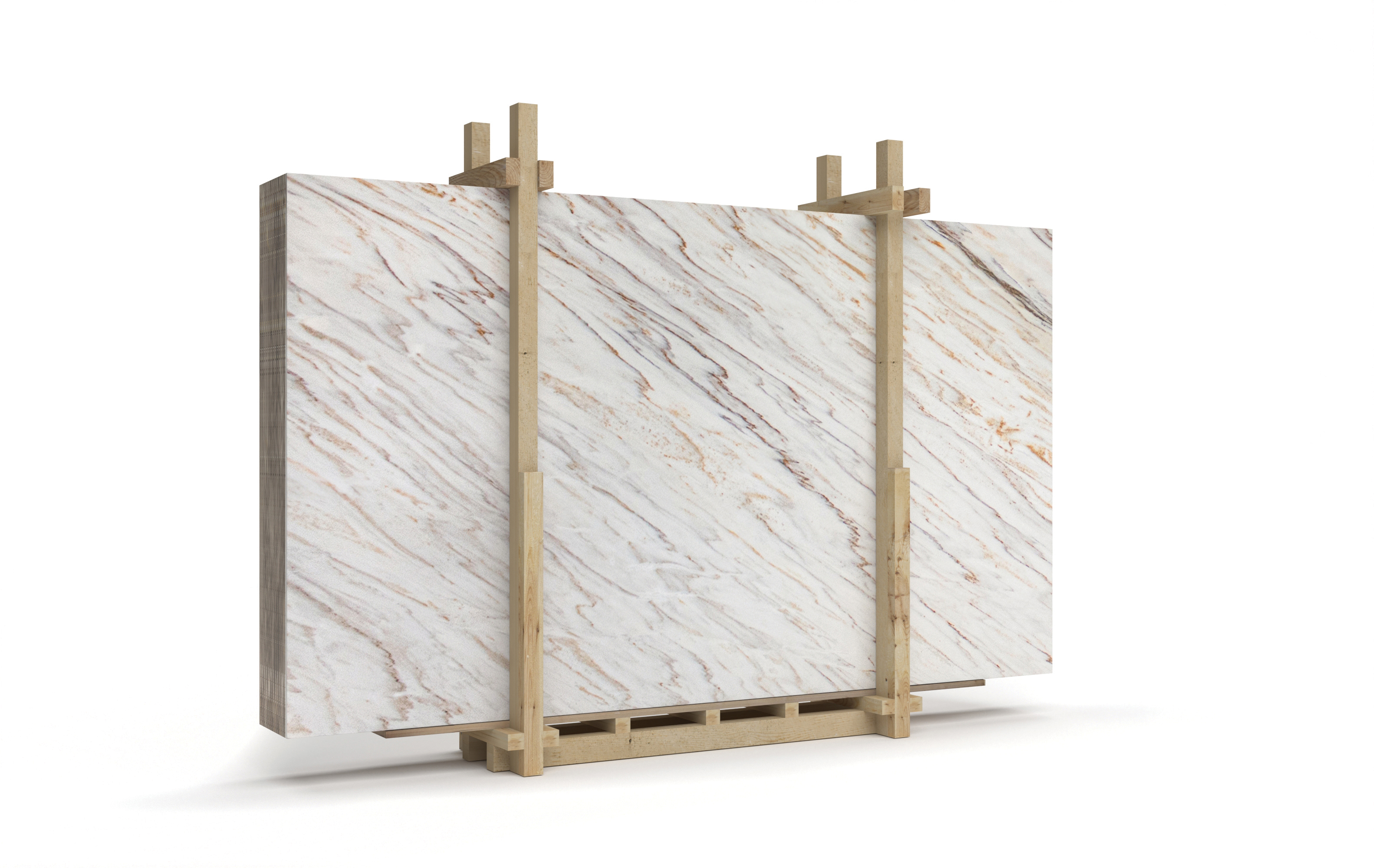
Idilliaco Perla
Known for its refined white background and graceful brown veining, Idilliaco Perla delivers timeless elegance. Available in both Vein Cut and Cross Cut, it provides architects and designers with greater flexibility to achieve different visual effects.
Nile Nuvola
Nile Nuvola combines soft blue-grey tones with subtle golden accents, creating a truly distinctive natural stone. Its unique movement and coloration make it ideal for bespoke architectural projects where individuality is essential.
By controlling production from quarry to finished slab, Biser Marble ensures consistent quality, dependable supply, and natural beauty that meets the expectations of international markets.
Frequently Asked Questions
Is marble better than granite?
Neither material is universally better. Marble is often preferred for projects where elegance, unique veining, and luxury aesthetics are priorities, while granite is favored for applications requiring exceptional hardness and resistance to heavy wear.
Which is more durable: marble or granite?
Granite is generally harder and more resistant to scratches and abrasion. Marble, however, provides excellent long-term performance when properly selected, installed, and maintained.
Is marble suitable for kitchens?
Yes. Marble is widely used in luxury kitchens for islands, backsplashes, and countertops. Proper sealing and routine maintenance help protect the surface and preserve its appearance.
Does granite require sealing?
Yes. Although granite is less porous than marble, periodic sealing is still recommended to enhance stain resistance and extend the lifespan of the surface.
Which natural stone is best for luxury interiors?
Marble is widely regarded as the preferred choice for luxury residential and hospitality projects due to its unique veining, timeless elegance, and ability to create visually striking spaces.
Is natural marble sustainable?
Yes. Marble is a natural material with an exceptionally long service life. Its durability, recyclability, and timeless design contribute to sustainable construction practices when responsibly quarried and processed.
Final Thoughts: Marble vs Granite
The debate over marble vs granite does not have a single definitive answer. Both materials offer exceptional performance, natural beauty, and long-term value when used in the appropriate environment.
Granite stands out for its outstanding hardness, scratch resistance, and durability, making it well suited to high-traffic and demanding applications.
Marble, on the other hand, continues to be the material of choice for architects and designers seeking elegance, individuality, and timeless sophistication. Its natural veining and refined appearance create spaces that cannot be replicated by engineered materials.
Ultimately, the best choice depends on your project's goals, functional requirements, design vision, and maintenance expectations.
Working with an experienced producer who controls the entire manufacturing process—from quarry to finished product—helps ensure consistent quality, dependable supply, and lasting performance.
At Biser Marble, we are committed to providing premium natural stone solutions that combine technical excellence with exceptional aesthetics. Whether your project requires contemporary grey marble, elegant white marble, or distinctive architectural stone, our experienced team is ready to support your next development with reliable products and professional expertise.
Contact Biser Marble
Looking for premium natural marble for your next project?
Whether you are an architect, importer, distributor, contractor, or project developer, Biser Marble offers high-quality block marble, slabs, and cut-to-size solutions tailored to international standards.
Contact our team today to discuss your project requirements and discover how our natural stone collections can bring your architectural vision to life.