Marble vs. Ceramic: What Are the Differences and Which Material Should You Choose?
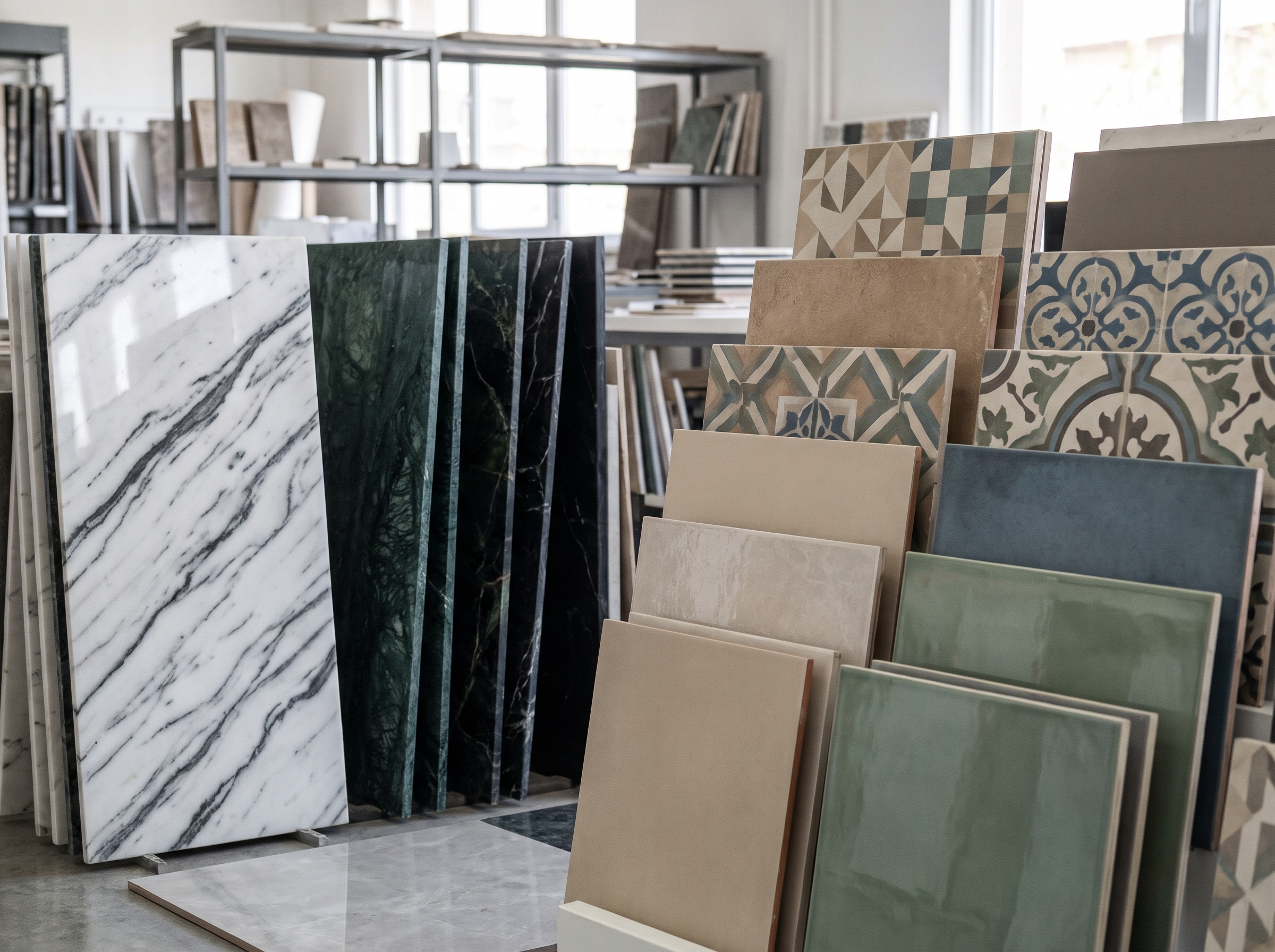
Choosing the right material for floors, walls, bathrooms, and kitchen surfaces is an important part of both interior and exterior design. Marble and ceramic are two widely used materials in architectural and decorative applications. Both offer a variety of colors, patterns, finishes, and design possibilities. However, they differ significantly in terms of production methods, natural characteristics, durability, maintenance requirements, and appearance.
What are the main differences between marble and ceramic? Is marble more durable than ceramic? Which material is better for bathrooms, kitchens, flooring, or wall applications?
Marble is a natural stone formed through geological processes over millions of years, while ceramic is a manufactured material produced by shaping and firing clay and other mineral-based raw materials at high temperatures. This fundamental difference influences the appearance, performance, and maintenance requirements of each material.
In this guide, we compare marble and ceramic, explore their advantages and disadvantages, and explain which material may be more suitable for different architectural projects.
What Is Marble?
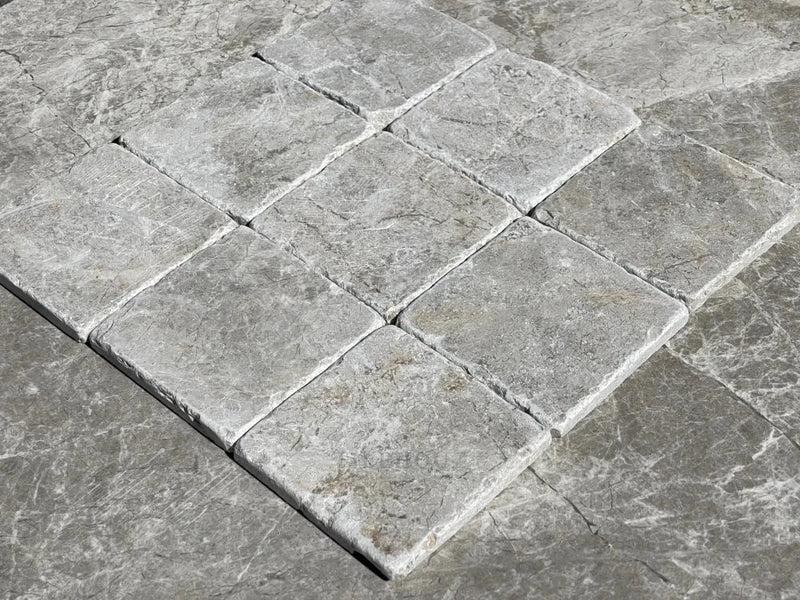
Marble is a metamorphic natural stone formed when limestone or dolomitic rock undergoes recrystallization under high temperatures and pressure. Its main mineral components are calcite and, in some varieties, dolomite.
Due to its natural formation process, every marble slab has distinctive colors, veins, patterns, and textures. These unique characteristics make marble a highly valued material in architecture and interior design.
The main characteristics of marble include:
-
Formed naturally through geological processes.
-
Each slab may feature unique veining and patterns.
-
Available in white, grey, beige, black, green, and various other color tones.
-
Can be finished in polished, honed, brushed, and other surface textures.
-
Can provide long-term performance with appropriate maintenance.
-
Its surface can be renewed through processes such as honing and polishing.
Marble is commonly used for flooring, wall cladding, staircases, kitchen countertops, bathroom designs, hotel lobbies, and decorative architectural applications.
What Is Ceramic?
Ceramic is a manufactured material produced by combining clay, feldspar, quartz, and other mineral-based raw materials in specific proportions. The mixture is then shaped and fired at high temperatures.
Depending on the manufacturing technology, ceramic products are available in different sizes, colors, patterns, and surface finishes. Some ceramic products feature digital printing and surface designs that imitate the appearance of marble, wood, or concrete.
The main characteristics of ceramic include:
-
Manufactured through industrial production processes.
-
Available in a wide range of colors and patterns.
-
Produced in different sizes and thicknesses.
-
Water absorption and durability vary depending on the product type.
-
Generally easy to maintain.
-
Certain types offer high resistance to scratching, staining, and chemicals.
Ceramic is widely used in residential properties, commercial buildings, bathrooms, kitchens, flooring, and wall applications.
Main Differences Between Marble and Ceramic
The most fundamental difference between marble and ceramic is that marble is a natural stone, whereas ceramic is an industrially manufactured material. This distinction affects their appearance, production, maintenance, and performance.
| Comparison Criteria | Marble | Ceramic |
|---|---|---|
| Production | Natural geological formation | Industrial manufacturing |
| Appearance | Natural and unique veining | Designed colors and patterns |
| Patterns | May vary from slab to slab | Generally more standardized in mass production |
| Water absorption | Can absorb water depending on porosity | Varies according to product type |
| Scratch resistance | Depends on mineral composition and finish | Depends on product type and surface characteristics |
| Stain resistance | Affected by porosity and protective treatments | Generally high in low-porosity products |
| Maintenance | Requires appropriate and regular care | Generally easier to maintain |
| Surface restoration | Can be honed and polished | Damaged tiles generally need replacement |
| Visual consistency | Natural variations between slabs | More controlled and consistent patterns |
| Applications | Interior and suitable exterior applications | Interior and exterior applications depending on specifications |
1. Appearance and Aesthetics: Marble or Ceramic?
One of the most noticeable differences between marble and ceramic is their appearance.
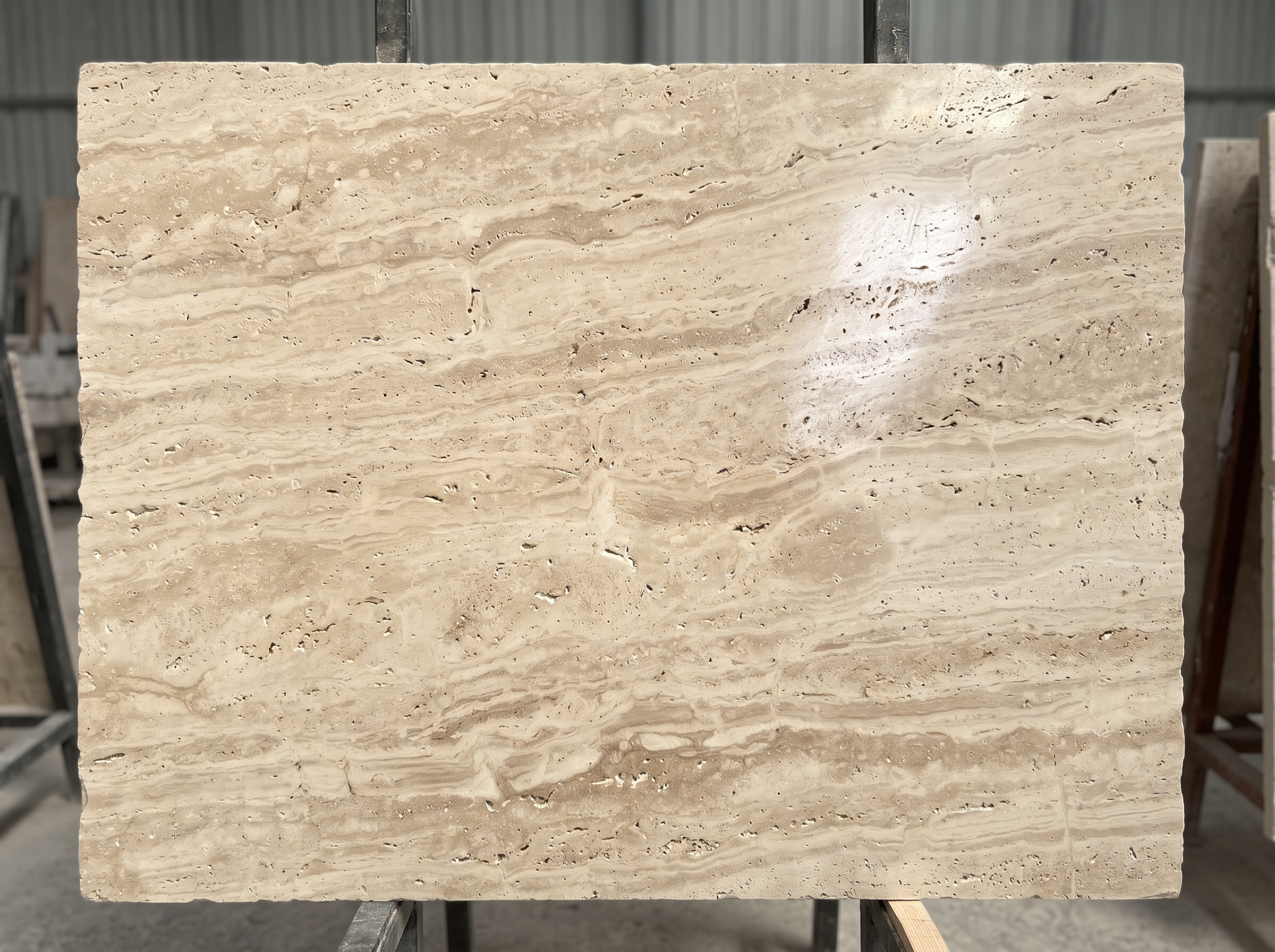
Marble has a distinctive character created by natural veining, mineral formations, and color variations. Even two slabs extracted from the same marble variety may have different vein distributions and patterns.
Large marble slabs can showcase these natural characteristics across expansive surfaces. Bookmatch applications, in which two adjacent slabs display mirrored vein patterns, can create striking wall and floor designs.
Ceramic offers a wide range of visual possibilities thanks to modern manufacturing and printing technologies. Marble-look ceramic tiles can imitate the appearance of natural stone. However, repeated patterns and surface textures may differ from genuine marble.
Which material is more aesthetically appealing?
The answer depends on the design concept. Marble is an excellent option for projects that prioritize natural veining, unique patterns, and authentic stone character. Ceramic may be preferable for applications requiring standardized designs, controlled patterns, and a broad selection of decorative styles.
2. Durability: Marble vs. Ceramic
The durability of marble and ceramic depends on the material's composition, physical characteristics, thickness, surface finish, and intended application.
Marble is a solid natural material that can provide long-term performance. However, its hardness and scratch resistance vary according to its mineral composition. Marble is also sensitive to acidic substances, which can cause surface etching.
The durability of ceramic products depends on their manufacturing technology and product classification. Porcelain tiles, in particular, are known for their low water absorption and high density, making many of them suitable for demanding applications.
It is important not to assume that all marble and ceramic products have the same performance characteristics.
For areas with heavy foot traffic, factors such as abrasion resistance, slip resistance, impact resistance, and surface characteristics should be evaluated together.
3. Water Absorption and Moisture Resistance
Water absorption is another important difference between marble and ceramic.
As a natural and porous stone, marble can absorb a certain amount of water. Its water absorption rate varies depending on its mineral composition, porosity, and microcracks.
The water absorption rate of ceramic products depends on their manufacturing process and product classification. Porcelain tiles, in particular, are characterized by very low water absorption rates.
For this reason, water absorption is an important selection criterion for bathrooms, shower areas, and other applications exposed to frequent moisture.
However, water absorption alone does not determine the performance of an installation. Grout, adhesives, surface slopes, waterproofing, and installation quality also play important roles.
4. Cleaning and Maintenance Requirements
Marble and ceramic have different cleaning and maintenance requirements.
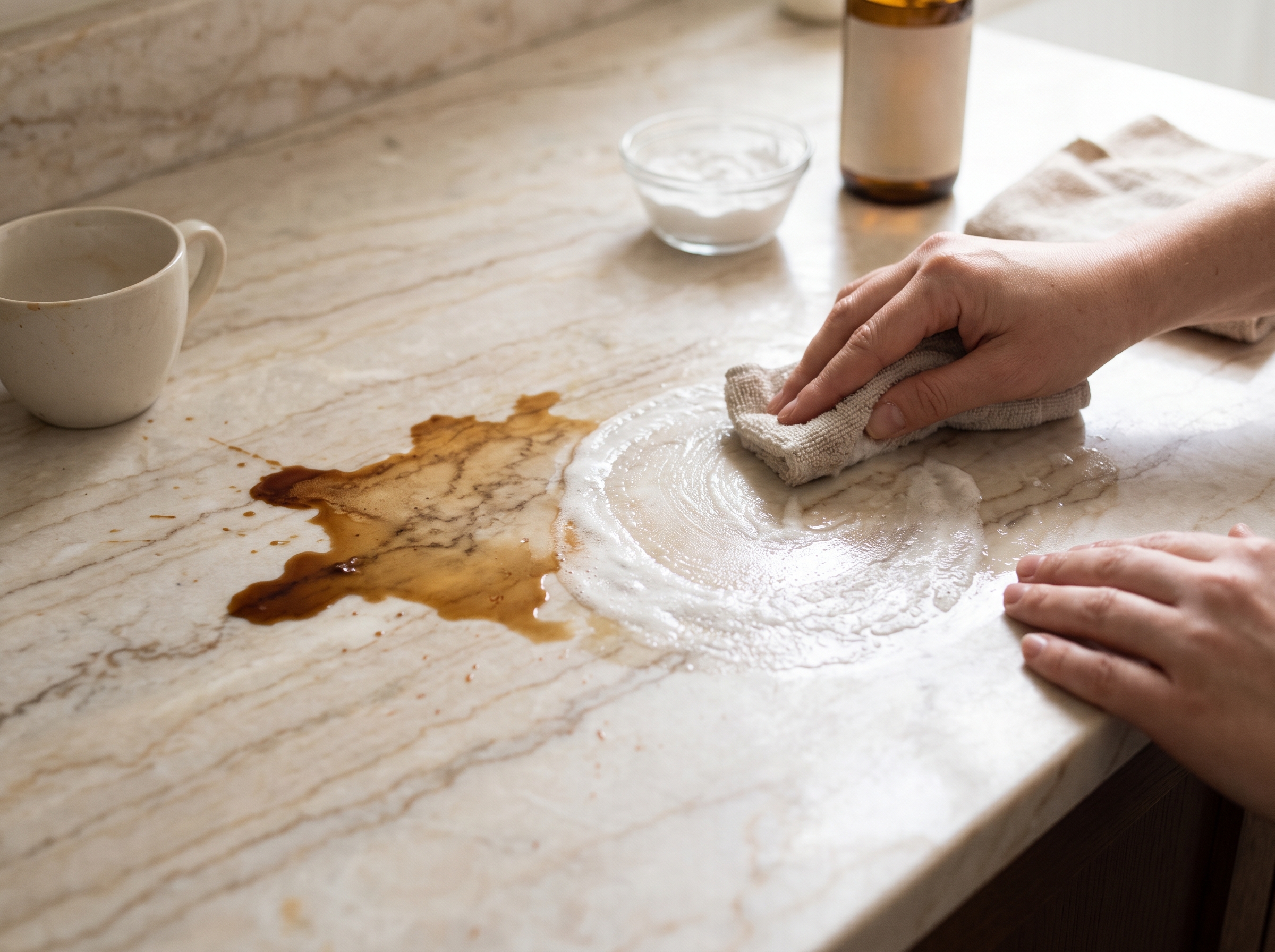
Marble surfaces should be cleaned with pH-neutral products specifically formulated for natural stone. Vinegar, lemon juice, hydrochloric acid, and acidic limescale removers can cause etching and surface damage.
Due to its porous structure, certain marble varieties may also benefit from suitable impregnating sealers. Depending on the level of use and surface condition, professional cleaning, honing, or polishing may be required.
Ceramic surfaces are generally easier to clean during everyday use. Most ceramic surfaces can be maintained with suitable general-purpose surface cleaners. However, cleaning products should be compatible with the ceramic finish and grout.
Ceramic is generally more practical in terms of routine maintenance. Nevertheless, the natural appearance and surface restoration possibilities of marble make it a preferred choice for many architectural projects.
5. Cost Comparison: Marble vs. Ceramic
The price difference between marble and ceramic cannot be determined by considering a single factor.
The price of marble depends on the stone variety, quarry origin, block quality, veining, slab dimensions, thickness, surface finish, and supply conditions.
Ceramic prices vary according to manufacturing technology, brand, dimensions, surface quality, design, and product classification.
For marble installations, cutting, processing, transportation, and installation costs should also be considered. Ceramic projects involve additional costs such as tile cutting, adhesives, and installation labor.
Therefore, a proper comparison should consider the total project cost rather than simply comparing the price per square meter of the materials.
6. Where Are Marble and Ceramic Used?
Both materials can be used in a variety of architectural applications. However, their technical characteristics should be evaluated according to the intended use.
Marble or Ceramic for Flooring?
Marble flooring is widely used in residential properties, hotels, shopping centers, commercial buildings, and other architectural projects thanks to its natural patterns and elegant appearance.
It is particularly popular in spacious lobbies, entrance areas, corridors, and prestigious living spaces, where natural stone can add a distinctive architectural character.
Ceramic flooring is also widely used in residential and commercial spaces due to its diverse designs and technical specifications.
When selecting flooring materials, slip resistance, abrasion resistance, impact resistance, and cleaning requirements should be considered.
Marble or Ceramic for Bathroom Designs?
Both marble and ceramic can be used in bathrooms.
Marble creates a natural and luxurious appearance in vanity countertops, wall cladding, floors, and shower areas.
Ceramic is frequently selected for bathrooms because of its water-resistant product options, easy-to-clean surfaces, and extensive design variety.
Slip resistance, waterproofing, grout quality, and proper installation are essential for both materials.
Marble or Ceramic for Kitchens?
Material selection in kitchens should depend on the intended application and level of use.
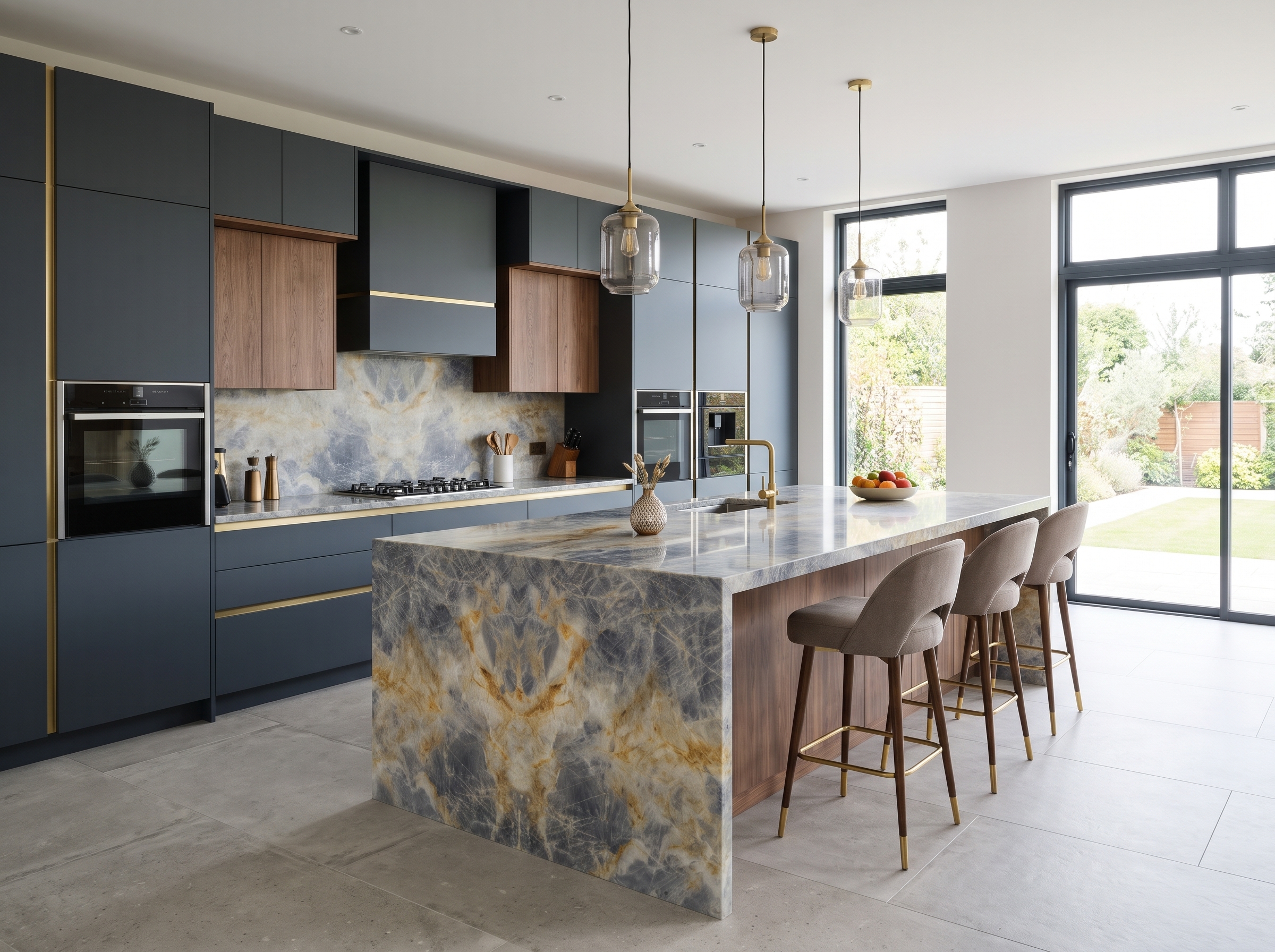
Marble is commonly used for decorative wall cladding, kitchen backsplashes, and certain countertop designs. However, its sensitivity to acids and staining should be taken into account.
Ceramic and especially porcelain surfaces can offer different advantages in terms of stain and chemical resistance. For countertop applications, the selected product should be specifically manufactured and approved for that purpose.
Marble or Ceramic for Wall Cladding?
Wall applications provide an excellent opportunity to showcase the natural veining of marble.
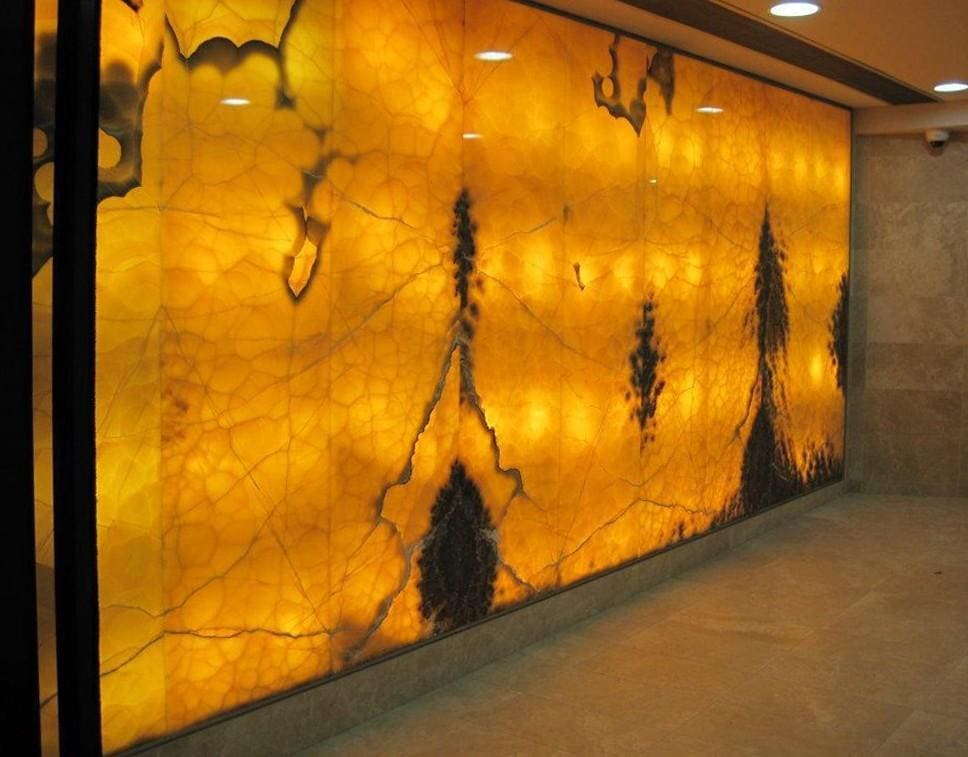
Large marble slabs can create impressive wall designs in hotel lobbies, reception areas, living rooms, and bathrooms.
Ceramic wall tiles offer a wide selection of patterns and dimensions, making them suitable for standardized or decorative design concepts.
7. Natural Marble vs. Marble-Look Ceramic
As marble-look ceramic products have become increasingly popular, comparisons between natural marble and ceramic tiles that imitate marble have also become more common.
Although both materials can create a similar visual effect, they differ in terms of production methods and physical characteristics.
Natural marble:
-
Features genuine natural veining and mineral structures.
-
Every slab has its own distinctive pattern.
-
Offers natural color transitions and crystalline textures.
-
Can be restored through honing and polishing.
-
May require regular maintenance depending on the stone variety.
Marble-look ceramic:
-
Features industrially produced marble-inspired patterns.
-
Can provide a more standardized appearance between products.
-
Offers various colors, patterns, and dimensions.
-
Is generally easier to maintain.
-
Does not possess the actual mineral and crystalline structure of natural marble.
For projects that prioritize the unique appearance and authentic veining of natural stone, marble is an excellent choice. For applications requiring standardized patterns, lower maintenance requirements, and specific technical performance characteristics, marble-look ceramic can be considered.
Which Material Should You Choose: Marble or Ceramic?
When choosing between marble and ceramic, the project's aesthetic expectations, intended application, budget, and maintenance requirements should all be evaluated together.
The following comparison can help simplify the decision-making process:
| Project Requirement | Recommended Material to Consider |
|---|---|
| Natural and unique veining | Marble |
| Luxury and distinctive interior design | Marble |
| Bookmatch wall applications | Marble |
| More standardized patterns | Ceramic |
| Easy everyday maintenance | Ceramic |
| Low water absorption requirements | Suitable porcelain tiles |
| Authentic natural stone character | Marble |
| Extensive decorative pattern options | Ceramic |
Both materials can deliver long-lasting results when the right product is selected and professionally installed. The most important consideration is ensuring that the material's technical characteristics meet the requirements of the project.
Frequently Asked Questions
Is marble more durable than ceramic?
There is no single answer to this question. Marble durability depends on its mineral composition and surface characteristics, while ceramic durability depends on its manufacturing technology and product classification. Porcelain tiles are particularly known for low water absorption and high density, while marble can also provide long-term performance with proper use and maintenance.
Is marble more expensive than ceramic?
Not necessarily in every case. The type, quality, dimensions, and processing requirements of marble influence its price. Ceramic prices also vary depending on brand, manufacturing technology, and design. A proper comparison should include both material and installation costs.
Should I choose marble or ceramic for a bathroom?
Both materials can be used in bathrooms. Marble offers a distinctive natural appearance, while ceramic, particularly products with low water absorption, can provide a practical alternative. Waterproofing and slip resistance should be considered in both applications.
What is the difference between marble-look ceramic and real marble?
Marble-look ceramic is an industrially manufactured product designed to imitate natural marble patterns. Genuine marble is formed through natural geological processes and has unique veins, colors, and mineral characteristics in every slab.
Can marble be used outdoors?
Yes, but not every marble variety is suitable for every outdoor application. Freeze-thaw conditions, water absorption, slip resistance, surface finish, and the physical characteristics of the stone should be evaluated before installation.
Is marble difficult to maintain?
Marble may require more careful maintenance than ceramic. Avoiding acidic cleaners, using suitable cleaning products, and applying protective treatments when necessary are important for preserving its appearance.
Is ceramic a natural stone?
No. Ceramic is manufactured by shaping and firing natural mineral and clay-based raw materials through industrial processes. Marble, on the other hand, is a natural stone formed over millions of years through geological processes.
Conclusion: The Right Material Defines the Character of a Project
Marble and ceramic both play important roles in architectural and decorative applications, each offering distinct advantages.
Ceramic stands out for its product variety, standardized design options, and generally easy maintenance. Marble, on the other hand, is valued for its natural veining, distinctive color variations, and timeless appearance.
The right choice depends on the project's intended use, design expectations, and technical requirements. For projects that emphasize the unique textures, natural patterns, and authentic character of natural stone, marble remains an excellent alternative.
At Biser Marble, we value the aesthetic contribution of natural stone to architecture. With marble varieties featuring distinctive colors, veining, and surface characteristics, we provide natural stone solutions for residential, hospitality, commercial, and specialized architectural projects.