Marble Countertops: Types, Benefits, Costs, Finishes, and How to Choose the Right Marble
Marble countertops are one of the most recognizable choices for kitchens, bathrooms, hotels, restaurants, and luxury interior projects. Known for their natural veining, distinctive colors, and timeless appearance, marble countertops can transform an interior while adding the character that only natural stone can provide.
But choosing the right marble countertop involves more than selecting a color that looks attractive. Marble type, veining, finish, thickness, slab quality, porosity, installation, maintenance, and project requirements all influence the final result.
This comprehensive guide explains marble countertops, the most popular marble types, available finishes, advantages and disadvantages, cost factors, maintenance requirements, and how to select marble for residential and commercial projects.
What Are Marble Countertops?
Marble countertops are work surfaces manufactured from natural marble slabs. Marble is a natural stone formed through the metamorphic transformation of limestone under heat and pressure. Its mineral composition and geological formation create the distinctive colors, patterns, and veins found in each slab.
Unlike engineered surfaces, natural marble has unique variations. Two slabs from the same quarry may have different vein structures, shades, and patterns. This natural variation is one of the main reasons marble remains popular in luxury architecture and interior design.
Marble countertops can be fabricated for:
-
Kitchen countertops
-
Bathroom vanity tops
-
Kitchen islands
-
Bar counters
-
Restaurant counters
-
Hotel reception desks
-
Luxury residential projects
-
Commercial interiors
-
Retail spaces
-
Hospitality projects
-
Custom furniture and tables
For architects, interior designers, contractors, and stone distributors, selecting the appropriate marble slab is an important part of achieving the desired aesthetic and technical performance.
Why Are Marble Countertops So Popular?
The popularity of marble countertops comes from a combination of aesthetics, natural variation, versatility, and long-term design appeal.
Natural and Unique Appearance
Every marble slab is different. Natural veining can range from subtle and uniform patterns to dramatic movements across the surface.
This makes marble particularly attractive for projects where the countertop needs to function as a visual focal point.
Timeless Design
Marble has been used in architecture for centuries. Its appearance can work with both traditional and contemporary interiors.
White marble, grey marble, beige marble, and darker varieties can be incorporated into different design concepts without becoming visually outdated.
Wide Range of Colors and Patterns
Marble is available in numerous colors and geological patterns. Depending on the quarry and variety, it can feature:
-
White backgrounds
-
Grey backgrounds
-
Beige and cream tones
-
Black backgrounds
-
Green shades
-
Brown tones
-
Gold veining
-
Grey veining
-
Dramatic contrasting veins
This variety allows designers to select a stone according to the overall concept of the project.
Suitable for Custom Fabrication
Natural marble slabs can be fabricated into different countertop configurations. Depending on the project, manufacturers and fabricators can create custom dimensions, edge profiles, cut-outs, backsplashes, and other details.
This makes marble suitable for both standard residential applications and highly customized architectural projects.
Popular Types of Marble for Countertops
Choosing the right marble starts with understanding the different varieties available.
Carrara Marble
Carrara marble is one of the most recognized marble varieties in the world. It is generally associated with a white to light grey background and softer grey veining.
Its relatively subtle appearance makes it suitable for:
-
Kitchen countertops
-
Bathroom vanities
-
Backsplashes
-
Islands
-
Contemporary interiors
-
Traditional interiors
Carrara marble is often selected when a project requires an elegant appearance without extremely dramatic veining.
Calacatta Marble
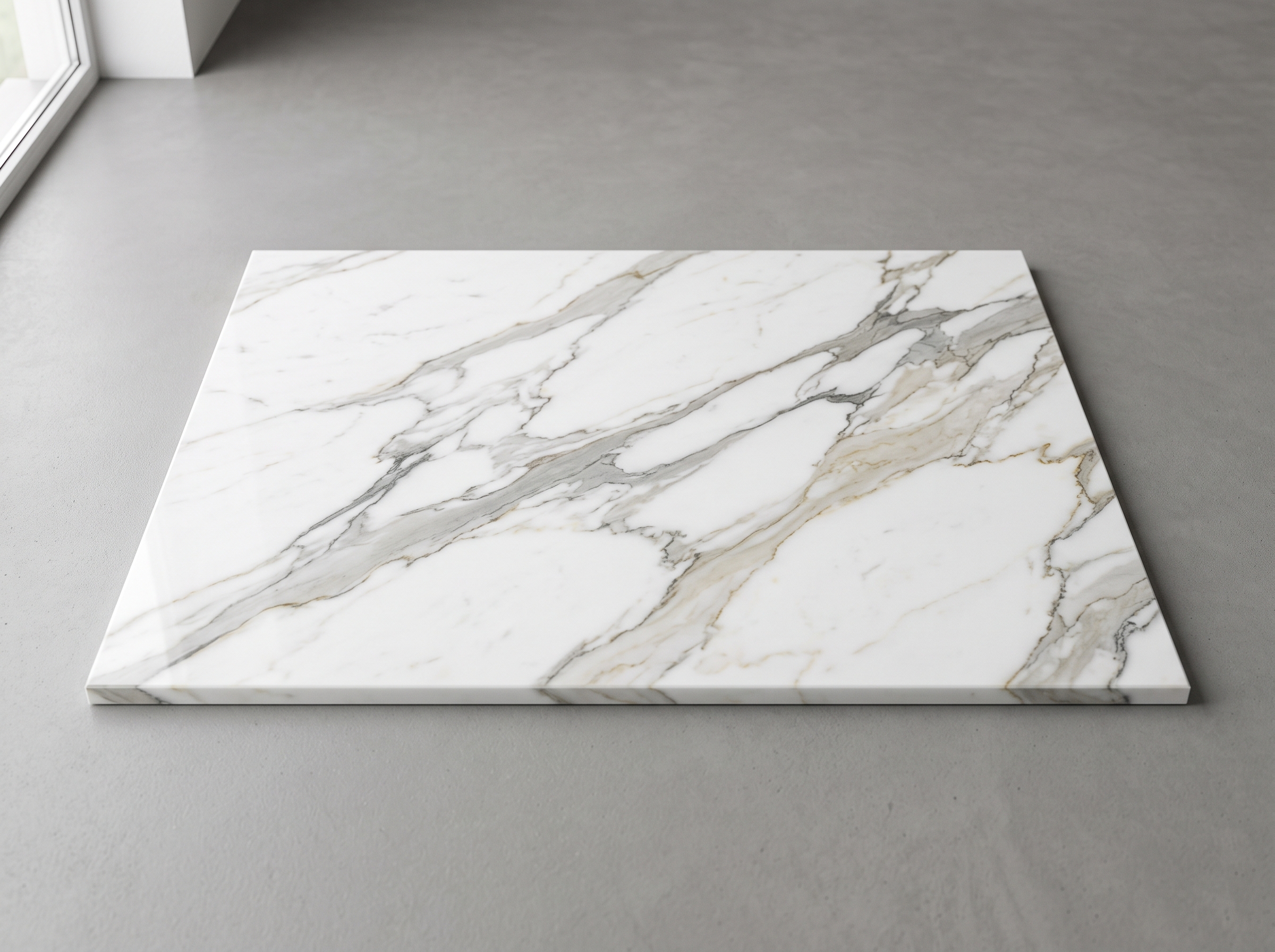
Calacatta marble is known for a lighter background combined with more pronounced and dramatic veining.
Depending on the specific material, veins can include grey, gold, beige, or warmer tones.
Calacatta marble is frequently considered for high-end residential, hospitality, and luxury interior projects where the countertop is intended to become a statement feature.
Statuario Marble
Statuario marble is generally characterized by a light background and distinctive grey veining. Its appearance can be particularly striking when large slabs are used for islands or feature surfaces.
White Marble
White marble is one of the most popular choices for countertops because it creates a bright, clean, and sophisticated appearance.
White marble can range from almost uniform backgrounds to heavily veined materials.
For large kitchen islands, slab selection becomes especially important because the natural pattern can have a major impact on the overall appearance.
Grey Marble
Grey marble offers a more contemporary appearance and can work well with wood, metal, glass, and neutral-colored cabinetry.
Depending on the stone, grey marble can have subtle cloudy patterns or strong contrasting veins.
Black Marble
Black marble can create a dramatic and luxurious appearance. It is commonly considered for:
-
Luxury kitchens
-
Bathroom vanities
-
Bars
-
Hotel interiors
-
Feature counters
-
High-end commercial spaces
The contrast between a dark background and lighter veins can create a strong visual effect.
Marble Countertop Finishes
The finish applied to marble significantly changes its appearance and surface characteristics.
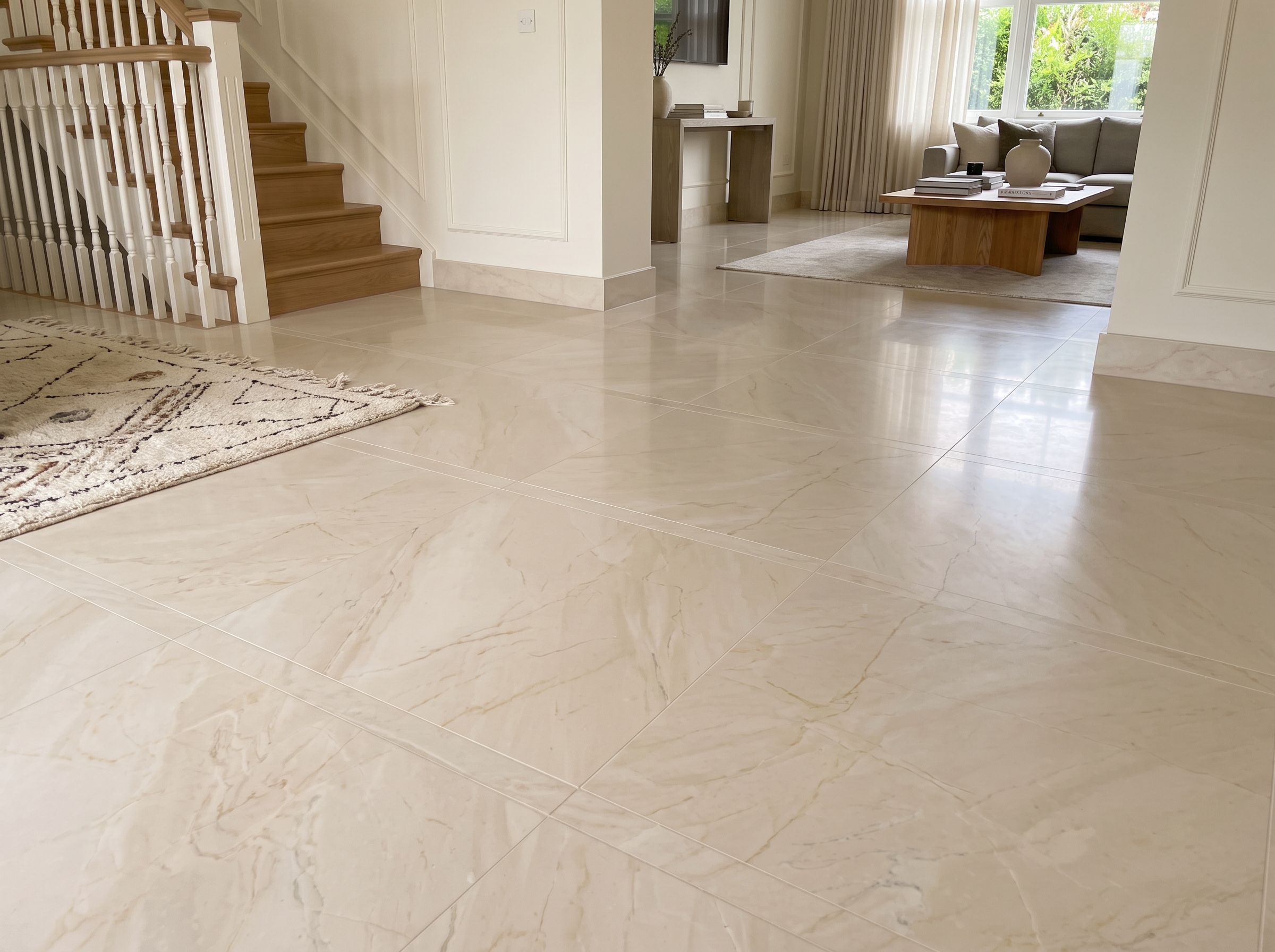
Polished Marble
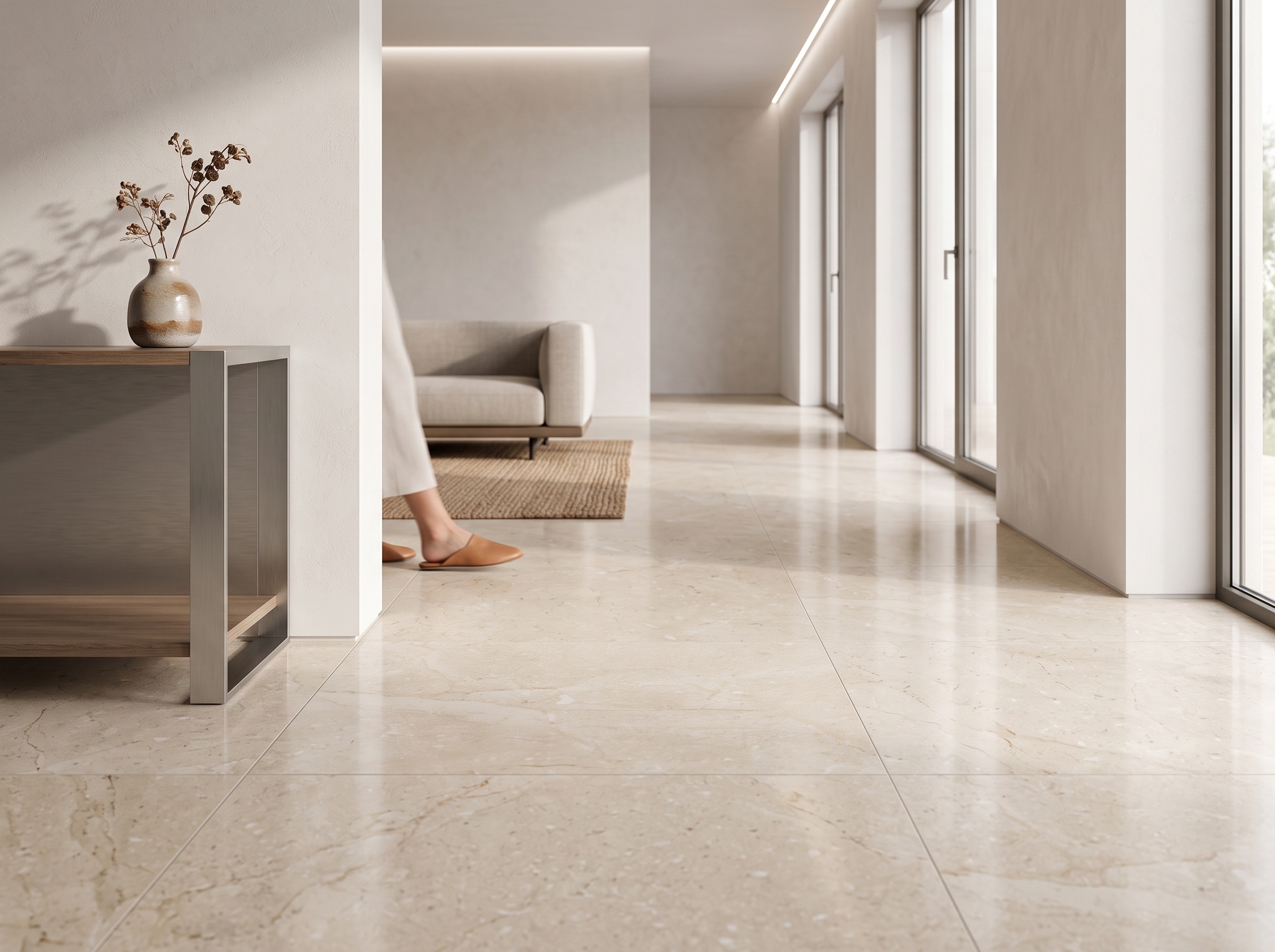
A polished finish creates a smooth surface with a glossy appearance. It enhances the color and visual depth of many marble varieties.
Polished marble is often selected when the project requires a luxurious and reflective appearance.
Honed Marble
Honed marble has a smooth but generally non-reflective appearance.
Compared with polished marble, honed surfaces provide a softer and more understated look. They are frequently used in contemporary and minimalist interiors.
Leathered and Textured Finishes
Certain marble materials can be produced with textured finishes depending on the stone and fabrication requirements.
These finishes can create additional tactile interest and reduce the highly reflective appearance associated with polished surfaces.
The appropriate finish should be selected according to both the design concept and the intended application.
Advantages of Marble Countertops
Marble countertops offer several advantages that make them attractive for architectural and interior projects.
1. Exceptional Natural Aesthetics
The most important advantage is the appearance of natural stone. Marble provides authentic geological variation that cannot be perfectly reproduced from one slab to another.
2. Unique Veining
Natural veining gives marble its characteristic identity. Depending on the stone, veins can be delicate, linear, cloud-like, or highly dramatic.
3. Design Versatility
Marble can complement many architectural styles, from classic interiors to modern luxury spaces.
4. Long-Term Design Appeal
Marble has remained relevant in architecture for centuries, making it a material with enduring aesthetic appeal.
5. Wide Material Selection
Buyers can select from numerous colors, patterns, origins, and finishes.
6. Suitable for High-End Projects
Marble countertops are frequently specified for luxury residential, hospitality, retail, and commercial interiors where natural materials are an important part of the design language.
Disadvantages of Marble Countertops
Despite its advantages, marble is not maintenance-free.
Marble Is Relatively Soft
Compared with some other countertop materials, marble is relatively soft. It can therefore be susceptible to scratching, particularly when used in demanding environments.
Marble Can Be Sensitive to Acids
Marble is primarily composed of calcium carbonate, which can react with acidic substances. Certain acidic foods and liquids may cause surface etching if they remain on an unprotected surface.
Common examples include:
-
Lemon juice
-
Vinegar
-
Some acidic sauces
-
Wine
-
Certain cleaning products
This is why appropriate care and cleaning practices are important.
Porosity Varies
Different marble varieties have different physical characteristics. Some materials can absorb liquids more readily than others.
Proper sealing can help reduce the risk of staining, but sealing does not make marble completely stain-proof.
Natural Variation Requires Careful Selection
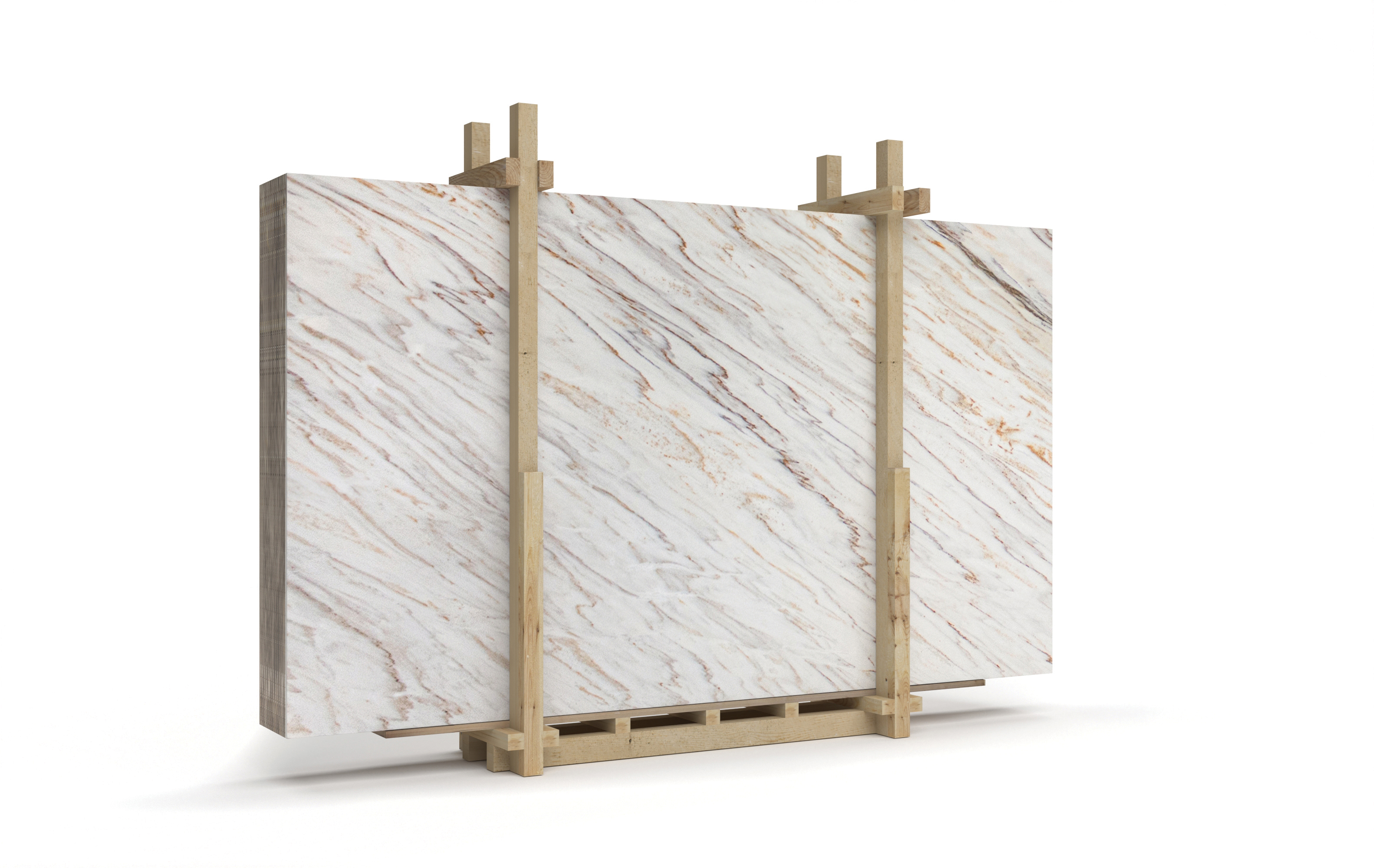
Natural variation is one of marble's greatest advantages, but it also means that buyers should evaluate actual slabs rather than relying exclusively on small samples.
For large islands, feature walls, or bookmatched applications, slab selection and layout planning are especially important.
How Much Do Marble Countertops Cost?
The cost of marble countertops varies significantly depending on the material and project requirements.
There is no single universal marble countertop price because several factors influence the final cost.
Main Factors Affecting Marble Countertop Cost
Marble type: Rare and highly sought-after varieties can command higher prices.
Origin: Quarry location, availability, transportation, and market conditions influence material costs.
Slab quality: Color consistency, veining, surface quality, dimensions, and block characteristics affect value.
Slab size: Larger slabs can be particularly valuable for large islands and uninterrupted surfaces.
Thickness: Different thicknesses have different material and fabrication requirements.
Finish: Polished, honed, and other finishes may involve different processing requirements.
Fabrication: Cutting, edge profiles, sink openings, cooktop openings, and custom details add to the fabrication cost.
Installation: Transportation, handling, installation complexity, and site conditions can affect the total project cost.
Waste: Complex layouts can increase material consumption because slabs must be cut according to the project dimensions and vein direction.
For B2B buyers, architects, and contractors, evaluating the cost per finished project, rather than simply the price per square meter or square foot, provides a more accurate comparison.
Marble Countertop Thickness
Marble countertops are commonly produced in different thicknesses depending on the market, application, design, and fabrication method.
Common options include:
-
20 mm
-
30 mm
-
Other customized thicknesses
The appropriate thickness depends on the structural design, support system, edge treatment, installation requirements, and project specifications.
For commercial and architectural projects, thickness should be determined during the design and fabrication stage rather than selected based solely on appearance.
How to Choose the Right Marble for a Countertop
Selecting marble should be approached as both a design and technical decision.
1. Define the Application
First determine where the marble will be installed.
A kitchen countertop may have different requirements from a bathroom vanity, hotel reception desk, or restaurant counter.
2. Consider the Design Style
Determine whether the project requires:
-
Subtle veining
-
Dramatic veining
-
Uniform color
-
High contrast
-
Warm tones
-
Cool tones
-
Light colors
-
Dark colors
3. Inspect Full Slabs
Whenever possible, inspect the actual slabs intended for the project.
Small samples cannot always represent the complete pattern of a natural stone slab.
4. Consider Vein Direction
Vein direction can significantly influence the appearance of an island or long countertop.
For premium projects, fabricators may plan slab placement to create visual continuity or bookmatched patterns.
5. Check Technical Characteristics
Depending on the application, buyers should consider characteristics such as:
-
Water absorption
-
Density
-
Flexural strength
-
Compressive strength
-
Surface quality
-
Resistance characteristics
-
Available slab dimensions
Technical documentation and relevant test reports can help buyers compare materials objectively.
6. Select the Appropriate Finish
Polished and honed surfaces can create very different visual effects. The finish should match the design concept and expected use.
7. Consider Maintenance Requirements
The project owner should understand how the selected marble should be cleaned, protected, and maintained.
Marble Countertops vs. Other Countertop Materials
Marble is not the only material used for countertops. Natural granite, quartzite, engineered quartz, porcelain, and other materials are also widely used.
However, marble has a distinctive advantage: natural veining and geological character.
| Material | Natural Stone | Natural Veining | Design Character | Maintenance Consideration |
|---|---|---|---|---|
| Marble | Yes | Excellent | Luxury, timeless | Requires care |
| Granite | Yes | Variable | Durable, natural | Generally manageable |
| Quartzite | Yes | Excellent | Natural, premium | Generally durable |
| Engineered Quartz | No | Controlled | Consistent | Generally easy |
| Porcelain | No | Manufactured | Modern, versatile | Generally low |
The best material depends on the project's priorities. For projects where authentic natural veining and a distinctive appearance are central to the design, marble remains a strong choice.
How to Maintain Marble Countertops
Proper maintenance helps preserve the appearance of marble countertops.
Clean Spills Quickly
Spills should be removed as soon as possible, particularly liquids that may stain or react with the stone.
Use Suitable Cleaning Products
Use cleaning products specifically appropriate for natural stone. Avoid aggressive acidic cleaners unless they are specifically recommended for the application.
Avoid Abrasive Materials
Harsh abrasive pads and inappropriate cleaning methods can damage the surface finish.
Use Cutting Boards
Although marble can be used as a food-preparation surface, cutting directly on the countertop is not recommended. Cutting boards help protect the surface.
Use Trivets
Hot cookware should not be placed directly on the stone without considering the manufacturer's or fabricator's recommendations.
Maintain the Sealer
Depending on the marble, finish, usage, and sealer, periodic resealing may be recommended.
Maintenance requirements should be determined according to the specific marble and the conditions of use.
Marble Countertops for Kitchens
Kitchen countertops are among the most visible applications for marble.
Marble can be particularly effective when used for:
-
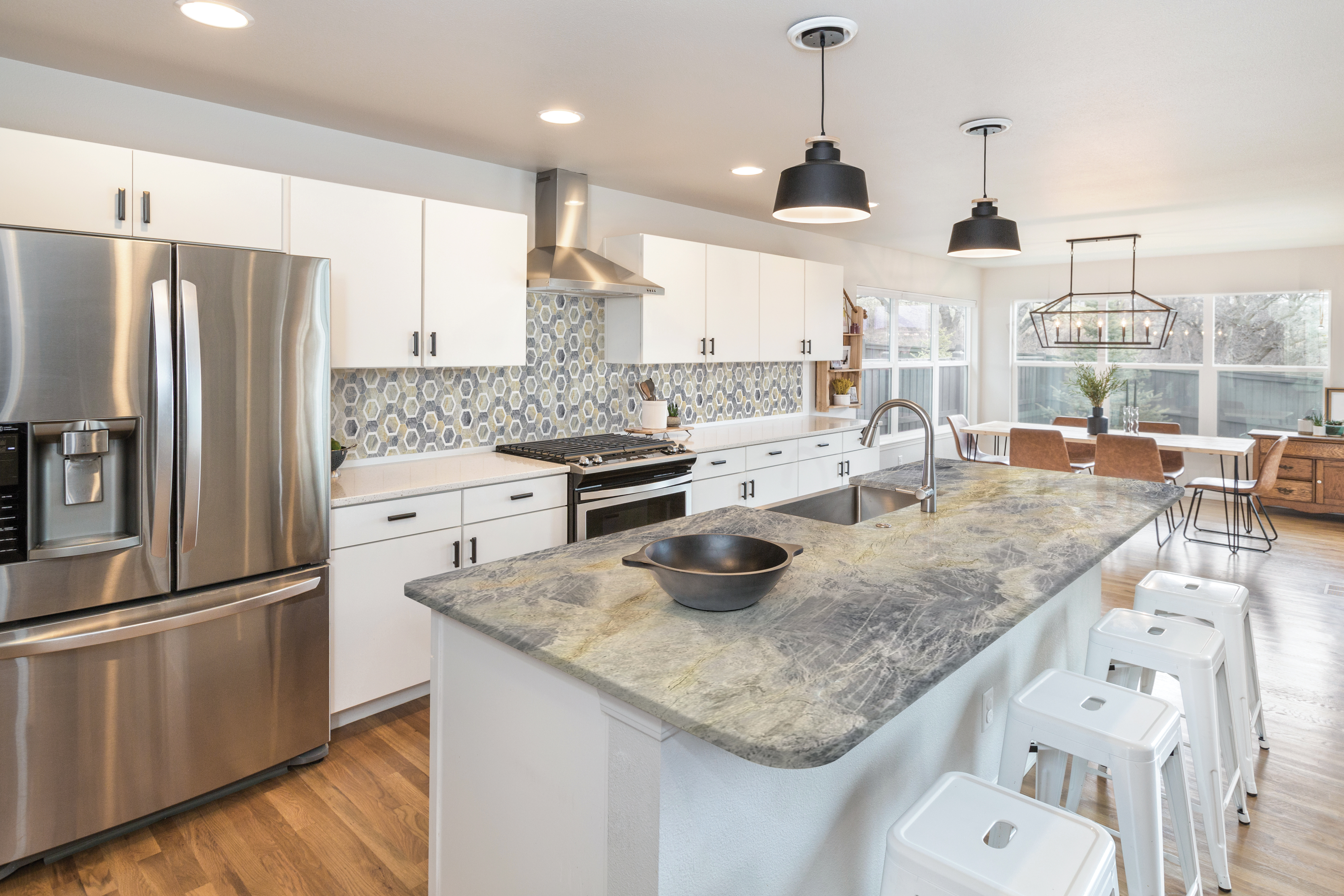
Large kitchen islands
-
Waterfall islands
-
Backsplashes
-
Worktops
-
Breakfast counters
-
Full-height splashbacks
For kitchens, slab selection is especially important because large surfaces can expose the full natural pattern of the material.
A dramatic marble with strong veining can become the primary design element of a kitchen, while a softer marble can provide an elegant background for cabinetry and other architectural elements.
Marble Countertops for Bathrooms
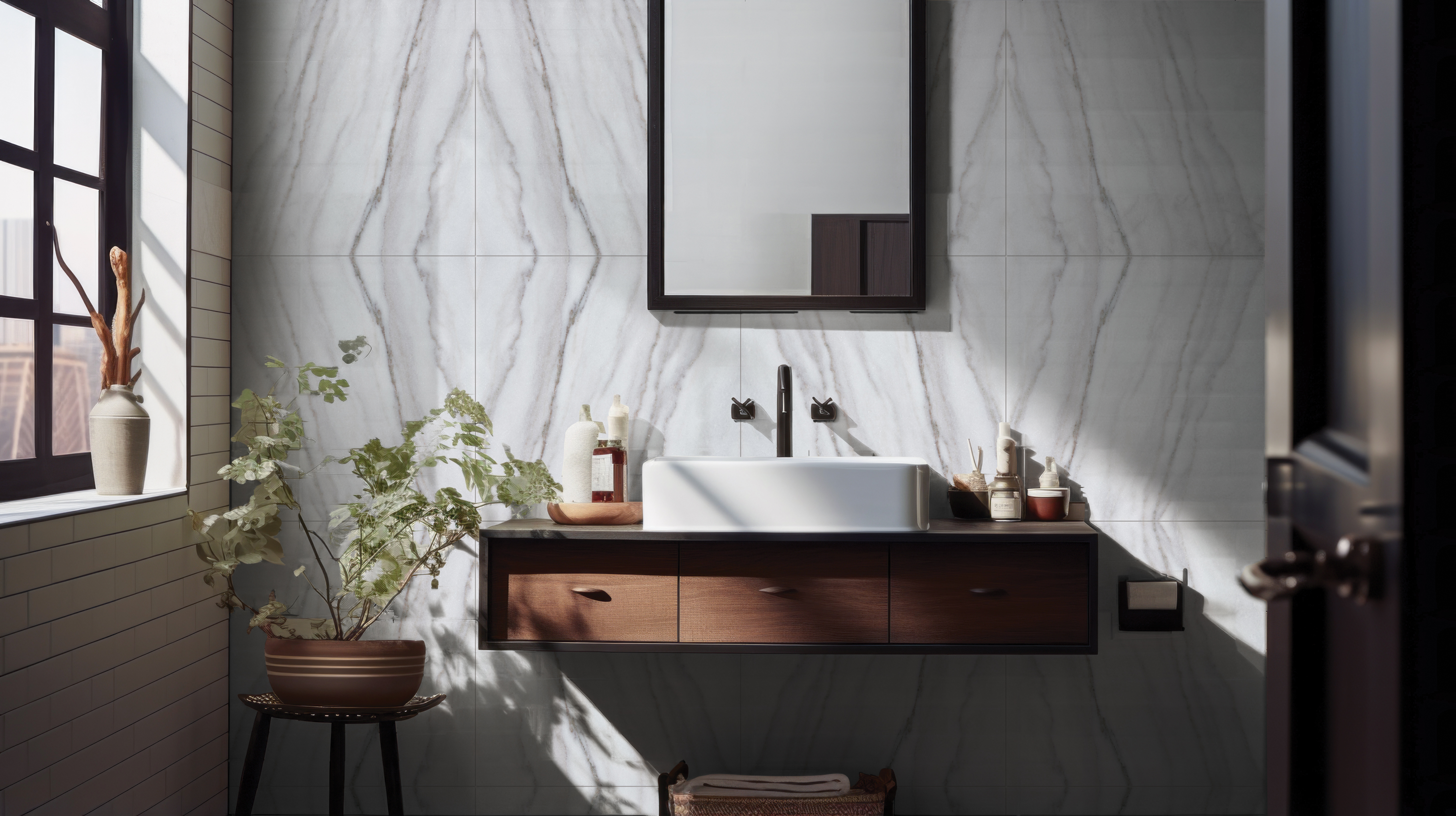
Marble is also widely used for bathroom countertops and vanity tops.
Compared with kitchen countertops, bathroom applications may have different usage patterns, but the material should still be selected according to moisture exposure, cleaning requirements, finish, and maintenance expectations.
White and light-colored marble can create a bright and spacious appearance, while darker marble can create a more dramatic luxury aesthetic.
Marble Countertops for Hotels and Commercial Projects
Marble countertops are not limited to residential applications.
They can also be specified for:
-
Hotel reception desks
-
Hotel bathrooms
-
Restaurant counters
-
Bar counters
-
Retail interiors
-
Office reception areas
-
Luxury residential developments
-
Commercial developments
For large projects, consistent supply, slab availability, quality control, packaging, logistics, and technical documentation become particularly important.
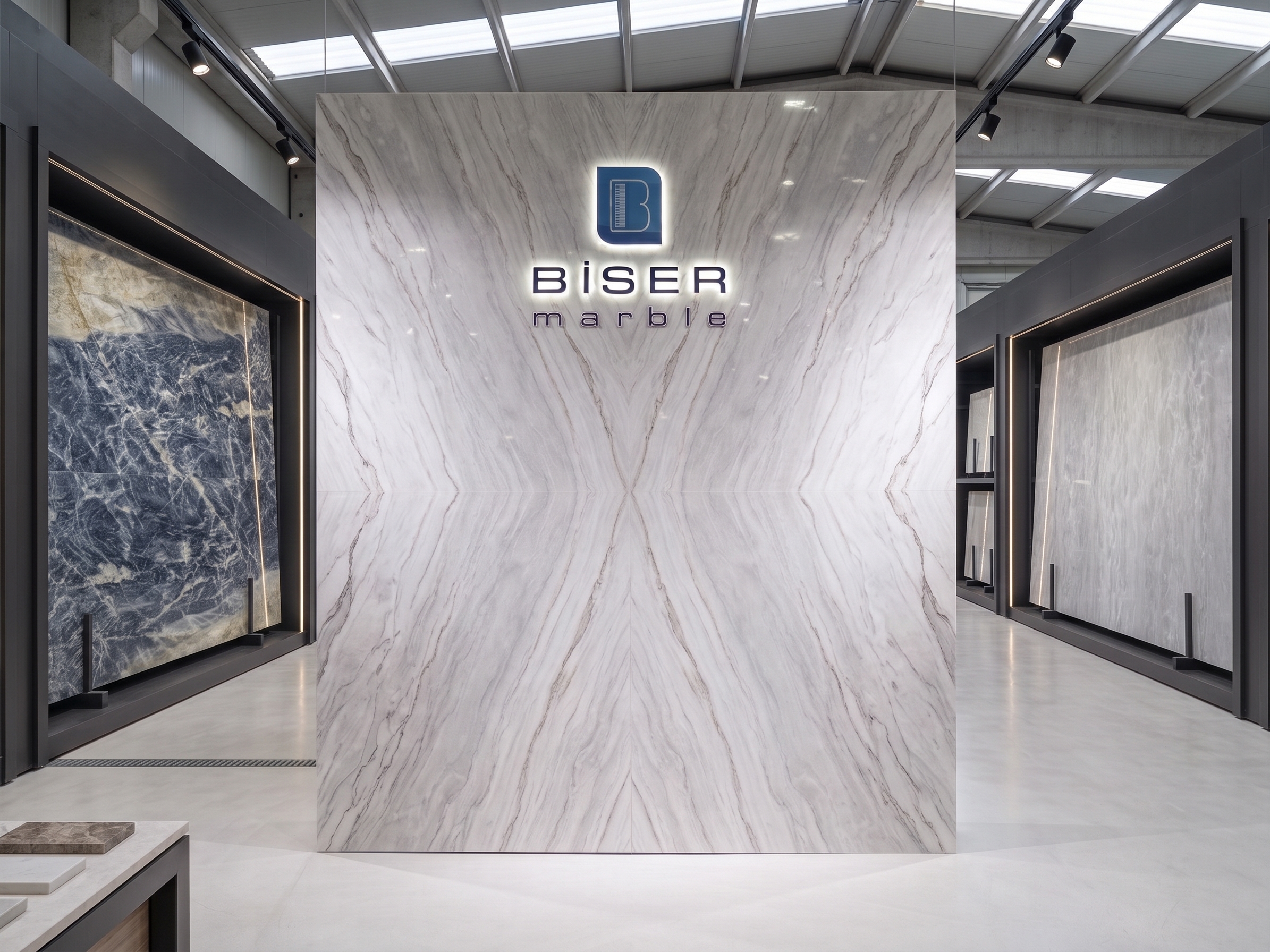
This is where working directly with an experienced marble manufacturer, quarry, or natural stone supplier can provide advantages for project-based procurement.
How Are Marble Slabs Selected for Countertops?
For professional projects, slab selection should be considered part of the design process.
The selection process may include:
-
Reviewing available marble varieties
-
Evaluating block and slab quality
-
Checking color and veining
-
Selecting suitable slab dimensions
-
Inspecting surface characteristics
-
Planning cutting layouts
-
Matching slabs where necessary
-
Confirming thickness and finish
-
Preparing fabrication drawings
-
Coordinating production and delivery
For large-scale projects, slab inventory and production planning are especially important because replacing a selected material after fabrication has started can create significant design and scheduling problems.
Marble Countertops and Natural Stone Sourcing
The origin of marble can be an important consideration for architects, designers, distributors, and importers.
Turkey is one of the world's important natural stone producing countries and has a wide range of marble resources.
Turkish marble is used in residential, hospitality, commercial, and architectural projects around the world.
For international buyers, choosing a reliable Turkish marble supplier involves evaluating more than the visual appearance of the stone.
Important factors include:
-
Quarry ownership or reliable quarry access
-
Block production capacity
-
Slab production capability
-
Quality control
-
Consistency of supply
-
Slab dimensions
-
Finishing options
-
Packaging
-
Export experience
-
Documentation
-
Logistics capability
A supplier capable of controlling the material from quarry to finished slab can provide better visibility throughout the supply chain.
Frequently Asked Questions About Marble Countertops
Are marble countertops good for kitchens?
Yes. Marble can be an excellent material for kitchen countertops when the owner understands its natural characteristics and follows appropriate maintenance practices. The specific marble variety, finish, sealing, usage, and care routine should all be considered.
Are marble countertops durable?
Marble is a durable natural stone, but it is relatively softer and more acid-sensitive than some alternative countertop materials. Proper selection, fabrication, installation, and maintenance are important for long-term performance.
What is the best marble for countertops?
There is no single best marble for every project. Carrara, Calacatta, Statuario, white, grey, black, and other marble varieties can all be suitable depending on the project's design and technical requirements.
Do marble countertops stain?
Marble can be susceptible to staining because natural stone has varying degrees of porosity. Appropriate sealing and prompt cleaning of spills can help reduce the risk.
Do marble countertops scratch?
Marble can scratch more easily than some harder countertop materials. Using cutting boards and avoiding abrasive materials can help protect the surface.
Should marble countertops be sealed?
Many marble countertops benefit from sealing, but the appropriate sealer and maintenance schedule depend on the specific stone, finish, and application. Professional advice should be obtained for the selected material.
Is white marble good for kitchen countertops?
White marble is a popular choice for kitchens because it creates a bright and elegant appearance. However, the specific marble's physical properties and maintenance requirements should be considered before selection.
What is the difference between polished and honed marble?
Polished marble has a glossy, reflective surface, while honed marble has a smoother, more matte appearance. The choice depends on the desired design and application.
How thick should a marble countertop be?
Common countertop thicknesses include 20 mm and 30 mm, but the appropriate thickness depends on the project design, structural requirements, fabrication method, and local standards.
How do I choose a marble supplier?
Look for a supplier with reliable access to quality blocks and slabs, consistent production, technical capabilities, quality control, export experience, and the ability to meet project-specific requirements.
Final Considerations: Is Marble Right for Your Countertop Project?
Marble countertops remain one of the most distinctive choices for kitchens, bathrooms, hospitality projects, and luxury interiors. Their natural veining, wide range of colors, and geological uniqueness make them particularly valuable when design character is a priority.
However, selecting marble should not be based on appearance alone. Marble type, slab quality, dimensions, thickness, finish, veining, technical characteristics, maintenance requirements, and supplier reliability should all be evaluated before purchase.
For architects, designers, contractors, distributors, and international buyers, working with an experienced marble supplier can simplify the process from material selection through production and delivery.
Whether the project requires subtle white marble, dramatic grey veining, dark marble, large-format slabs, or custom-cut natural stone, the right material begins with understanding the stone and selecting the right supplier.
Marble Countertops: Key Takeaways
-
Marble countertops provide a unique natural appearance.
-
Every natural marble slab has its own veining and character.
-
Carrara, Calacatta, Statuario, white, grey, and black marble are popular choices.
-
Polished and honed finishes create different visual effects.
-
Marble requires appropriate cleaning and maintenance.
-
Sealing can help protect marble from staining.
-
Slab selection is especially important for large islands and feature surfaces.
-
Price depends on marble type, origin, quality, dimensions, finish, fabrication, and installation.
-
For commercial projects, supplier reliability and consistent material availability are critical.
-
Turkish marble is an important option for international architectural and interior projects.
-
Choosing a marble supplier with quarry and production capabilities can improve supply-chain control.