Marble and Wood Harmony: Interior Design with Natural Materials
Marble and wood are two natural materials with distinct characteristics. When combined in interior design, however, they can create a balanced, warm and timeless atmosphere. The distinctive veining and mineral appearance of marble complement the organic texture and warmth of wood, making this combination suitable for both contemporary and classic spaces.
Marble and wood harmony is more than an aesthetic choice. The colours, textures, finishes and practical characteristics of both materials should be considered together to achieve a cohesive and functional interior. From kitchens and bathrooms to living rooms, hotels and restaurants, this pairing offers a versatile approach to natural material design.
Why Are Marble and Wood Used Together?
One of the main reasons marble and wood work so well together is the contrast between their visual characteristics. Marble often has a cool, smooth and mineral appearance, while wood introduces warmth, texture and an organic feel.
This contrast helps create visual balance. White or light grey marble paired with natural wood can produce a bright and understated interior. Dark marble combined with walnut or dark oak, on the other hand, can create a more dramatic and sophisticated atmosphere.
The main benefits of combining marble and wood include:
-
Natural character: Both materials feature distinctive patterns and textures.
-
Timeless appeal: Marble and wood can complement a wide range of interior styles.
-
Visual balance: The mineral character of marble contrasts with the warmth of wood.
-
Design flexibility: Light, dark, contrasting and tone-on-tone combinations are all possible.
-
Versatile applications: Both materials can be used in flooring, wall cladding, countertops, furniture and decorative details.
What to Consider When Choosing Marble and Wood
Creating a harmonious combination requires more than selecting colours that look good together. Texture, surface finish, intended application and natural lighting should also be taken into account.
1. Colour Coordination
Colour is one of the most important factors influencing the overall atmosphere of a marble and wood combination.
White marble and light wood: White marble works particularly well with oak, maple and other light wood tones. This combination creates bright, airy and understated interiors and is frequently used in Scandinavian and minimalist design.
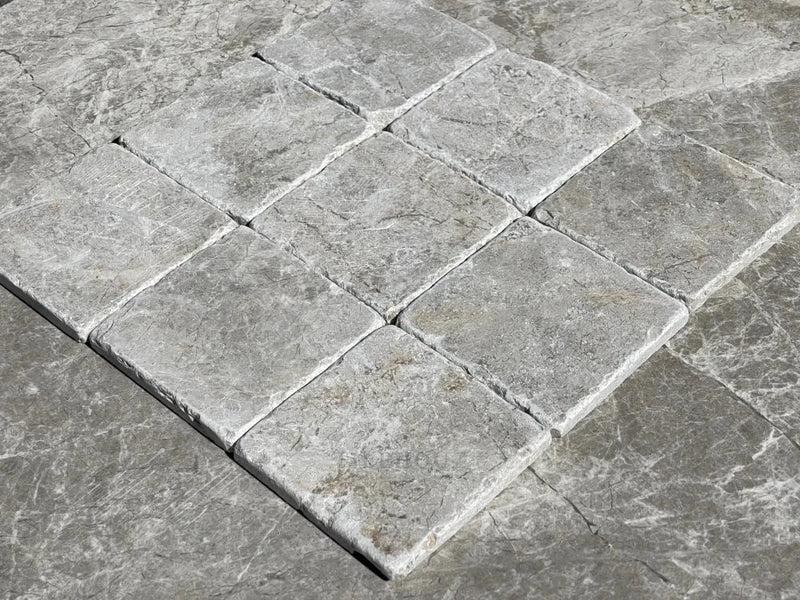
Grey marble and natural wood: Grey marble creates a balanced contrast with the warm tones of natural wood. It is suitable for contemporary, modern and industrial-inspired interiors.
Beige or cream marble and wood: Marble with warm undertones pairs naturally with oak, walnut and similar wood finishes. This combination is ideal for creating calm and welcoming spaces.
Dark marble and dark wood: Black or dark grey marble combined with walnut and other deep wood tones creates a bold and sophisticated appearance. Appropriate lighting and lighter accents can help prevent the interior from feeling too dark.
2. Balancing Textures and Patterns
The natural veining of marble and the grain patterns of wood give each material its own visual identity. When both surfaces have strong patterns, the overall design may become visually overwhelming.
For this reason, a marble with prominent veining can be paired with more understated wood surfaces. Conversely, marble with a relatively uniform appearance can work well alongside wood with more distinctive grain patterns.
The aim is to create a balanced relationship in which neither material overwhelms the other.
3. Surface Finishes
The finish of marble can significantly influence how it interacts visually with wood.
-
Polished finish: A smooth, reflective surface that highlights the stone's colours and veining. It can be used in both contemporary and classic interiors.
-
Honed finish: A matte or low-sheen surface that creates a softer appearance and pairs naturally with the texture of wood.
-
Textured finishes: Finishes such as brushed or leathered surfaces emphasise the natural character of the stone and can complement rustic or organic interiors.
Wood is also available in matte, satin and glossy finishes. The choice should reflect the overall design concept and the desired relationship between the two materials.
Where Can Marble and Wood Be Used Together?
With suitable material selection and installation details, marble and wood can be incorporated into a wide range of residential and commercial spaces.
Marble and Wood in Kitchen Design
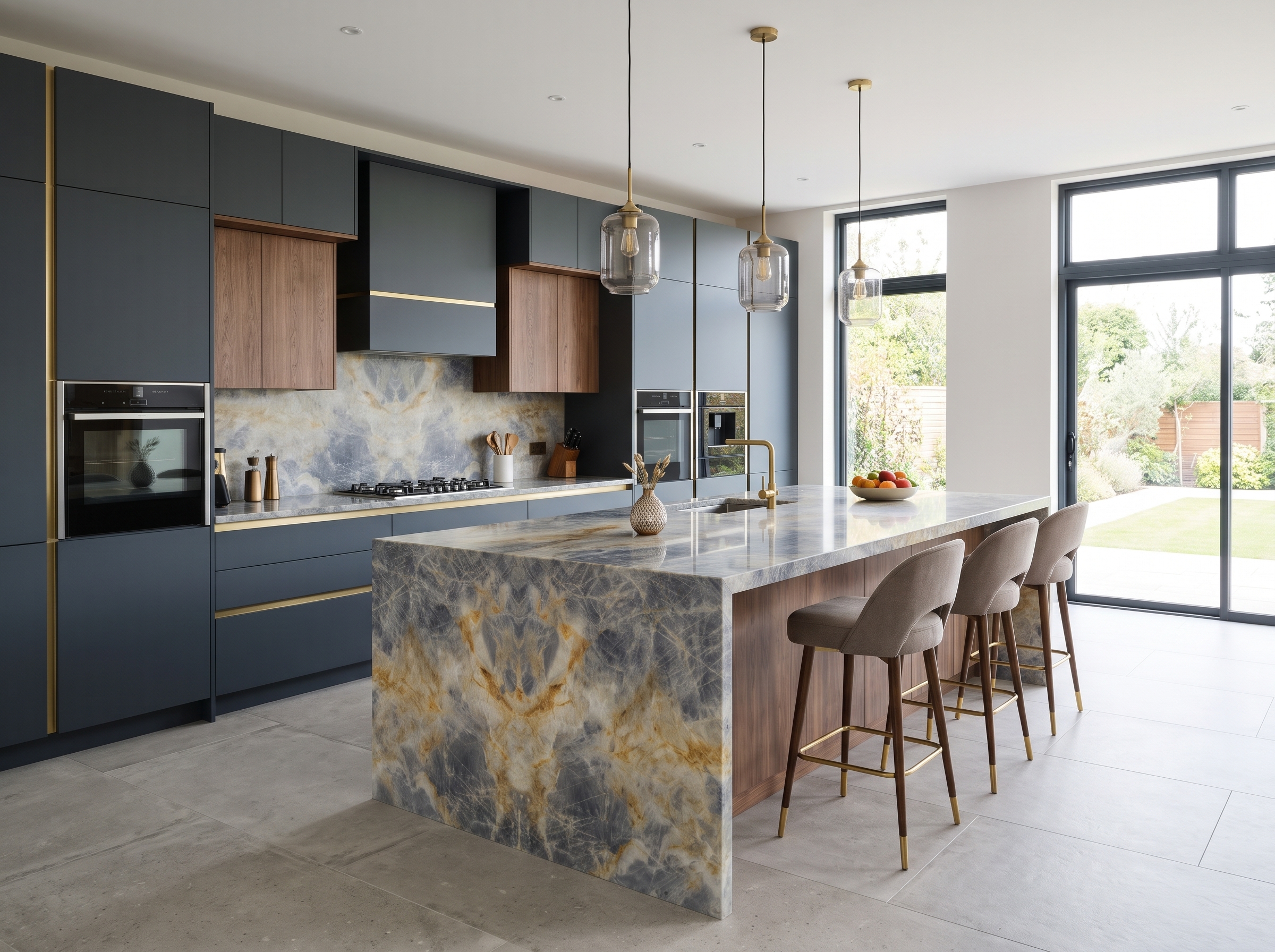
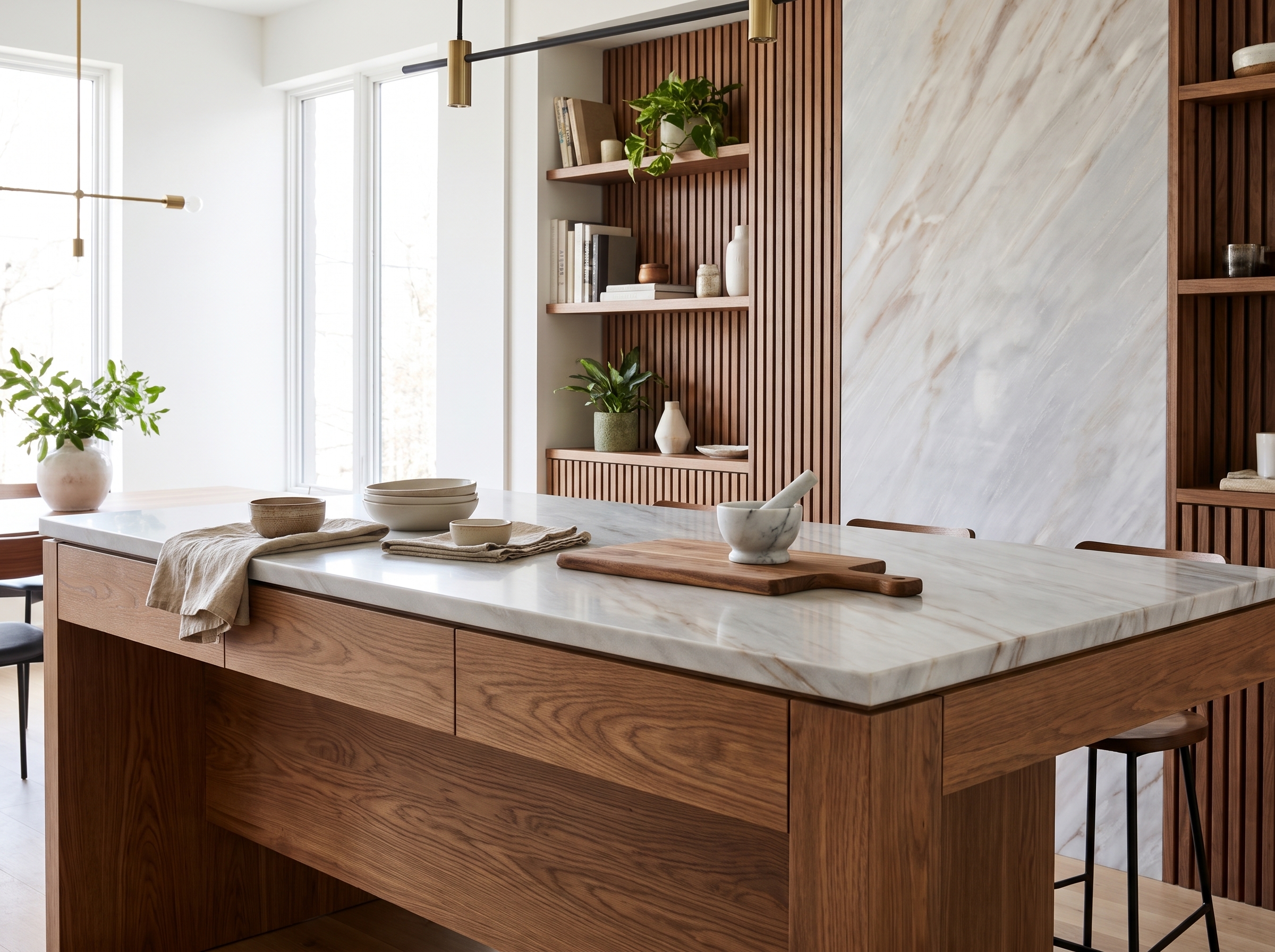
Kitchens are among the most popular spaces for combining marble and wood. Marble can be used for countertops, kitchen islands and backsplashes, while wood can introduce warmth through cabinet doors, shelving and furniture details.
For example, a white marble kitchen island paired with natural oak cabinetry creates a welcoming and contemporary look. Grey marble combined with walnut tones offers an alternative for interiors with a deeper colour palette.
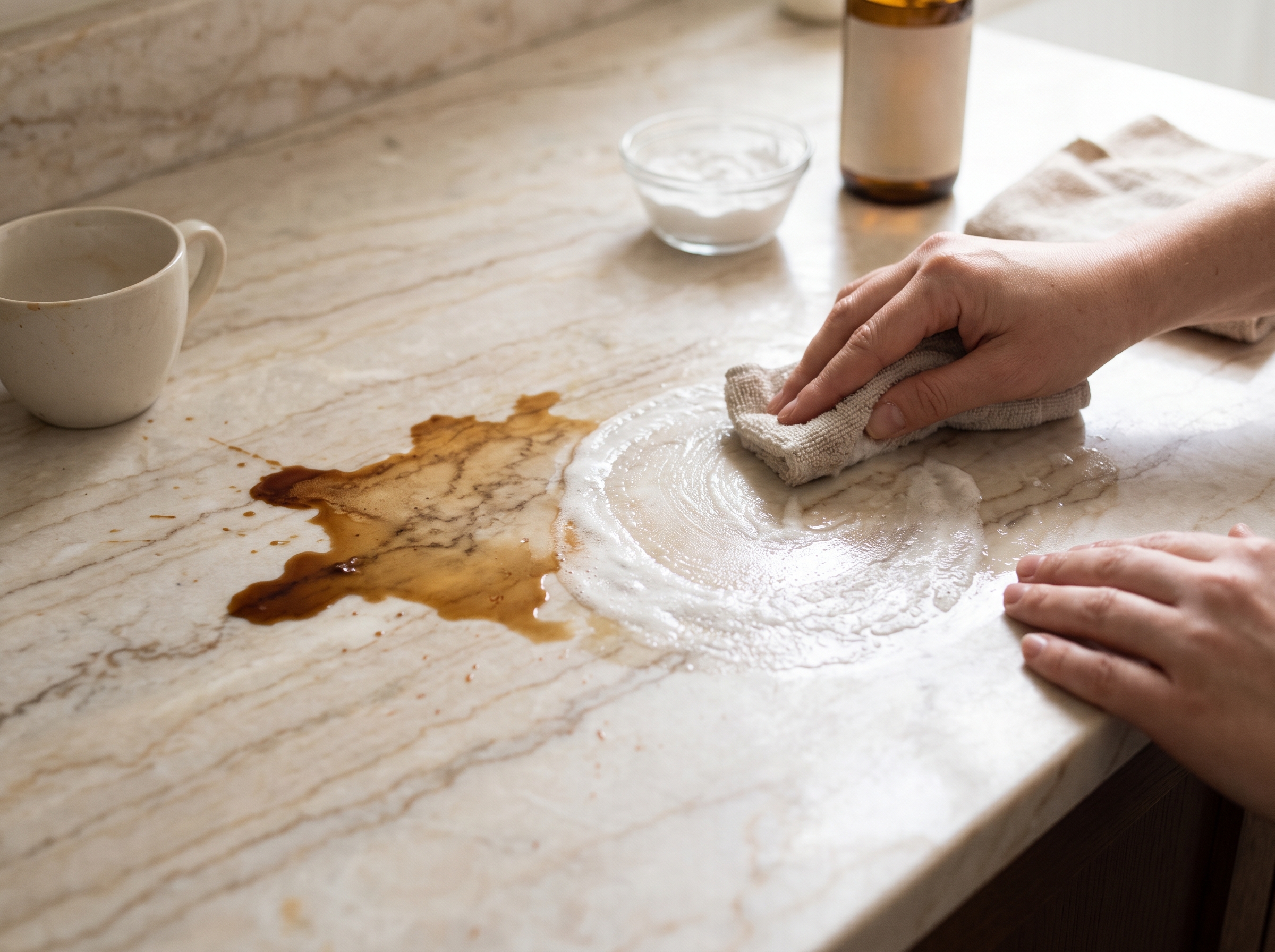
When selecting marble for kitchen applications, it is important to consider contact with acidic foods, staining and maintenance requirements. Due to its natural composition, marble can be affected by acidic substances such as lemon juice and vinegar, which may cause surface etching or dull spots.
Marble and Wood in Bathroom Design
The combination of marble and wood can create calm, spa-inspired bathroom interiors.
Marble can be used for vanity countertops, wall cladding, flooring and selected shower areas. Wood can be incorporated into bathroom cabinets, shelves and decorative details.
However, continuous exposure to moisture can cause swelling, deformation and surface damage in wood. Suitable wood species, protective treatments, installation details and ventilation should therefore be considered. In wet areas, the marble finish and slip resistance should also be evaluated carefully.
Natural Materials in Living Rooms
In living rooms, marble and wood can be combined through both large furniture pieces and smaller decorative elements.
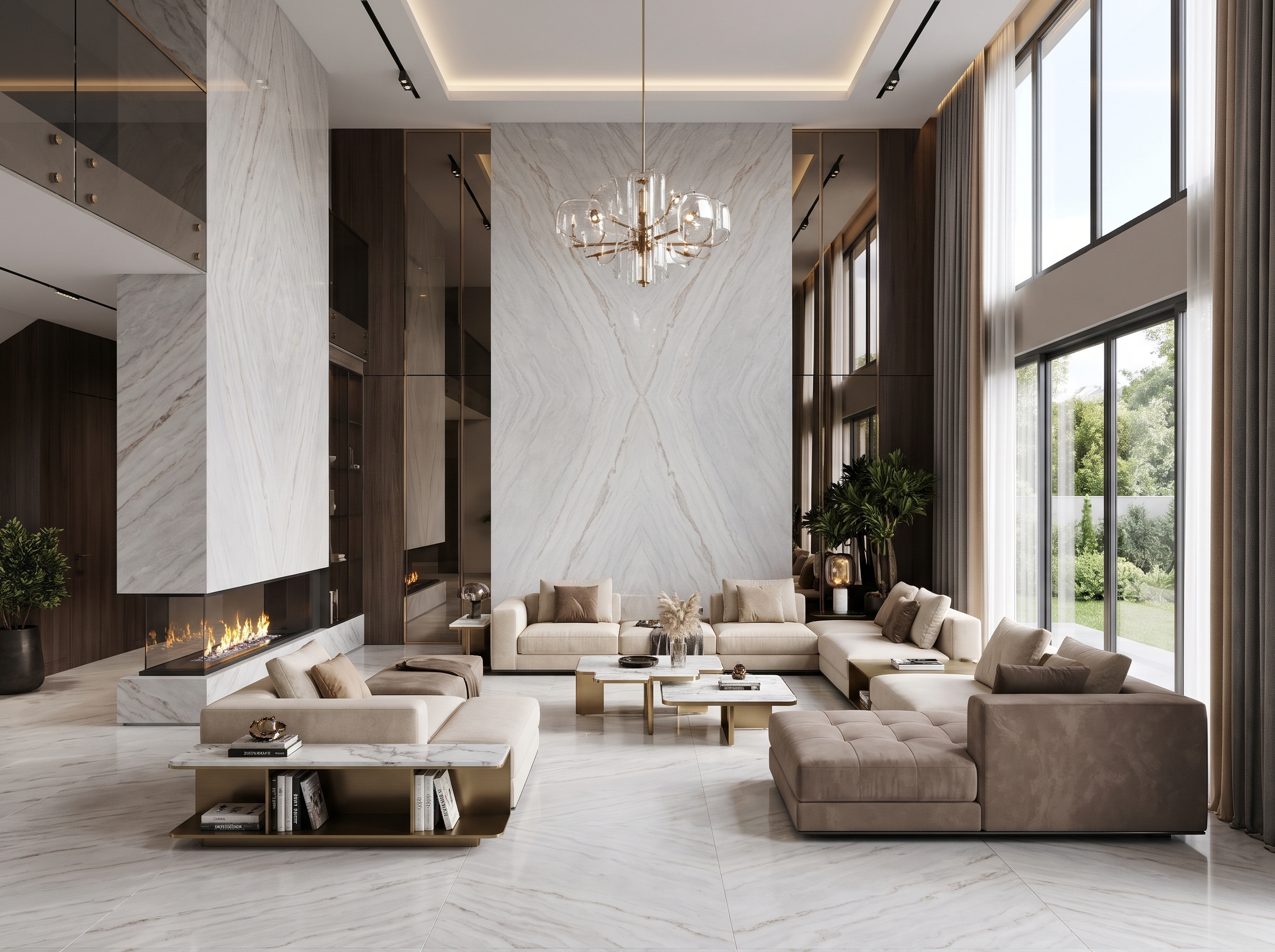
Marble coffee table tops, fireplace surrounds, wall panels and console surfaces can complement wooden furniture and flooring. In interiors with a restrained colour palette, the natural veining of marble can become a distinctive design feature.
Marble and Wood in Hotel and Restaurant Design
Marble and wood are also widely considered in commercial interiors such as hotel lobbies, restaurants, cafés and hospitality spaces.
Marble can be used for reception desks, bar counters, tabletops and wall cladding. Wood introduces warmth through seating areas, wall panels, table bases and furniture.
In commercial projects, appearance should be considered alongside foot traffic, cleaning frequency, impact exposure and long-term maintenance requirements.
Marble and Wood Combinations for Different Interior Styles
| Interior style | Marble selection | Wood selection | Overall atmosphere |
|---|---|---|---|
| Minimalist | White or light grey marble | Light oak | Simple and airy |
| Modern | Grey or veined marble | Walnut or oak | Balanced and contemporary |
| Classic | White or cream marble with distinctive veining | Dark walnut | Elegant and sophisticated |
| Scandinavian | Light marble with subtle patterns | Pale natural wood | Bright and natural |
| Rustic | Textured, natural-looking marble | Wood with prominent grain | Warm and organic |
| Industrial | Grey or dark marble | Dark natural wood | Bold and distinctive |
Common Mistakes to Avoid When Combining Marble and Wood
Although marble and wood can create attractive interiors, certain design choices may disrupt the overall balance.
Using too many prominent patterns: Combining heavily veined marble with strongly grained wood can make a space feel visually busy.
Ignoring colour undertones: Cool-toned marble can be paired with warm wood, but the transition should be balanced through furniture, wall colours and lighting.
Choosing materials without considering the application: Not every type of marble performs in the same way in every setting. Similarly, not all wood species are suitable for humid or heavily used areas.
Overlooking maintenance requirements: Marble's sensitivity to acids and wood's response to moisture should be considered when selecting materials.
Neglecting lighting: Insufficient lighting can make combinations of dark marble and dark wood feel heavier and make a room appear smaller.
How to Maintain Marble and Wood Surfaces
Marble and wood have different physical characteristics and therefore require different maintenance methods.
For everyday marble care, use suitable pH-neutral, non-abrasive cleaning products. Lemon juice, vinegar and other acidic substances can cause dulling or etching on marble surfaces. Wiping up spills promptly can help reduce the risk of staining.
Wood surfaces should be cleaned with products suitable for their specific finish. Excessive water should be avoided, as moisture can affect the material. Direct sunlight, high humidity and sudden temperature changes may also influence the appearance and physical properties of wood.
Whether marble requires an impregnating sealer depends on its porosity and intended use. Sealers can help reduce liquid absorption, but they do not make marble resistant to acid etching.
Frequently Asked Questions About Marble and Wood Harmony
Can marble and wood be used together?
Yes. Marble and wood can be combined in kitchens, bathrooms, living rooms, hotels and restaurants when their colours, textures and finishes are selected carefully.
Which wood colours go well with white marble?
White marble works well with light oak, walnut, maple and darker wood tones. Light wood creates a bright and airy appearance, while darker wood introduces stronger contrast.
Does grey marble go well with wood?
Yes. Grey marble pairs particularly well with natural wood tones such as oak and walnut. The warmth of wood can soften the cooler appearance of grey stone.
Can marble and wood be used in bathroom design?
Yes. Marble can be used for walls, floors and vanity countertops, while wood can be incorporated into cabinets and shelving. Moisture-resistant material selection, appropriate protection and proper ventilation are important.
Is the combination of marble and wood suitable for modern interiors?
Absolutely. Marble with subtle veining, streamlined wooden furniture and a neutral colour palette can create elegant modern and minimalist interiors.
Conclusion: Creating Timeless Interiors with Natural Materials
Although marble and wood have different visual and physical characteristics, they can create a strong design relationship when used together. The natural veining and mineral texture of marble complement the warmth and organic appearance of wood, giving interiors a distinctive identity.
With careful consideration of colour, texture, finish and application, this combination can work beautifully in both contemporary and classic spaces. Biser Marble offers natural stone options for projects seeking to incorporate the distinctive colours and veining of marble into interior design.