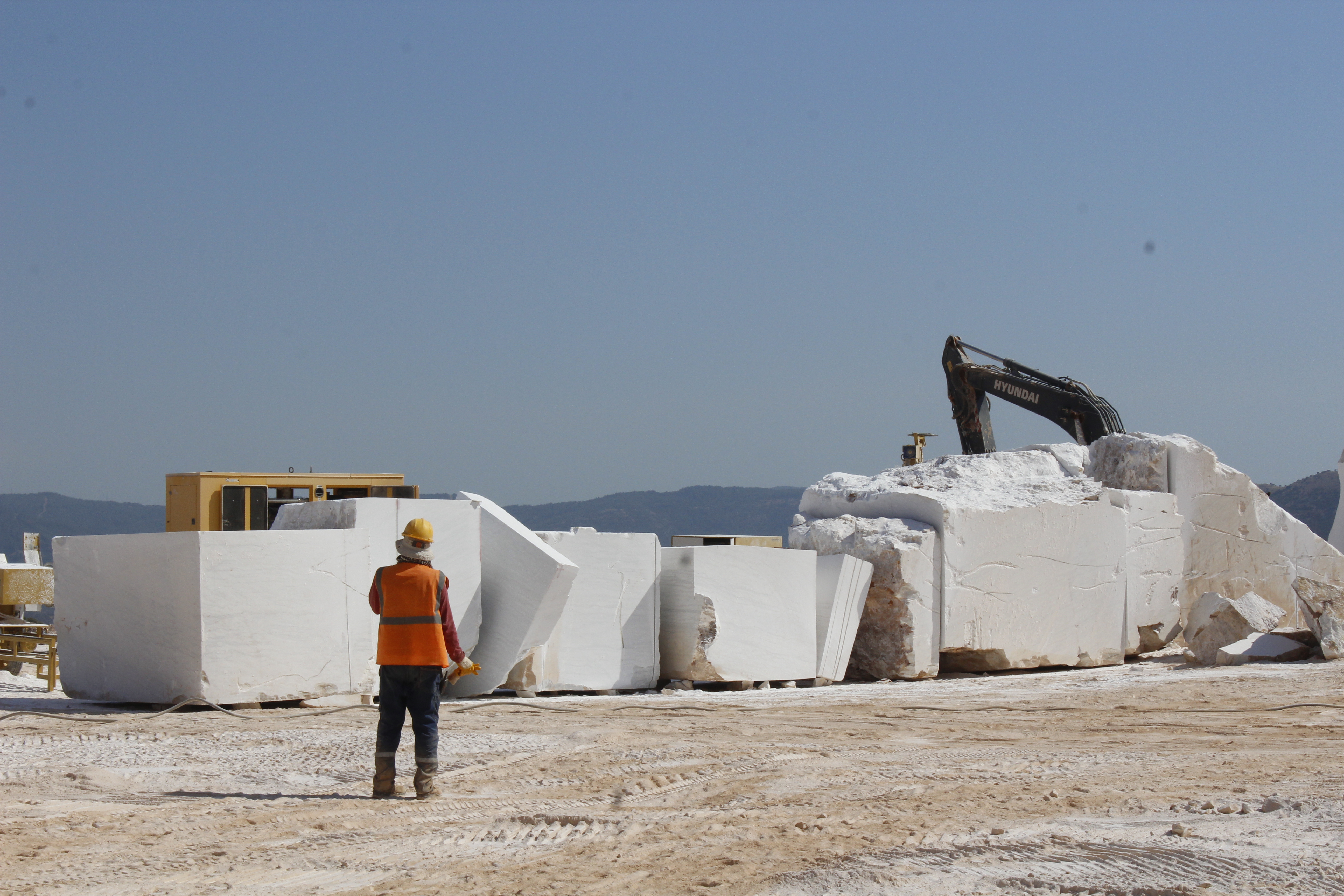
How to Identify a High-Quality Marble Block?
Marble is one of nature's most valuable natural stones, formed over millions of years through geological processes. However, not every marble block offers the same level of quality. Selecting a high-quality marble block is essential for achieving superior aesthetics, durability, and processing efficiency in architectural, commercial, and export projects. Whether the marble will be transformed into slabs, tiles, or custom-cut products, the quality of the original block directly influences the final result.
In this guide, you'll learn how to identify a high-quality marble block, the key factors to evaluate during selection, and the criteria professional marble producers use when assessing natural stone blocks.
What Is a High-Quality Marble Block?
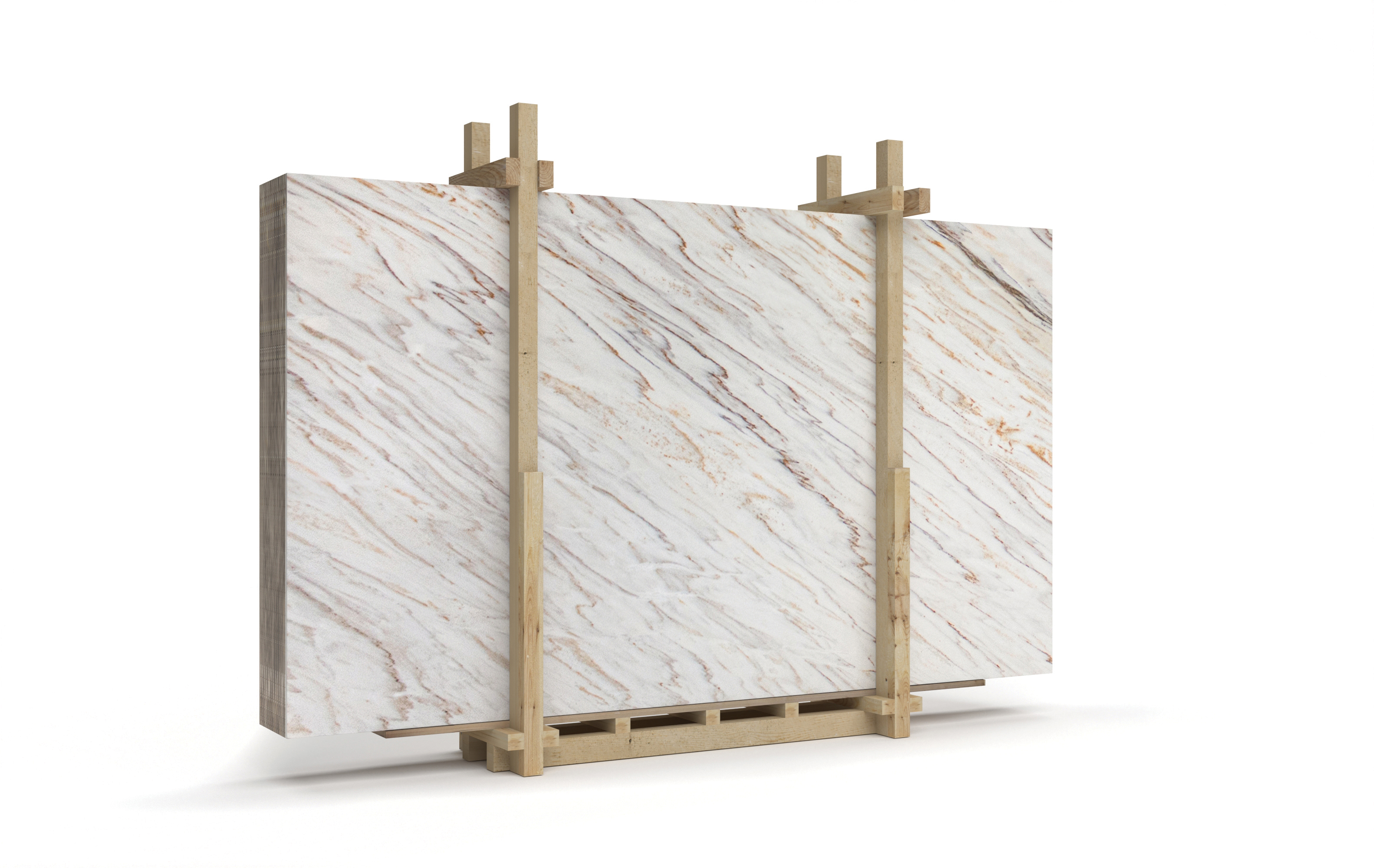
A high-quality marble block is a natural stone block that preserves its structural integrity, contains minimal natural defects, delivers high processing efficiency, and maintains its aesthetic appearance for many years.
Quality is determined by much more than the external appearance. The internal structure, physical properties, and workability of the stone are equally important.
The main quality indicators include:
-
Consistent color throughout the block
-
Balanced and attractive veining
-
Minimal cracks and natural defects
-
Strong internal structure
-
High slab yield
-
Standard block dimensions
-
Excellent workability
Color Consistency Is One of the Most Important Factors
One of the first characteristics professionals evaluate is color consistency.
In premium marble blocks, natural color variations are subtle and harmonious rather than abrupt. Slabs produced from the same block should display similar tones, which is particularly important for large architectural projects requiring visual continuity.
Blocks with excessive color variation may lead to:
-
Inconsistent project appearance
-
Increased material waste
-
Visible shade differences after installation
For this reason, experienced marble producers place great emphasis on color consistency during block selection at the quarry.
Veining Should Be Balanced and Natural
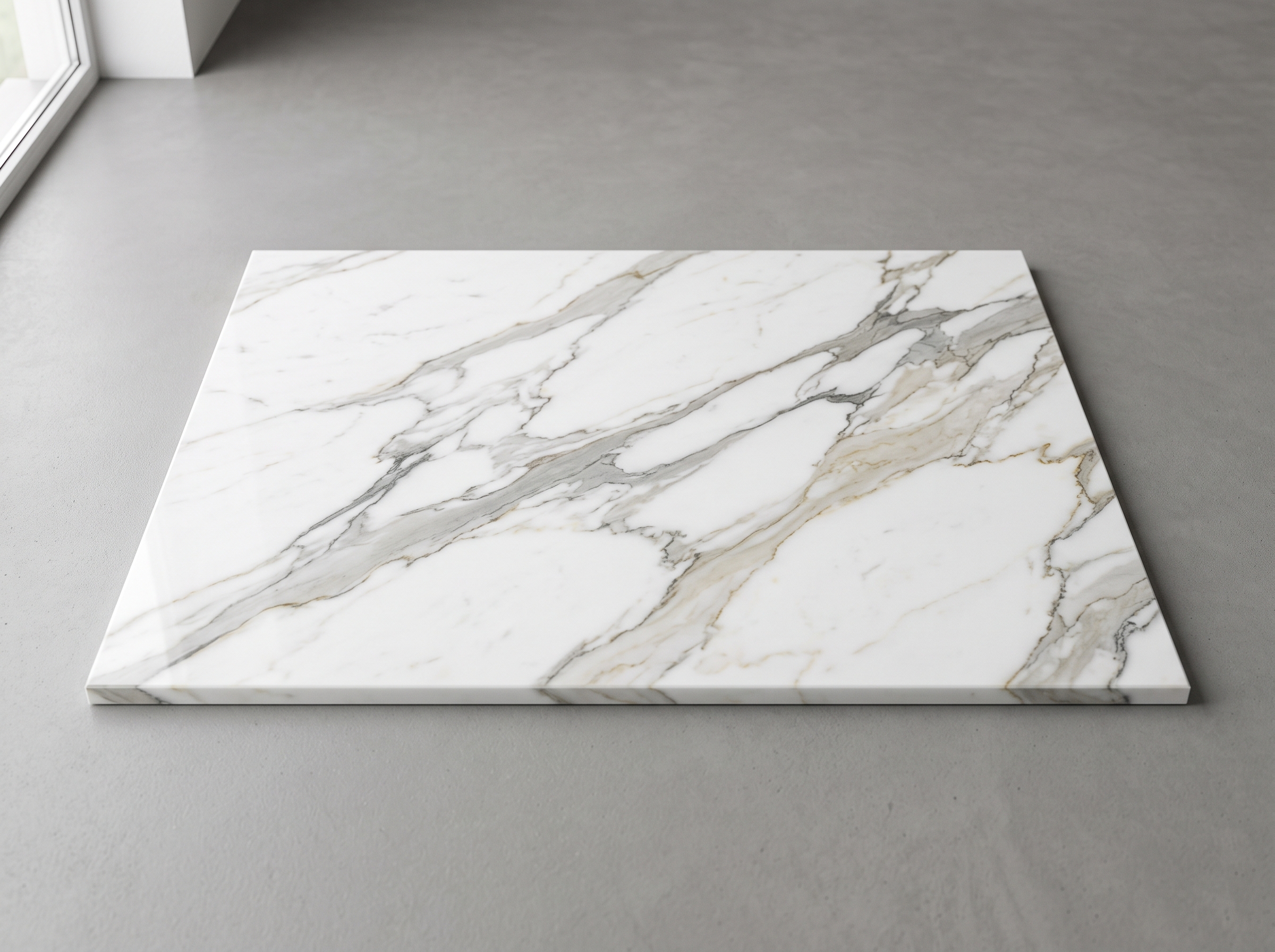
Natural veining is what gives marble its distinctive beauty. However, in a quality marble block, the veining should not only be visually appealing but also structurally suitable for processing.
Irregular, heavily fractured, or sharply changing vein patterns can create challenges during cutting and fabrication.
High-quality marble blocks typically offer:
-
Elegant, naturally balanced veining
-
Easy determination of cutting direction
-
Excellent suitability for bookmatching
-
Continuous vein patterns across large slabs
Consistent veining is especially desirable for luxury residences, hotels, commercial buildings, and prestigious architectural projects.
Cracks and Natural Defects Must Be Carefully Inspected
Every natural stone contains unique geological characteristics. However, the number and severity of structural defects have a direct impact on quality.
Common defects that should be evaluated include:
-
Open cracks
-
Hairline fractures
-
Voids and cavities
-
Broken sections
-
Vein separations
-
Weak structural layers
These imperfections can increase production waste while reducing the durability and performance of the finished product.
Premium marble blocks contain these defects only at minimal levels.
Block Dimensions and Geometry Affect Production Efficiency
The more regular the geometry of a marble block, the higher the production efficiency.
Properly squared blocks provide several advantages:
-
Easier transportation
-
Greater stability during cutting
-
Higher slab production yield
-
Faster processing
-
Reduced material waste
For this reason, professional quarry operators prepare marble blocks according to internationally accepted dimensional standards whenever possible.
Physical Performance Tests Confirm Quality
Visual inspection alone is not sufficient to determine marble quality. Laboratory testing provides valuable information about the stone's physical performance.
The following properties are commonly evaluated:
| Test | Purpose |
|---|---|
| Compressive Strength | Measures structural load-bearing capacity. |
| Water Absorption | Lower values indicate better long-term durability. |
| Density | Provides insight into the stone's overall strength. |
| Flexural Strength | Evaluates performance in thin slabs. |
| Abrasion Resistance | Indicates suitability for high-traffic areas. |
For international projects, these technical test results are often mandatory components of project specifications.
Why Is Block Yield So Important?
The true value of a marble block is measured not only by its weight but also by the amount of usable material obtained after processing.
High-yield marble blocks provide:
-
Greater slab production
-
Lower waste rates
-
Reduced manufacturing costs
-
Increased competitiveness in export markets
Professional producers therefore evaluate both the appearance and the expected recovery rate before purchasing or processing a block.
Sourcing Marble from a Reliable Quarry Matters
The experience and production capabilities of the supplier play a major role in overall product quality.
Companies operating their own quarries can generally provide:
-
Better-controlled block selection
-
Consistent quality standards
-
Reliable long-term supply
-
Continuous availability of matching blocks for large projects
For major architectural developments and export orders, maintaining consistent quality across multiple shipments is one of the most important factors for project success.
Conclusion
Selecting a high-quality marble block is one of the most critical steps in ensuring the success of any natural stone project. Color consistency, balanced veining, minimal cracking, proper block geometry, strong physical performance, and high production yield should all be evaluated together.
Blocks sourced from reliable quarries offer higher production efficiency, lower waste rates, and longer-lasting finished products. For this reason, purchasing decisions should be based not only on price but also on long-term quality and performance.
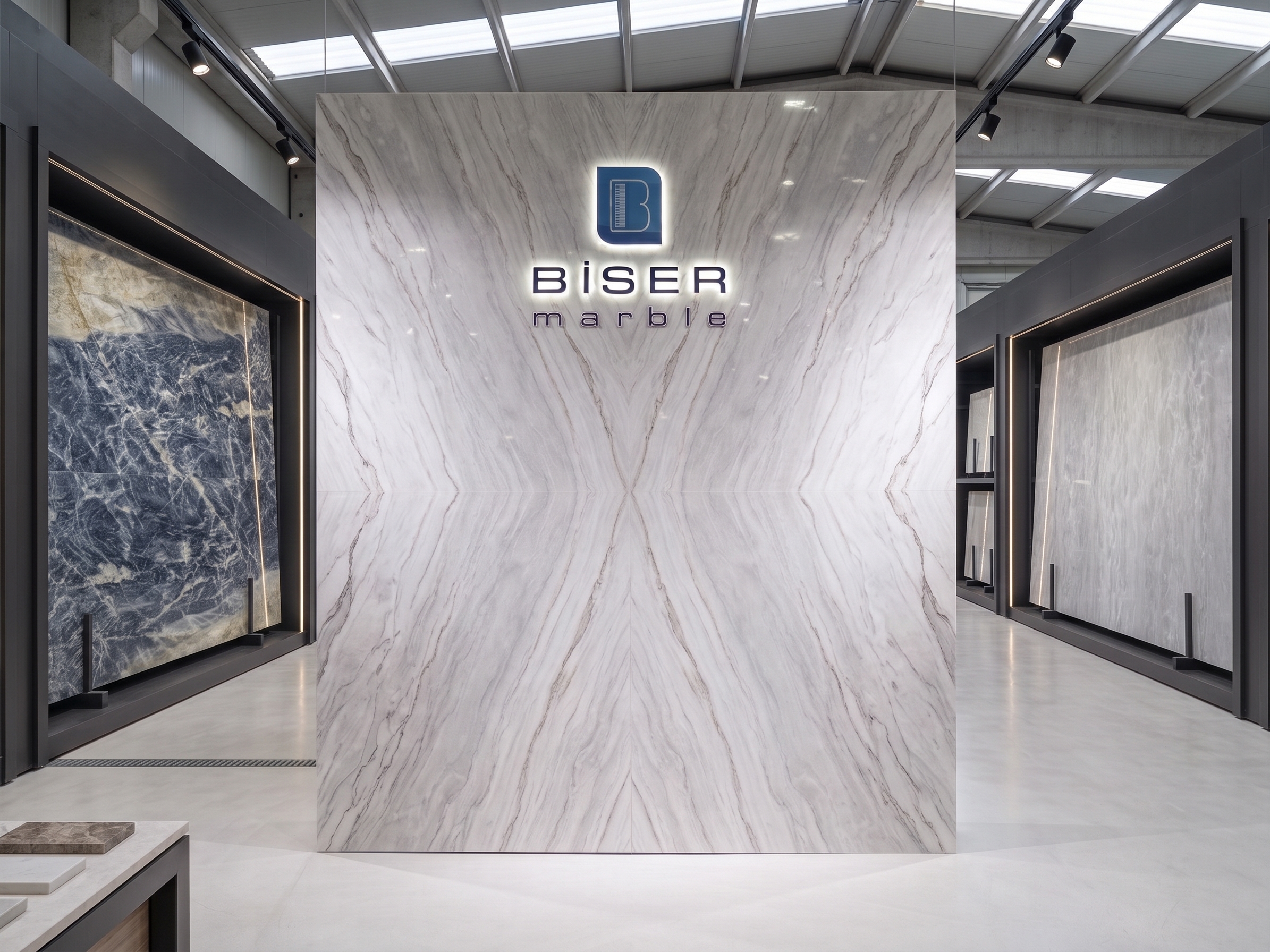
At Biser Marble, we carefully extract natural stone from our own marble quarry in İzmir, Türkiye, and apply rigorous quality control throughout every stage of production. Our premium marble blocks are selected to meet international quality standards, providing architects, designers, distributors, and project developers with reliable materials that combine exceptional aesthetics, processing efficiency, and long-term supply consistency for projects around the world.