How to Clean Marble: Best Cleaning Methods and What to Avoid
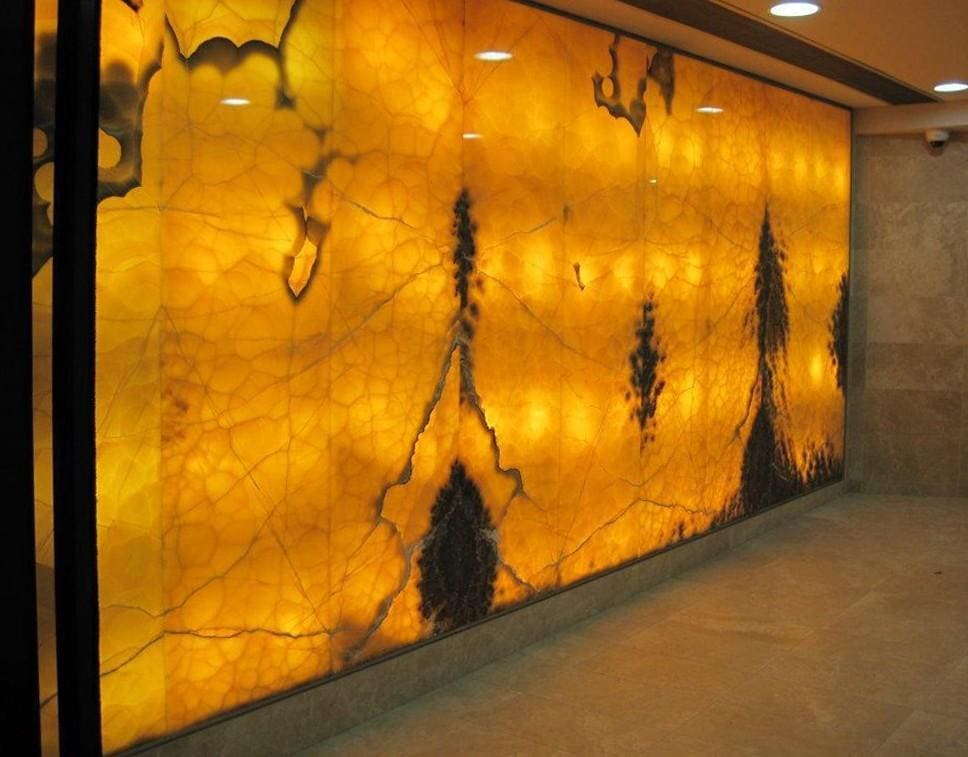
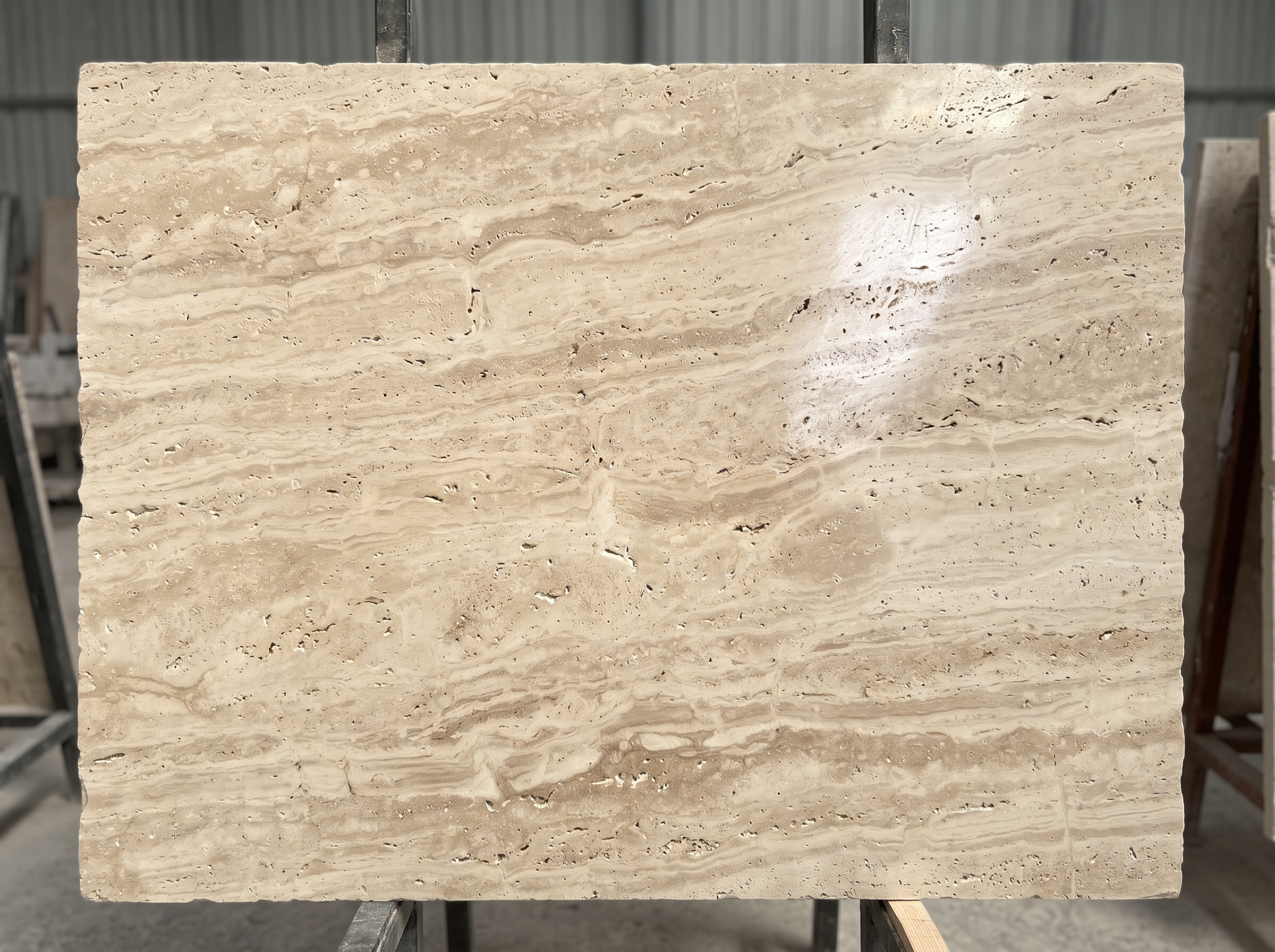
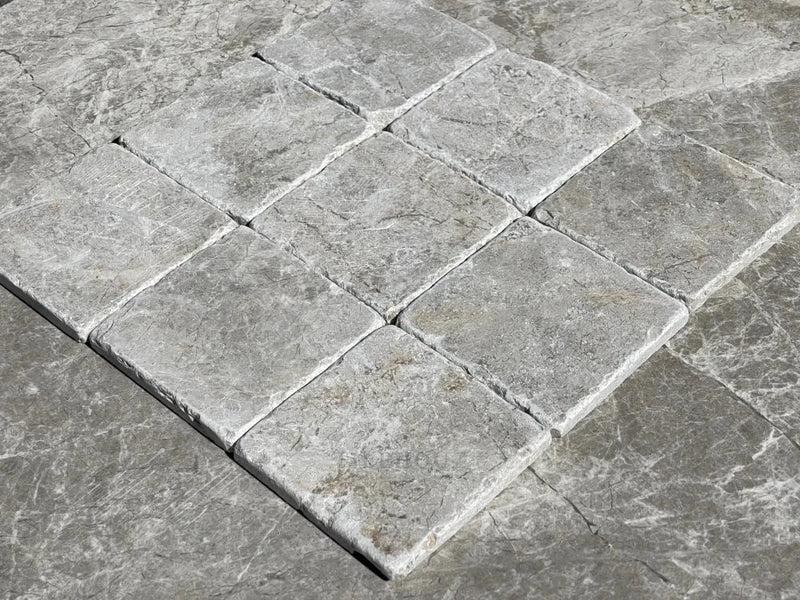
Marble is one of the most popular natural stones in architecture and interior design, valued for its distinctive veining, elegant appearance and timeless character. From flooring and kitchen countertops to bathroom surfaces, staircases and wall cladding, marble is used in a wide variety of residential and commercial applications.
However, maintaining the natural beauty of marble requires proper cleaning and care. Unlike many conventional surfaces, marble is sensitive to acidic substances because one of its main components is calcium carbonate. Common household products such as vinegar, lemon juice, limescale removers and certain chemical cleaners can cause etching, dullness and permanent surface damage.
So how should you clean marble? How can marble stains be removed? What causes yellow stains on marble? Which cleaning products should never be used on marble surfaces?
In this guide, we explain the best marble cleaning methods, how to deal with different types of stains, which products to avoid and how to protect marble surfaces for long-term performance.
Why Does Marble Require Special Cleaning and Maintenance?
Marble is a metamorphic natural stone formed through geological processes involving heat and pressure. It consists primarily of calcite, a mineral that reacts with acidic substances.
During everyday use, marble surfaces may be exposed to various substances and environmental factors, including:
-
Coffee, tea and fruit juice spills
-
Cooking oil and food residues
-
Soap and cosmetic products
-
Hard water deposits and mineral stains
-
Dust, sand and everyday dirt
-
Inappropriate cleaning chemicals
-
Abrasive sponges and cleaning equipment
Over time, these factors may cause marble to lose its natural shine, develop stains or suffer damage to its polished surface.
Proper marble cleaning is therefore important not only for maintaining its appearance but also for protecting the surface and extending its service life.
How to Clean Marble Properly
The most important principle of marble cleaning is to use products and equipment that are compatible with the stone's chemical and physical properties.
For everyday maintenance, a pH-neutral cleaner specifically formulated for natural stone, combined with soft cleaning materials, is generally sufficient.
1. Remove Dust and Loose Dirt
Before cleaning marble, remove accumulated dust, sand and other loose particles from the surface.
Recommended practices include:
-
Use a soft microfibre cloth.
-
Choose a soft mop for marble flooring.
-
Remove sand and hard particles before wiping the surface.
-
Avoid stiff brushes and abrasive cleaning equipment.
This step is particularly important for marble floors, as small particles can cause scratches when dragged across the surface.
2. Use a pH-Neutral Marble Cleaner
Choosing the right cleaning product is one of the most important aspects of marble maintenance.
Use pH-neutral cleaning products specifically designed for natural stone surfaces. These products help remove everyday dirt while being formulated to minimise the risk of chemical damage.
Follow these steps:
-
Prepare the cleaning solution according to the manufacturer's instructions.
-
Use a soft cloth or microfibre mop.
-
Gently wipe the marble surface.
-
Rinse with clean water if required by the product instructions.
-
Remove any remaining moisture using a clean, dry cloth.
Avoid allowing cleaning products to remain on the marble surface longer than recommended.
3. Dry the Surface After Cleaning
Drying is an often-overlooked part of marble cleaning.
Water droplets left on marble surfaces may lead to mineral deposits and water spots, particularly in areas with hard water.
After cleaning, use a soft microfibre cloth to dry the surface. This helps maintain a cleaner and more uniform appearance.
4. Clean Marble Regularly
Regular maintenance helps prevent dirt and stains from accumulating.
Frequently used surfaces, such as kitchen countertops, bathroom vanities and flooring, should be cleaned daily or according to their usage frequency.
How to Remove Different Types of Marble Stains
The appropriate stain-removal method depends on the substance causing the stain and the characteristics of the marble surface.
Not all stains can be treated in the same way. Using an unsuitable cleaning product may spread the stain or damage the stone.
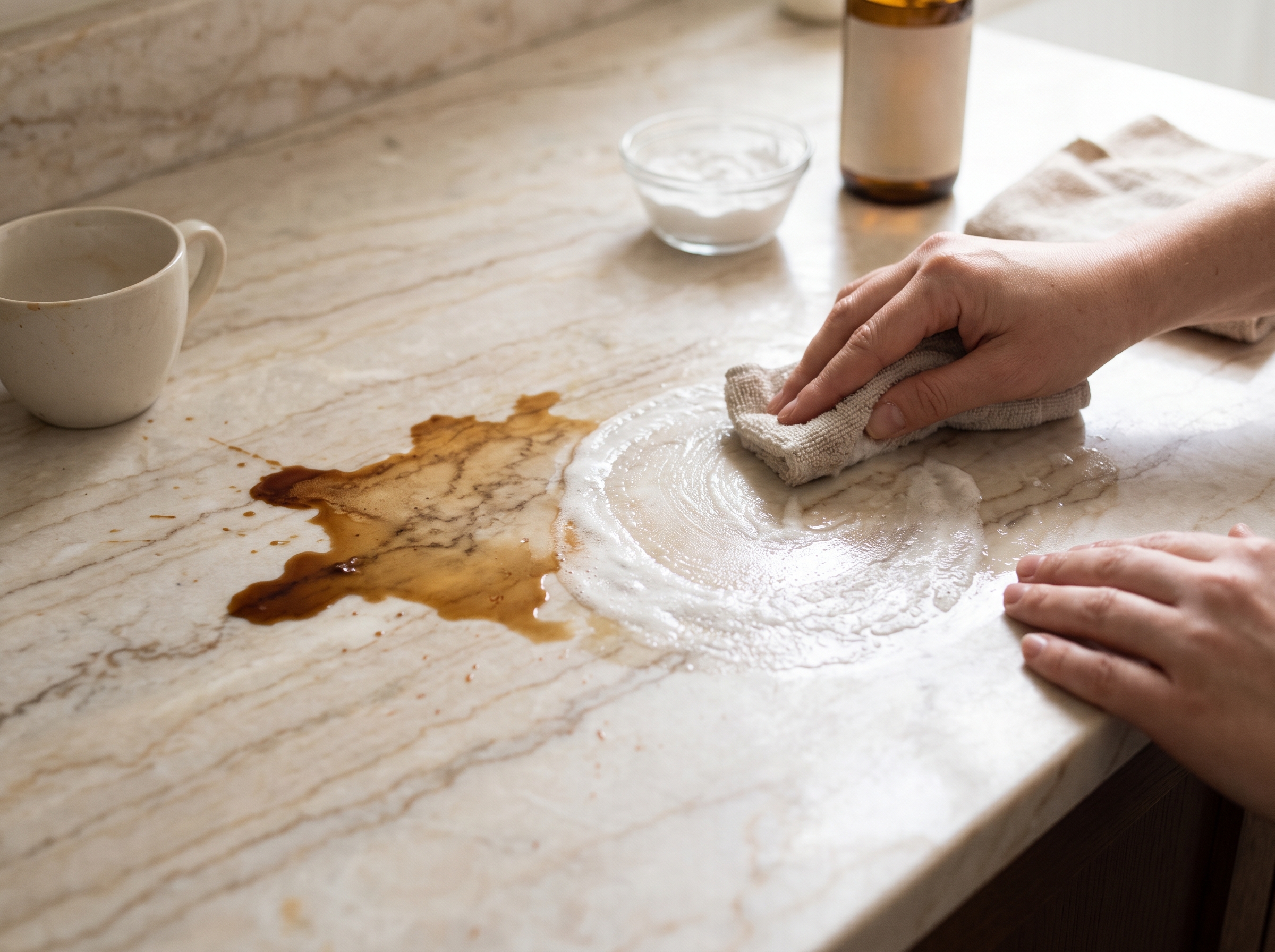
How to Remove Coffee and Tea Stains from Marble
Coffee and tea can leave visible marks on marble surfaces, particularly on lighter-coloured varieties.
To clean these stains:
-
Blot the spilled liquid immediately with an absorbent cloth.
-
Avoid rubbing, as this may spread the stain.
-
Use a pH-neutral cleaner suitable for natural stone.
-
Follow the product instructions and dry the surface.
If the stain has penetrated the pores of the stone, ordinary surface cleaning may not be sufficient. In such cases, professional stain-removal treatments designed for marble may be required.
How to Remove Oil Stains from Marble
Oil stains can penetrate the porous structure of marble and create darker areas on the surface.
These stains are particularly common on kitchen countertops.
Specialist natural stone oil removers can be used to address this problem. One common professional method involves absorbent cleaning poultices, which help draw certain stains out of the stone.
Before application, ensure that the product is suitable for the specific marble type and follow the manufacturer's instructions.
How to Remove Water Stains and Limescale from Marble
Water stains and mineral deposits can develop on marble surfaces in bathrooms, showers and around sinks.
Using vinegar or conventional limescale removers is not recommended because acidic products can cause chemical etching.
Instead, use non-acidic cleaning products specifically formulated for natural stone. Drying the surface after use can also help reduce mineral deposit formation.
How to Remove Ink Stains from Marble
Ink stains can be difficult to remove, depending on the type of ink and the colour of the marble.
Rather than applying random solvents, choose a stain remover specifically formulated for natural stone.
For coloured or patterned marble, test the product on a small, inconspicuous area before applying it to the affected surface.
How to Remove Rust Stains from Marble
Rust stains may develop when metal objects remain in contact with marble for extended periods.
Metal furniture legs, decorative accessories and metal components exposed to moisture can all contribute to rust staining.
Conventional rust removers should not be used without checking their compatibility with marble. Many contain acidic ingredients that can damage the stone.
Use specialist rust removers designed for natural stone. For deep or persistent stains, professional treatment is recommended.
What Causes Yellow Stains on Marble?
Yellow discolouration on marble can develop for several reasons, including:
-
Oxidation caused by metal contact
-
Prolonged exposure to moisture
-
Inappropriate cleaning chemicals
-
Naturally occurring mineral components
-
Accumulated dirt and surface residues
-
Incorrect protective or maintenance treatments
Using bleach or strong chemical products without identifying the cause of the discolouration is not recommended.
The source of the yellowing should first be identified, followed by an appropriate treatment for the specific type of marble.
How to Polish Marble and Restore Its Shine
The appearance and shine of marble depend on its natural characteristics and the surface treatment applied during processing.
Polished marble surfaces may gradually lose their shine due to heavy use, friction and inappropriate cleaning products.
The first step in maintaining marble's appearance is consistent and proper cleaning.
Maintain Marble Shine Through Regular Care
To help preserve the polished appearance of marble:
-
Use pH-neutral cleaning products.
-
Avoid abrasive cloths and sponges.
-
Do not leave water or cleaning product residues on the surface.
-
Prevent contact with acidic substances.
-
Clean spills as soon as possible.
What Is Marble Polishing?
Marble polishing refers to treatments and products used to improve the surface appearance and achieve a desired level of gloss.
However, not every marble surface requires the same polishing method. Depending on the condition of the stone, professional crystallisation or mechanical polishing may be necessary.
For deep scratches, extensive dullness or chemical etching, ordinary cleaning products will not be sufficient.
In such cases, professional marble restoration and surface-refinishing treatments should be considered.
What Should You Never Use to Clean Marble?
One of the most common mistakes in marble maintenance is assuming that cleaning products suitable for other household surfaces are also safe for natural stone.
Due to its chemical composition, marble can be permanently damaged by certain substances.
1. Do Not Use Vinegar
Vinegar is acidic and can react with the calcium carbonate in marble.
This reaction may cause chemical etching, dullness and loss of surface shine.
For this reason, vinegar should not be used to clean marble.
2. Avoid Lemon and Lemon Juice
Lemon juice contains natural acids that can damage marble surfaces.
Contact with acidic fruit juices, including lemon and orange juice, should be avoided, particularly on kitchen countertops.
3. Do Not Use Bleach Without Checking Compatibility
Bleach is not a universally suitable cleaning product for marble.
Incorrect concentrations, prolonged contact or mixing bleach with other chemicals may cause damage to surfaces and surrounding materials.
Natural stone-specific cleaning products are generally a more appropriate choice.
4. Avoid Conventional Limescale Removers
Many limescale removers contain acidic ingredients designed to dissolve mineral deposits.
These products can also react with marble, causing surface etching and permanent damage.
5. Do Not Use Steel Wool or Stiff Brushes
Steel wool, stiff brushes and abrasive cleaning pads may create scratches and reduce the shine of polished marble.
Always choose soft cleaning equipment, such as microfibre cloths and non-abrasive mops.
6. Avoid Abrasive Powder Cleaners
Some powdered cleaning products and heavy-duty surface scrubs can create microscopic scratches on polished marble.
Repeated use may gradually make the surface appear dull and uneven.
How to Protect Marble Surfaces
Proper protection is just as important as regular cleaning when it comes to maintaining marble.
Use suitable impregnating sealers: Natural stone sealers can penetrate the pores of marble and help reduce liquid absorption. However, they do not make marble completely waterproof, and the correct product must be selected.
Clean spills immediately: Coffee, tea, oil and other staining substances should not be left on the surface for extended periods.
Use coasters and cutting boards: On kitchen countertops, protective accessories help prevent direct contact with acidic drinks and sharp objects.
Protect flooring from furniture: Use suitable protective pads under tables, chairs and other furniture to minimise scratching.
Schedule regular maintenance: Marble surfaces exposed to heavy use may benefit from periodic professional inspections and maintenance treatments.
Which Products Should Be Used for Marble Cleaning?
The right cleaning products should be selected according to the marble's surface finish and intended application.
| Product or equipment | Recommended use |
|---|---|
| pH-neutral natural stone cleaner | Everyday cleaning |
| Microfibre cloth | Dust and surface cleaning |
| Soft mop | Marble floor maintenance |
| Natural stone stain remover | Removing stubborn stains |
| Oil stain removal poultice | Treating absorbed oil stains |
| Natural stone impregnating sealer | Helping reduce liquid absorption |
| Natural stone maintenance products | Application-specific surface care |
Always check the product label to ensure that it is suitable for marble and natural stone surfaces. Testing the product on a small, inconspicuous area before full application is recommended.
How to Clean Different Marble Surfaces
The location of the marble affects the cleaning frequency and maintenance method required.
How to Clean Marble Kitchen Countertops
Kitchen countertops are frequently exposed to coffee, oil, fruit juice and food residues.
-
Wipe the surface after use.
-
Do not leave acidic food or drinks on the marble.
-
Use a pH-neutral natural stone cleaner.
-
Avoid cutting directly on the marble surface.
-
Dry the countertop after cleaning.
How to Clean Marble Bathrooms and Sinks
Bathroom marble surfaces can accumulate soap residue, water stains and cosmetic product residues.
-
Remove excess water after showering.
-
Clean soap deposits using natural stone-compatible products.
-
Avoid acidic limescale removers.
-
Prevent moisture from remaining on the surface for extended periods.
How to Clean Marble Floors
Dust and sand particles can scratch marble flooring through friction.
-
Remove dust regularly.
-
Use a soft mop.
-
Remove sand and hard particles before wiping.
-
Clean with a pH-neutral product.
-
Dry the floor after cleaning.
How to Clean Marble Staircases
Marble staircases are exposed to frequent foot traffic and therefore require regular maintenance.
-
Remove dust and loose particles first.
-
Use a soft mop or cloth.
-
Clean with a suitable natural stone cleaner.
-
Avoid leaving standing water on the steps.
-
Remove cleaning product residues that could affect slip resistance.
Frequently Asked Questions About Marble Cleaning
What is the best product for cleaning marble?
One of the best options is a pH-neutral cleaner specifically formulated for natural stone surfaces. It should be used with soft cleaning equipment, such as microfibre cloths and non-abrasive mops.
Can you clean marble with vinegar?
No. Vinegar is acidic and can cause chemical etching, dullness and surface damage. It should not be used on marble.
Can you clean marble with bleach?
Bleach should not be considered a universally safe marble cleaner. Its compatibility with the specific stone and the manufacturer's instructions must be checked. It should never be mixed with other cleaning chemicals.
How do you remove yellow stains from marble?
The cause of yellowing should be identified first. Metal oxidation, moisture, mineral deposits and inappropriate cleaning products may require different treatment methods. Specialist natural stone stain removers may be suitable depending on the cause.
How can you whiten marble?
Using bleach or strong whitening chemicals is not recommended. The source of the discolouration should first be identified, followed by an appropriate treatment based on the stone's characteristics.
Why does marble become dull?
Marble may lose its shine due to contact with acidic substances, abrasive cleaning products, mechanical friction and gradual surface wear. Deep dullness may require professional mechanical polishing.
How can water stains on marble be prevented?
Drying the surface after water exposure, avoiding standing water and applying suitable protective treatments can help reduce the risk of water stains.
How often should marble be polished?
There is no single polishing schedule suitable for every marble surface. The required frequency depends on usage intensity, surface condition and the polishing system applied.
Can dishwashing liquid be used to clean marble?
Dishwashing liquids vary in their formulations, and some may leave residues on marble surfaces. For regular maintenance, pH-neutral cleaners specifically designed for natural stone are generally preferable.
Can baking soda be used to clean marble?
Baking soda is mildly alkaline and abrasive. Although certain specialist poultice applications may use it under controlled conditions, rubbing baking soda directly onto polished marble is not recommended because it may affect the surface finish.
Conclusion: Preserve the Natural Beauty of Marble with Proper Care
Marble adds timeless elegance to architectural and interior spaces through its distinctive veining, natural patterns and unique surface characteristics. However, preserving its appearance over time requires appropriate cleaning and maintenance practices.
Using pH-neutral cleaning products, avoiding acidic substances, removing spills promptly and applying suitable protective treatments are essential steps in marble care.
The most important principle is to avoid using the same cleaning method for every type of stain and to select products that are compatible with the natural characteristics of the stone.
With the right maintenance routine, marble surfaces can retain their aesthetic appeal and functional performance for many years.