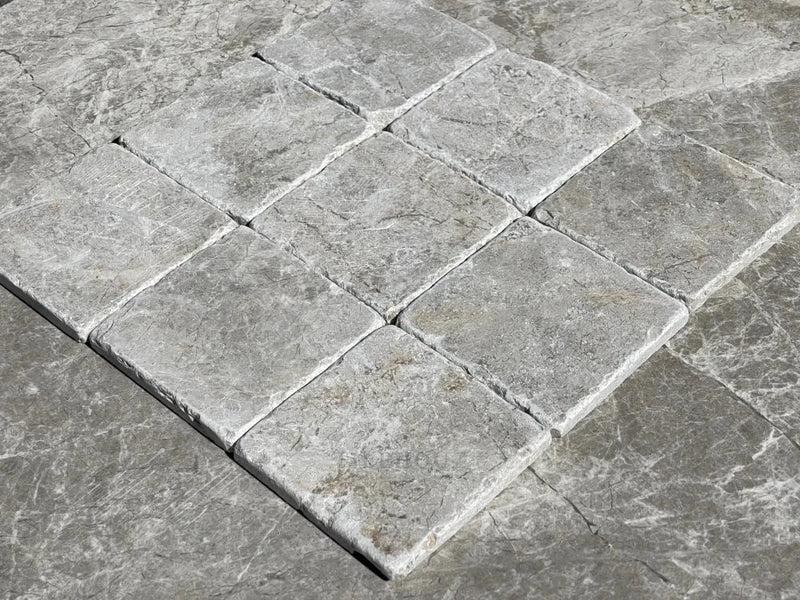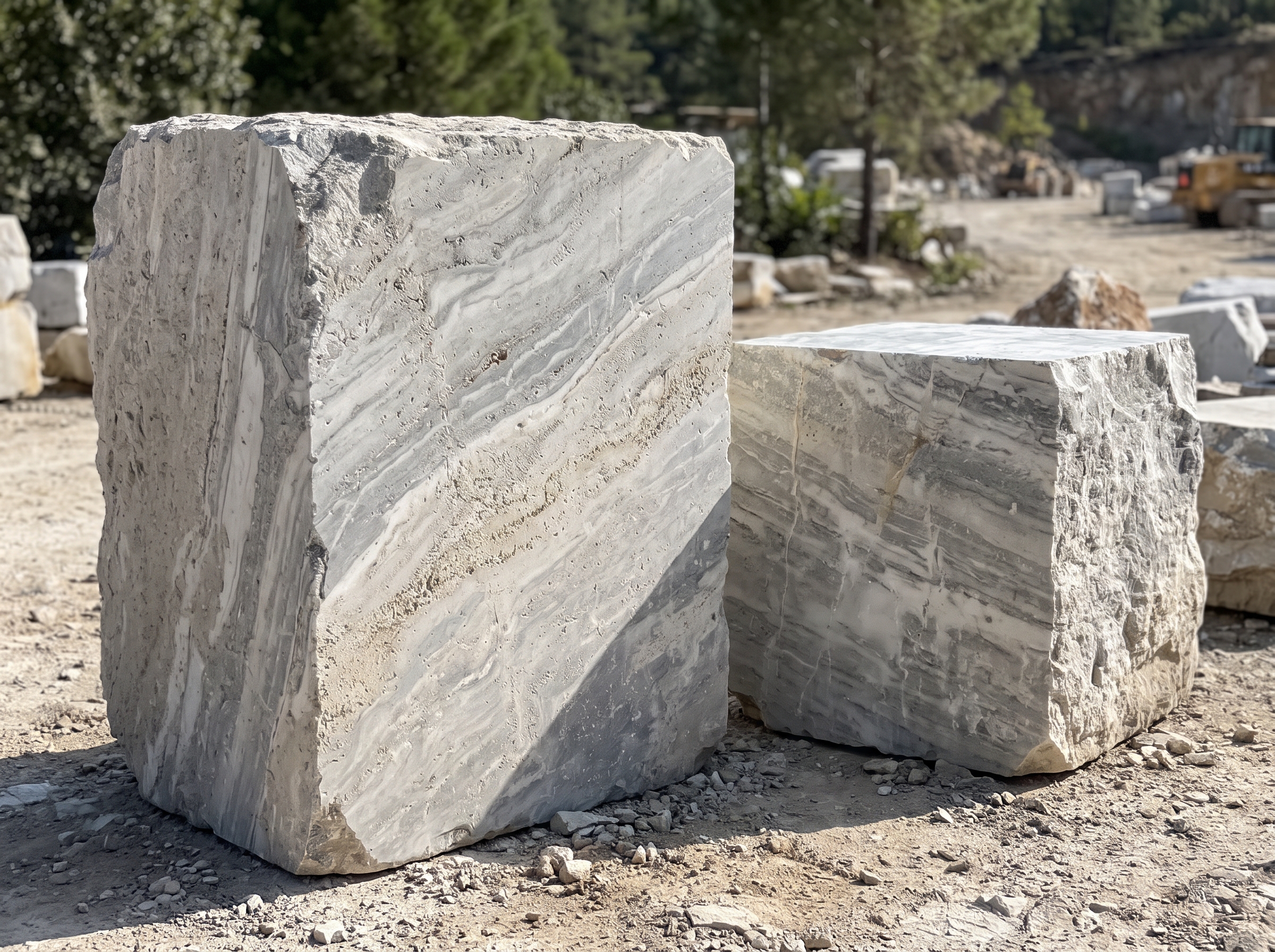
How Is Marble Quality Classified? Differences Between First- and Second-Grade Marble
Marble quality classification is one of the most important aspects of the natural stone industry, particularly during product selection and purchasing. The quality of marble is evaluated based on several criteria, including colour consistency, veining patterns, surface appearance, cracks, porosity, dimensional tolerances and workmanship. Based on these characteristics, marble is commercially classified into different grades, commonly referred to as first-grade, second-grade and lower-grade marble.
But what is first-grade marble? How can second-grade marble be identified? What are the differences between these two quality categories, and which one is more suitable for different projects?
In this article, we explore how marble quality classification works, the main factors that determine marble quality and what buyers should consider when purchasing natural stone.
What Is Marble Quality Classification?
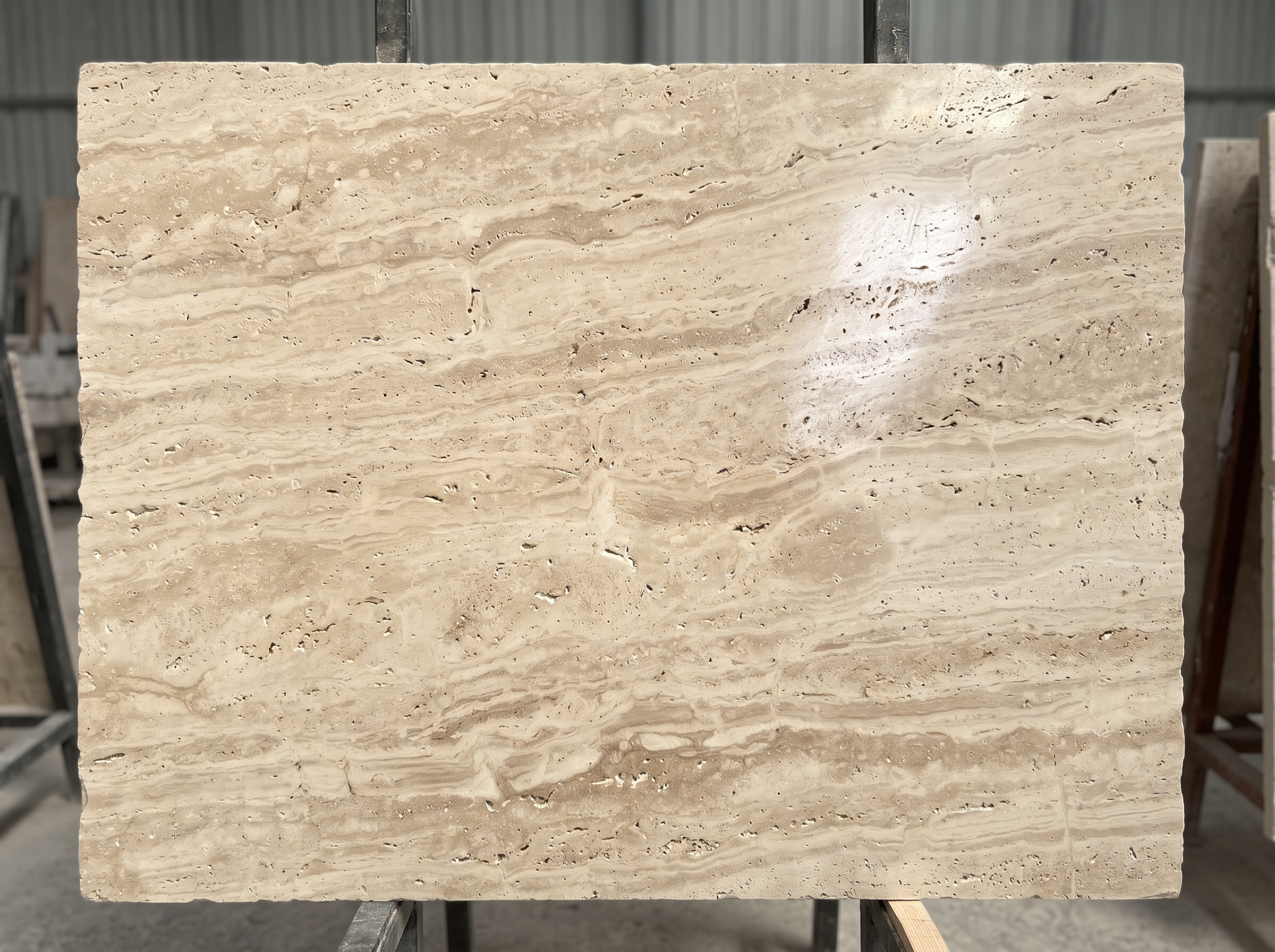
Marble quality classification is the process of grouping natural stone products according to their visual, physical and technical characteristics. Marble blocks, slabs and cut-to-size products can be evaluated using different quality criteria.
Since natural marble forms through geological processes over millions of years, every stone has its own distinctive colour, veining and mineral composition. Therefore, marble quality does not necessarily mean achieving completely flawless or identical surfaces.
Instead, the natural characteristics of the stone, its intended application and the buyer's expectations are taken into consideration.
The most common commercial marble quality categories include:
-
First-grade marble: Products with high visual consistency, minimal visible defects and a higher level of quality selection.
-
Second-grade marble: Products that may contain more noticeable colour variations, irregular veining or certain surface imperfections but can still be suitable for various applications.
-
Third-grade marble: Products that may have more visible aesthetic or physical imperfections and are generally considered for more limited applications.
These classifications are commercial grading practices rather than universally fixed definitions. The exact criteria may vary depending on the producer, stone type, product format, market and agreed acceptance requirements between the buyer and seller.
What Is First-Grade Marble?
First-grade marble refers to natural stone products that meet higher expectations in terms of visual appearance and production quality.
These products are generally expected to have balanced colour distribution, harmonious veining patterns, minimal visible production defects and dimensional tolerances that comply with the agreed specifications.
The main characteristics of first-grade marble include:
1. Consistent Colour Distribution
The colour of the marble should be relatively balanced across the surface. Significant and undesirable colour variations may affect its first-grade classification.
2. Harmonious Veining Patterns
The distribution, density and appearance of veins should be consistent with the natural character of the stone. Veining is particularly important in decorative and architectural applications.
3. Minimal Visible Defects
First-grade marble is generally expected to have no significant cracks, fractures, unwanted voids or serious surface imperfections.
4. High Surface Finishing Quality
Whether the marble is polished, honed or treated with another surface finish, workmanship is an important quality criterion. Surface consistency, smoothness and compliance with the requested finish are evaluated.
5. Dimensional Accuracy
The thickness, length and width of marble slabs or cut-to-size products should comply with the agreed order specifications and tolerances.
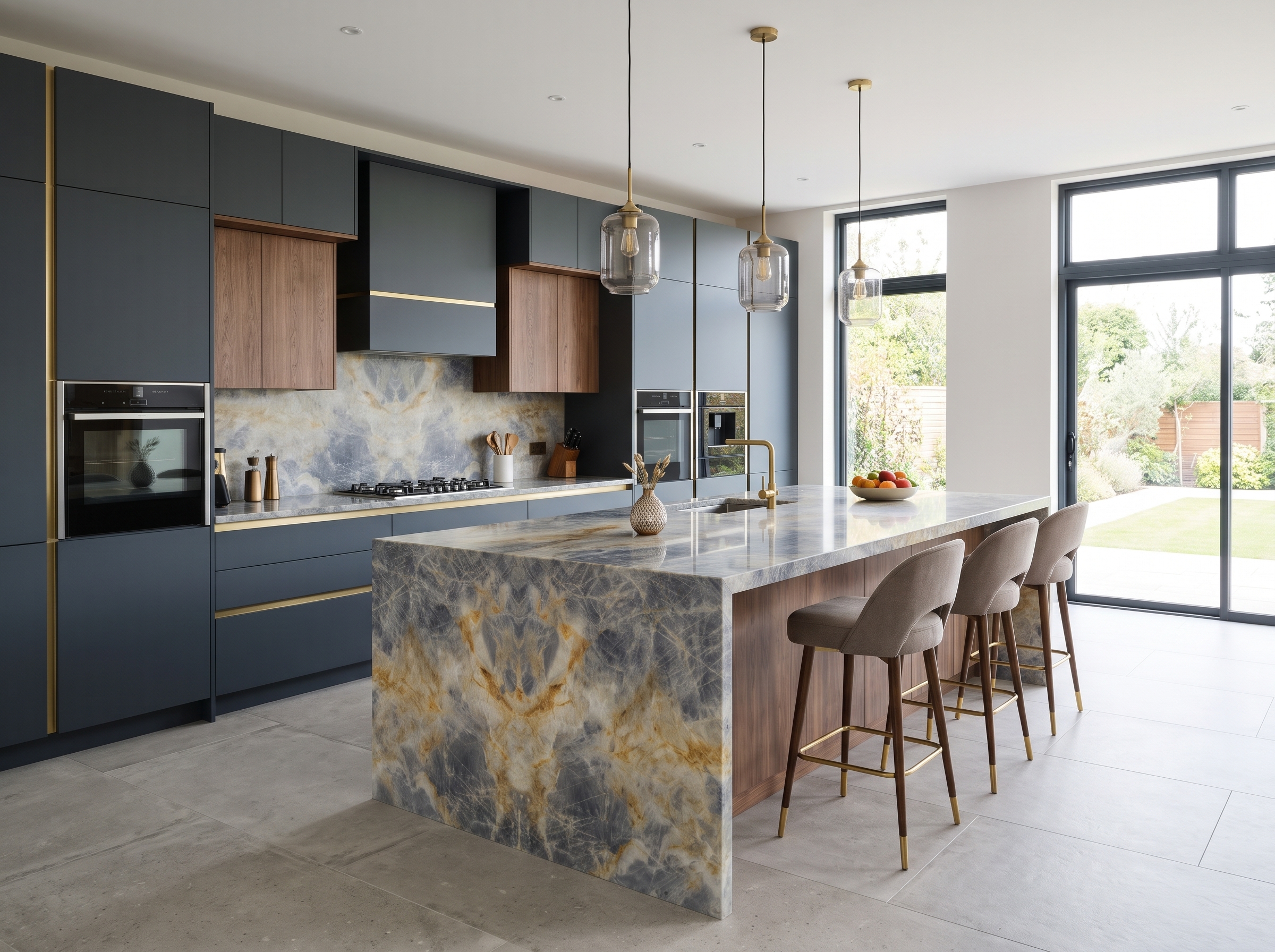
First-grade marble is frequently preferred for luxury residential projects, hotels, commercial buildings, prestigious architectural developments and interior applications where visual consistency is particularly important.
What Is Second-Grade Marble?
Second-grade marble refers to natural stone products that may contain more visual variations or certain natural imperfections compared to first-grade products.
However, being classified as second-grade does not automatically mean that the marble is unusable or lacks durability. This classification is often associated with visual characteristics and commercial acceptance criteria.
Some characteristics commonly found in second-grade marble include:
-
Noticeable colour variations
-
Irregular veining patterns
-
More pronounced or differently oriented veins
-
Minor natural cracks or areas requiring filling
-
Limited surface imperfections
-
Regional differences in colour and pattern across the slab
These characteristics do not necessarily prevent the marble from being used. What matters is the type, size and location of the imperfection, as well as the suitability of the product for its intended application.
For example, natural variations in veining may create an attractive decorative effect on a feature wall. However, the same product may not meet the expectations of a project requiring a highly uniform appearance.
With proper selection, second-grade marble can be used in residential developments, commercial spaces, flooring, wall cladding and various decorative applications.
Differences Between First- and Second-Grade Marble
The main differences between first- and second-grade marble relate to visual consistency, the level of imperfections and the acceptance criteria established by the buyer.
| Quality criterion | First-grade marble | Second-grade marble |
|---|---|---|
| Colour distribution | More consistent | May be more variable |
| Veining patterns | More harmonious | May be more irregular |
| Surface appearance | More carefully selected | May contain minor imperfections |
| Natural cracks | Stricter acceptance criteria | Greater tolerance may be allowed |
| Visual consistency | Higher | More variable |
| Typical applications | Selective and prestigious projects | Various projects where appearance requirements allow |
| Commercial price | Generally higher | Generally more economical |
Important: This table represents general commercial grading practices. Second-grade marble does not necessarily have lower mechanical strength, nor does first-grade marble automatically have superior technical performance in every respect. Technical properties should be evaluated separately through appropriate physical tests.
What Factors Determine Marble Quality?
Marble quality is not determined solely by its colour or veining. Its physical characteristics, production process and intended application must also be considered.
1. Colour and Tone Consistency
The colour of marble varies depending on its mineral composition and geological formation conditions. Even blocks extracted from the same quarry may have different colour tones.
Colour consistency between slabs is particularly important for large-scale architectural projects. Therefore, selecting slabs from the same block or from blocks with similar visual characteristics can be beneficial before placing an order.
2. Veining Patterns and Natural Appearance
Veining is one of the most distinctive features of marble and plays a major role in determining its aesthetic character.
The direction, thickness, density and distribution of veins are considered during quality evaluation. However, pronounced or irregular veining is not necessarily a defect. In certain architectural projects, distinctive veining is specifically preferred.
3. Cracks and Microcracks
Natural cracks and fractures may occur during the geological formation of marble.
Visible cracks can affect the structural integrity and usability of the product. Therefore, their width, depth and location should be carefully examined.
Minor natural cracks on the surface may sometimes be treated through suitable filling processes. However, filling does not automatically make a structurally compromised stone flawless.
4. Porosity and Water Absorption
The porosity of marble is an important physical characteristic that influences its water absorption capacity.
Porosity and water absorption rates vary depending on the mineral composition and microstructure of the stone. These properties should be considered particularly for bathrooms, kitchens, exterior cladding and flooring applications.
5. Surface Finishing
Marble can be supplied with different surface finishes, including polished, honed, brushed and antique finishes.
The consistency of the surface treatment, compliance with the requested finish and absence of significant workmanship defects are important quality control criteria.
6. Dimensional and Thickness Tolerances
The thickness, length and width of marble slabs and cut-to-size products should be checked carefully.
Dimensional variations can directly affect installation procedures and the final appearance of a project, particularly in large-scale applications.
How Is Marble Quality Inspected?
Marble quality control can be carried out at different stages of production, from block selection and slab processing to final packaging.
The main quality control stages include:
-
Block inspection: Marble blocks are examined for colour, veining patterns and visible imperfections.
-
Post-cutting inspection: Slabs are checked for cracks, fractures, colour variations and other defects.
-
Surface inspection: The consistency and quality of polishing or other surface treatments are evaluated.
-
Dimensional inspection: Thickness, width and length measurements are checked.
-
Final quality inspection: Products are classified according to the agreed order specifications and acceptance criteria.
-
Packaging inspection: Slabs and cut-to-size products are packed appropriately to prevent damage during transportation.
In international natural stone trade, defining quality requirements before production and shipment is particularly important. Since buyers and sellers in different markets may have different expectations, product acceptance criteria should ideally be agreed upon in writing.
Should You Choose First- or Second-Grade Marble?
Choosing the right marble grade depends on the project's intended use, budget and aesthetic expectations.
Applications where first-grade marble may be preferred:
-
Luxury residential projects
-
Hotel and restaurant interiors
-
Prestigious offices and commercial buildings
-
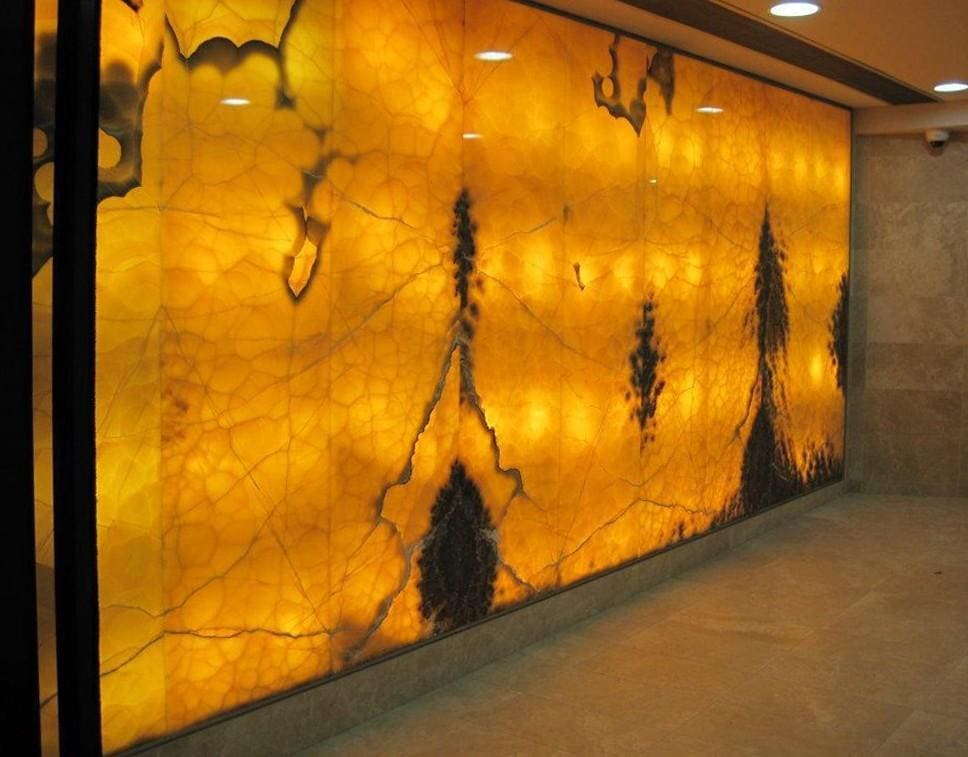
Decorative marble wall applications
-
Bookmatch marble designs
-
Large surfaces where visual consistency is essential
Applications where second-grade marble may be suitable:
-
Budget-conscious residential projects
-
Applications where natural visual variations are acceptable
-
Small-scale decorative areas
-
Flooring and wall cladding projects with appropriate product selection
-
Projects with more flexible colour and pattern expectations
The most important point is that second-grade marble is not suitable for every application, just as first-grade marble is not essential for every project. Both the technical properties of the stone and the requirements of the application should be evaluated together.
What Should You Consider When Buying Marble?
During the marble purchasing process, relying solely on commercial classifications such as first-grade or second-grade is not sufficient.
The following details should be clarified before placing an order, particularly in international marble trade:
-
Commercial name and origin of the marble
-
Preferred product format: block, slab or cut-to-size
-
Product thickness and dimensions
-
Surface finish (polished, honed, etc.)
-
Colour and veining expectations
-
Acceptable natural imperfections
-
Criteria for cracks, filling and repairs
-
Technical test results and applicable standards
-
Packaging and shipping requirements
For large-volume orders, approving samples or slab photographs before production is also recommended. Whenever possible, quality inspections should be conducted using the actual products.
Since marble is a natural material, certain visual variations may occur between different blocks and slabs of the same stone type.
Frequently Asked Questions About Marble Quality
How Can You Identify First-Grade Marble?
First-grade marble is evaluated based on criteria such as colour consistency, harmonious veining, minimal visible defects, surface finishing and dimensional accuracy. However, the exact definition depends on the acceptance criteria agreed upon by the producer and buyer.
Is Second-Grade Marble Suitable for Use?
Yes. Second-grade marble can be used in many interior and decorative projects, provided that its technical characteristics are suitable for the intended application. The commercial grade alone does not determine the durability of the stone.
What Is the Price Difference Between First- and Second-Grade Marble?
The price difference depends on the marble type, colour, veining patterns, production yield, surface finish and market conditions. Products with more selective visual quality are generally priced higher.
Is There an International Standard for Marble Quality Classification?
Various international standards are used to evaluate the physical and technical properties of natural stone. For example, EN 12057 and EN 12058 are European product standards covering modular tiles and slabs made of natural stone.
However, there is no single universal definition that applies to the commercial classification of all marble products as first-grade or second-grade.
Why Are Different Quality Grades Available Within the Same Marble Type?
Natural geological formation processes can create variations in colour, veining, mineral distribution and crack structures. In addition, cutting and processing methods can influence the final visual quality of marble products.
Conclusion: Choosing the Right Marble Grade for the Right Project
Marble quality classification is a process that evaluates the visual characteristics, physical condition and production quality of natural stone. While first-grade marble is generally preferred for projects with more selective visual requirements, second-grade marble can also be suitable for various applications when the right product is selected.
When purchasing marble, it is important to consider not only its commercial grade but also its natural characteristics, technical performance, surface finish and project requirements.
At Biser Marble, we offer a range of natural stone solutions for architectural projects and international natural stone trade, including marble blocks, slabs and cut-to-size products. Contact us to learn more about natural stone options suitable for your project.