How Is Marble Durability Tested? Key Technical Properties of High-Quality Natural Stone
Marble is valued not only for its timeless beauty but also for its exceptional longevity. However, not all marble offers the same level of durability. For this reason, evaluating the technical performance of marble has become an essential part of material selection, particularly for large-scale architectural projects and international exports.
So, how is marble durability tested? Which laboratory analyses determine the quality of natural stone, and what characteristics distinguish premium marble from lower-grade materials?
In this guide, we explain the most important marble durability tests and the technical properties that define high-quality natural stone.
Why Is Marble Durability Important?
Natural stone is expected to perform reliably for decades. To achieve long-term success, marble must possess mechanical and physical properties that match its intended application.
Highly durable marble offers several advantages:
-
Greater resistance to heavy use
-
Long-lasting aesthetic appearance
-
Lower risk of breakage during processing
-
Safer transportation and installation
-
Reliable performance in large-scale architectural projects
For this reason, selecting marble should involve more than evaluating color and veining—technical performance data is equally important.
How Is Marble Durability Tested?
The performance of marble is measured through laboratory testing conducted in accordance with internationally recognized standards. These tests evaluate how the stone performs under various environmental and structural conditions.
The most common durability tests include the following.
Compressive Strength
The compressive strength test measures the amount of pressure marble can withstand before failure.
This property is especially important for:
-
Flooring
-
Staircases
-
Commercial buildings
-
High-traffic public spaces
Marble with high compressive strength maintains its structural integrity under heavy loads.
Flexural Strength
The flexural strength test evaluates the marble's resistance to bending.
This test is particularly important for:
-
Marble slabs
-
Wall cladding
-
Façade applications
-
Large-format panels
Higher flexural strength improves performance in applications where thinner slabs are used.
Water Absorption
Water absorption measures the porosity of natural stone.
Marble with a lower water absorption rate generally offers:
-
Better resistance to environmental conditions
-
Improved long-term durability
-
Enhanced dimensional stability
This property is especially valuable in humid environments such as bathrooms and exterior architectural applications.
Density
Density provides important information about the internal structure of marble.
Dense, homogeneous marble typically offers:
-
Greater structural consistency
-
Improved processing performance
-
More predictable installation results
Abrasion Resistance
Abrasion resistance indicates how well marble withstands surface wear caused by continuous foot traffic.
This property is particularly important for:
-
Hotel lobbies
-
Shopping malls
-
Office buildings
-
Public facilities
-
Commercial flooring
Marble with high abrasion resistance retains its appearance longer in heavily used spaces.
How Can You Identify Durable Marble?
The quality and durability of marble cannot be judged by appearance alone.
A comprehensive evaluation should include:
-
Laboratory test reports
-
Physical performance data
-
Block homogeneity
-
Presence of natural fractures
-
Color consistency
-
Manufacturing quality
Together, these factors help architects, designers, and project developers select the most appropriate material for demanding applications.
What Affects the Lifespan of Marble?
Durability depends on more than the stone's natural characteristics.
Several additional factors influence long-term performance, including:
-
Proper block selection
-
High-quality processing
-
Professional installation
-
Appropriate surface finishing
-
Regular maintenance
-
Choosing the correct marble for the intended application
When all of these elements are carefully considered, marble can maintain both its technical performance and aesthetic appeal for generations.
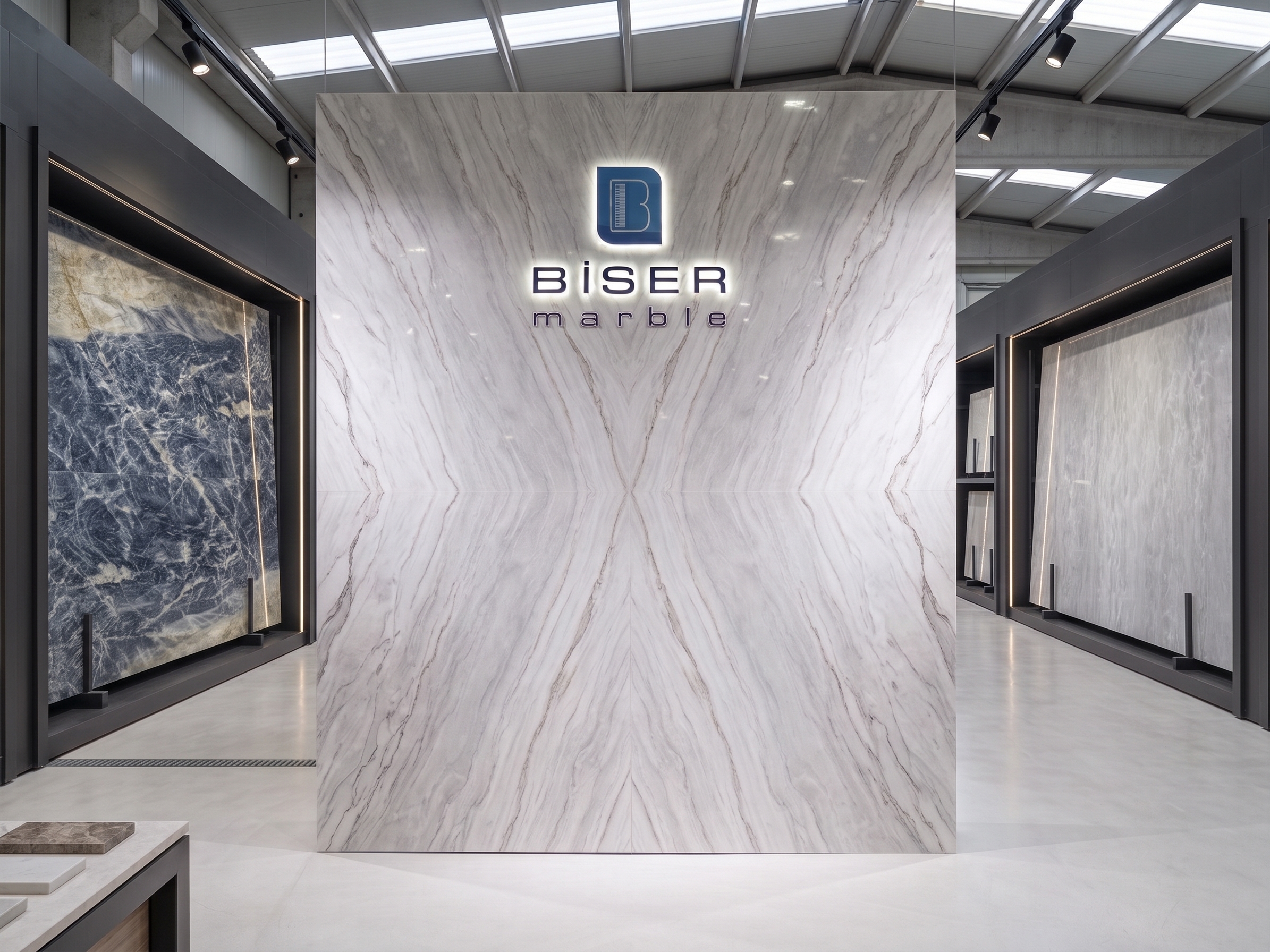
Marble Performance Testing at Biser Marble
At Biser Marble, we believe that premium natural stone should excel not only in appearance but also in technical performance.
The marble extracted from our own quarry in İzmir undergoes comprehensive laboratory testing conducted by authorized independent laboratories. Our technical reports evaluate key physical properties, including:
-
Compressive strength
-
Flexural strength
-
Water absorption
-
Density
-
Other relevant physical characteristics
These test results demonstrate the excellent durability of our marble, making it suitable for a wide range of applications—from residential projects and luxury hotels to commercial buildings and prestigious architectural developments.
By supporting our products with verified technical performance data, we provide customers with confidence in both long-term durability and consistent quality.
What Should You Consider When Choosing Durable Marble?
When selecting high-quality natural stone, consider the following factors:
-
Availability of technical laboratory test reports
-
Marble supplied by a reliable quarry-owning manufacturer
-
Homogeneous block structure
-
Technical properties suitable for the intended application
-
Long-term availability of matching selections
Evaluating these criteria helps ensure that the chosen marble delivers lasting performance and visual consistency throughout the project.
Conclusion
Marble durability is just as important as appearance when selecting natural stone. Laboratory testing provides objective data that allows architects, designers, contractors, and developers to evaluate the physical and mechanical performance of marble with confidence.
Properties such as compressive strength, flexural strength, water absorption, density, and abrasion resistance help ensure that the right marble is selected for the right application, resulting in durable, reliable, and long-lasting installations.
At Biser Marble, we extract premium natural stone from our own marble quarry in İzmir, Türkiye, and combine rigorous quality control with internationally recognized technical testing to deliver marble that meets the highest standards of performance. Through verified durability, exceptional aesthetics, and dependable long-term supply, we continue to provide natural stone solutions that add lasting value to architectural projects across the globe.