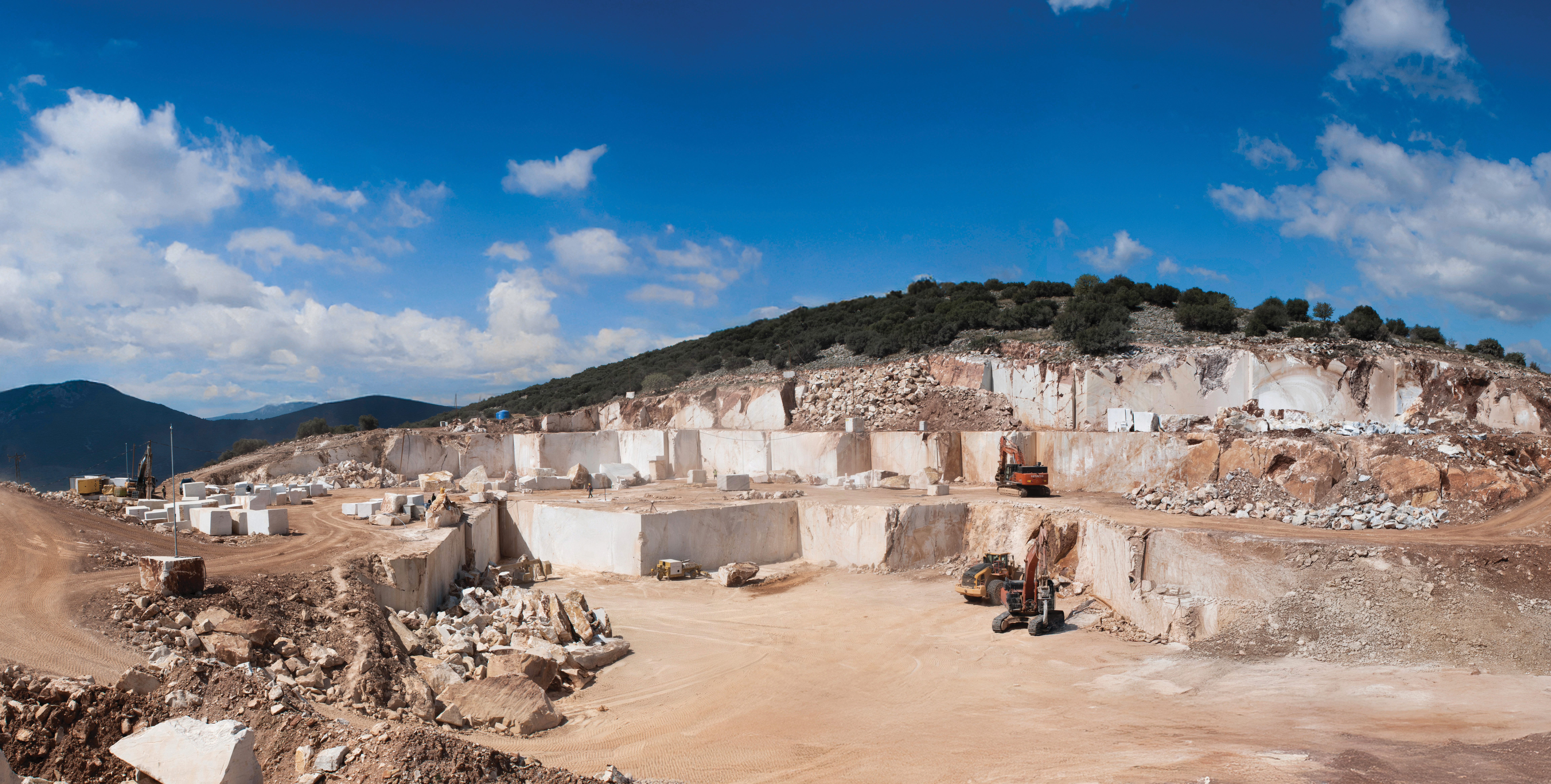
How Is a Marble Block Extracted from a Quarry?
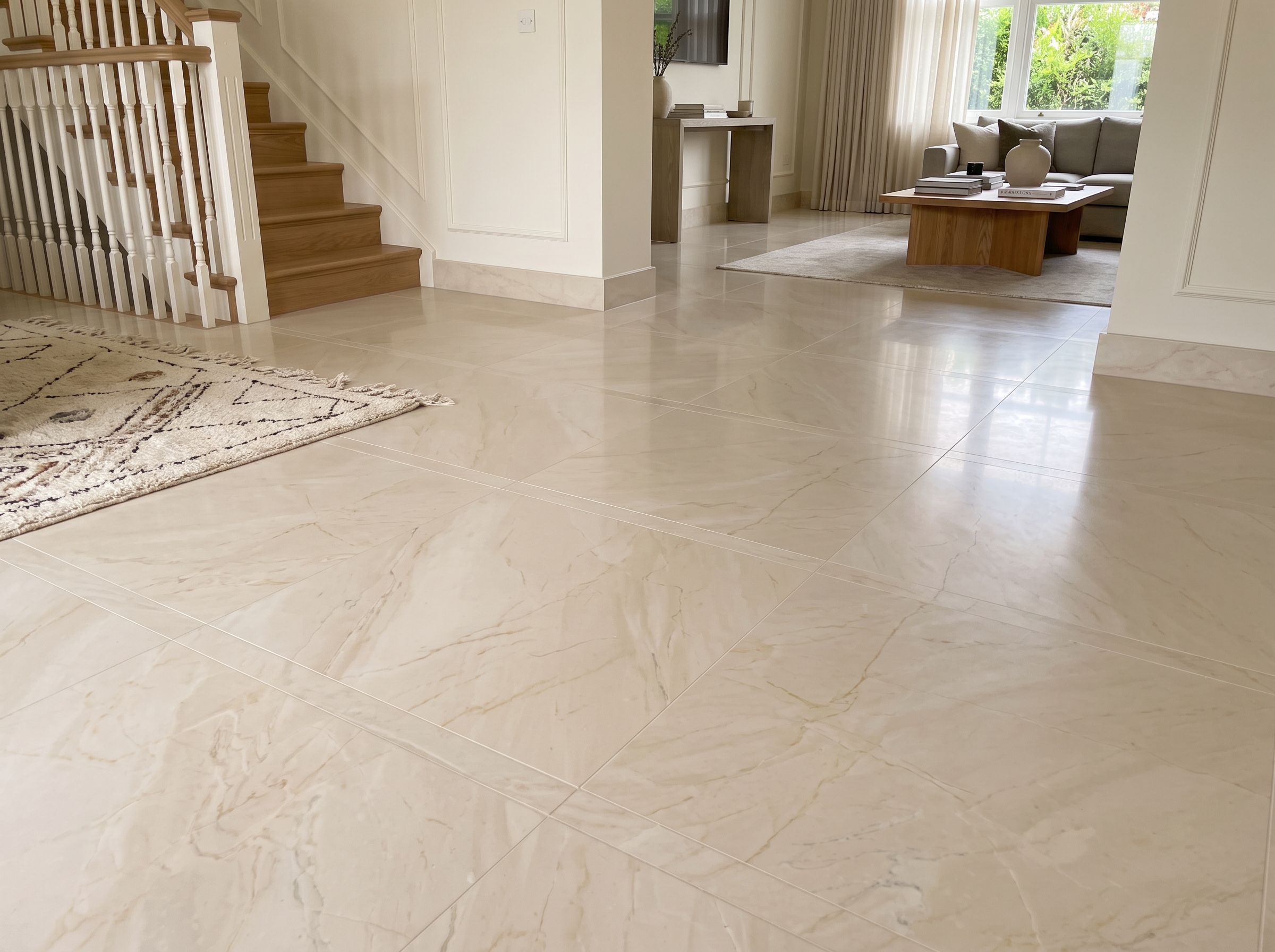
The stunning marble wall in a luxury hotel lobby or the elegant natural stone flooring in a premium villa represents a geological process that has taken millions of years. However, marble's journey does not end in nature—it continues through professional quarrying operations and carefully controlled production processes before becoming part of world-class architectural projects.
So, how is a marble block extracted from a quarry? Let's explore each stage of the journey, from the mountainside to the finished stone ready for processing.
The Journey Begins at the Quarry
Every high-quality marble product starts with responsible quarry management. Each marble quarry has unique geological characteristics that determine the stone's color, veining, density, and block yield.
For this reason, professional producers carefully analyze their reserves to identify the most suitable extraction areas. The objective is not simply to extract stone, but to maximize quality while ensuring efficient use of natural resources.
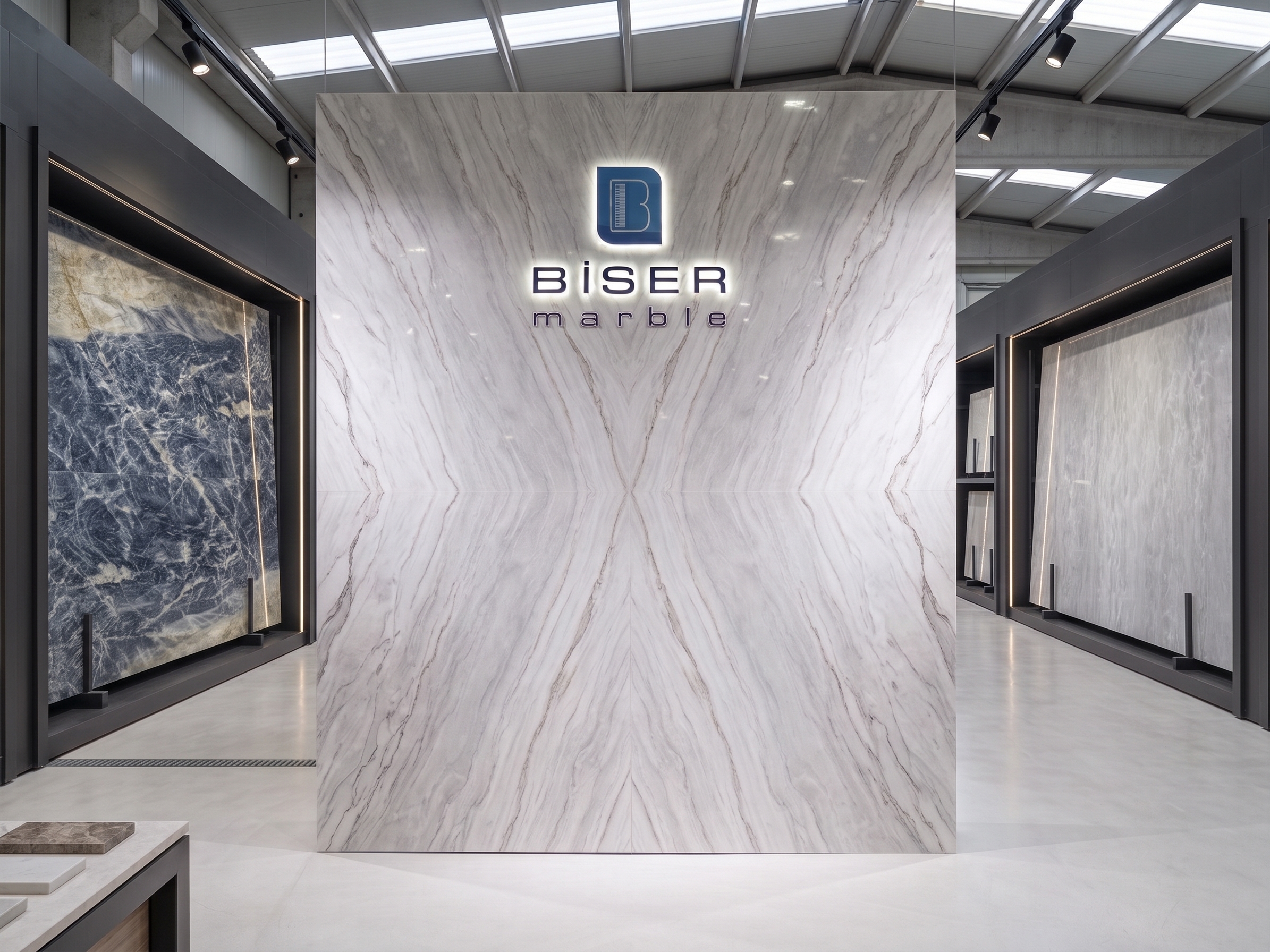
At Biser Marble, we manage production at our own marble quarry in İzmir through long-term reserve planning, allowing us to maintain consistent block quality and reliable supply for projects around the world.
Step 1: Planning the Cutting Lines
The first stage of marble extraction is determining the boundaries of the block to be removed.
Before any cutting begins, experienced quarry specialists evaluate several important factors, including:
-
Vein direction
-
Natural fractures
-
Color consistency
-
Expected block yield
This detailed analysis helps maximize production efficiency while minimizing material waste.
In fact, much of a premium marble block's quality is determined long before the first cut is made.
Diamond Wire Cutting Technology
Today, diamond wire cutting is one of the most widely used extraction methods in modern marble quarries.
This technology utilizes a steel cable fitted with industrial diamond beads. As the wire moves continuously at high speed, it cuts through the rock mass with exceptional precision and control.
The advantages of diamond wire cutting include:
-
Smooth cutting surfaces
-
Lower waste rates
-
Highly accurate block dimensions
-
Better preservation of the stone's natural structure
This advanced technology allows massive rock formations to be safely transformed into high-quality marble blocks.
Separating the Block from the Rock Mass
Once the cutting process has been completed, the marble block must be carefully separated from the surrounding rock.
This is one of the most delicate stages of extraction. Improper handling can cause cracking or reduce the commercial value of the block.
Modern quarries use controlled hydraulic systems to safely release the block while preserving its structural integrity. Maintaining the stone's natural condition at this stage is essential for achieving high processing efficiency later.
Initial Quality Inspection
Not every marble block extracted from the quarry meets the same quality standards.
For this reason, each block undergoes a detailed inspection based on criteria such as:
-
Color uniformity
-
Veining characteristics
-
Presence of cracks
-
Block dimensions
-
Overall appearance
This classification process allows manufacturers to provide customers with consistent, reliable natural stone products.
At Biser Marble, every block extracted from our quarry undergoes comprehensive quality control before being supplied to domestic and international markets.
Transportation to the Processing Facility
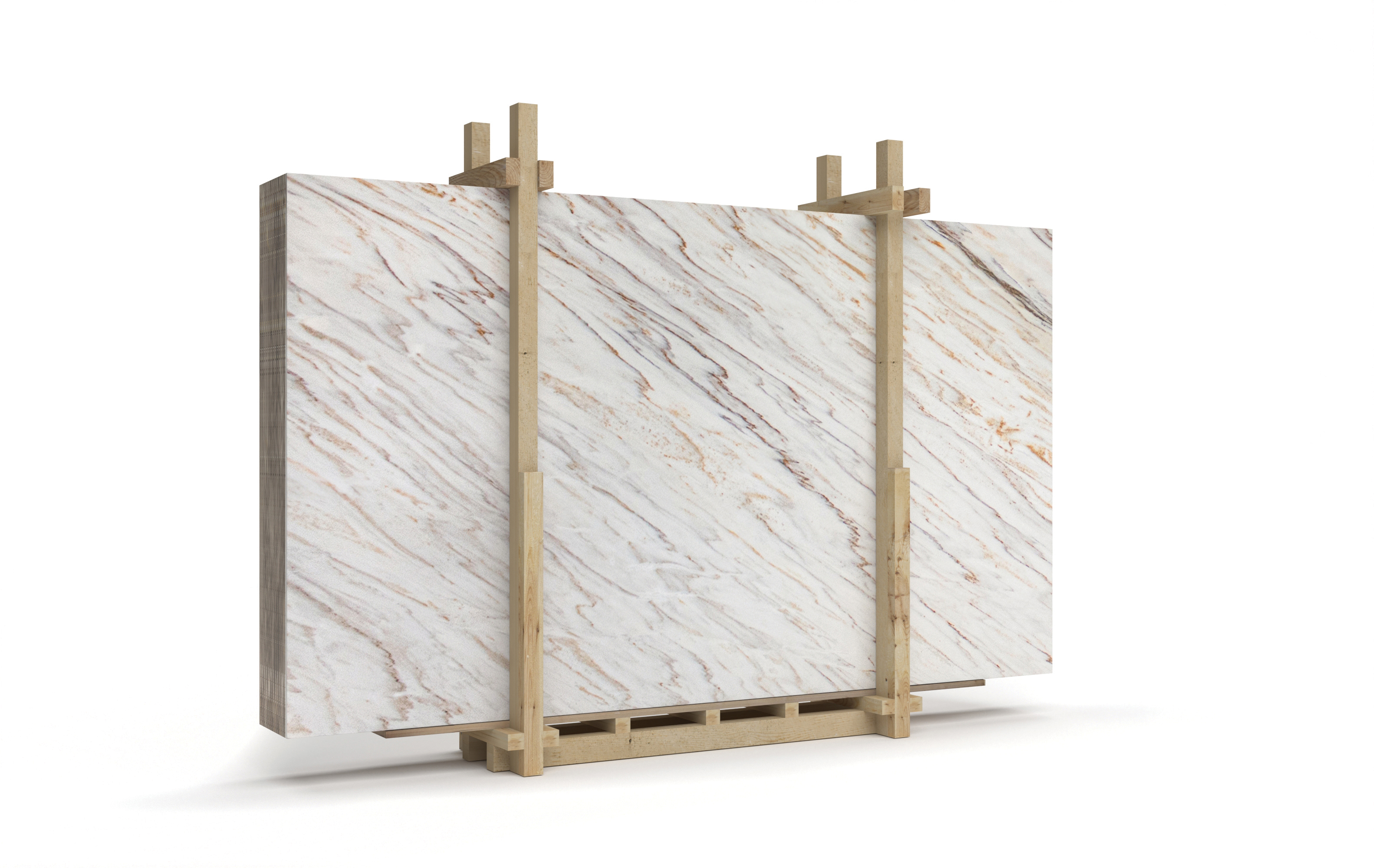
After passing quality inspection, marble blocks are loaded using heavy machinery and transported to the processing plant.
Individual marble blocks often weigh anywhere from several tons to dozens of tons, making transportation a specialized operation that requires appropriate equipment and careful logistical planning.
Once the blocks arrive at the factory, they are prepared for various production processes, including:
-
Slab cutting
-
Custom-sized marble products
-
Architectural stone fabrication
-
Export preparation
Each stage is carefully managed to preserve the stone's natural beauty and structural quality.
Why Do Buyers Prefer Quarry Owners?
Today's architects, importers, and project developers increasingly evaluate not only the finished product but also its source.
Manufacturers that own and operate their own marble quarries offer significant advantages, including:
-
Greater control over product quality
-
Consistent long-term supply
-
Better color and veining consistency
-
Reliable production planning for large-scale projects
These advantages make quarry-owning manufacturers preferred partners for international architectural and commercial developments.
Conclusion
The journey of a marble block begins with millions of years of natural geological formation and continues through advanced quarrying technologies and carefully controlled production processes. Every stage—from extraction planning and diamond wire cutting to quality inspection and transportation—directly influences the quality of the finished natural stone.
At Biser Marble, we oversee every step of this journey at our own marble quarry in İzmir. Through professional quarry management, rigorous quality control, and sustainable production practices, we supply premium natural stone to customers around the world. Because every exceptional marble project begins with an exceptional marble block.