Beige Marble: Types, Characteristics, Uses and Complete Buying Guide
Beige marble is one of the most versatile natural stone choices for architectural and interior design projects. Known for its warm neutral colors, natural veining and timeless appearance, beige marble ranges from soft ivory and cream tones to sand, honey, taupe and deeper beige shades.
Unlike highly contrasting natural stones, beige marble can create a sophisticated visual background without overwhelming furniture, lighting or architectural details. This makes it a popular choice for residential projects, luxury villas, hotels, commercial interiors, bathrooms, flooring, wall cladding, staircases and decorative surfaces.
In this comprehensive guide, we will explore what beige marble is, the most popular beige marble types, where beige marble is used, how to choose beige marble slabs and tiles, the differences between polished and honed finishes, Turkish beige marble, maintenance requirements and the most important factors to consider when sourcing beige marble for a project.
What Is Beige Marble?
Beige marble is a broad category of natural marble characterized by warm neutral colors such as cream, ivory, light beige, sand, honey and taupe.
The exact appearance of each marble depends on its geological formation, mineral composition, crystal structure and quarry location. As a result, two beige marbles with similar commercial names can have noticeably different backgrounds, veining patterns and technical properties.
One of the defining advantages of beige marble is its ability to combine warmth with elegance.
White marble can create a brighter and cooler atmosphere, while grey marble is often associated with contemporary and industrial interiors. Beige marble provides a warmer alternative that can work particularly well with wood, cream, brown, bronze, gold, black and neutral architectural materials.
Common applications include:
-
Flooring
-
Wall cladding
-
Hotel lobbies
-
Residential interiors
-
Bathrooms
-
Kitchens
-
Staircases
-
Vanity tops
-
Reception desks
-
Retail interiors
-
Feature walls
-
Decorative architectural surfaces
Why Is Beige Marble So Popular?
The popularity of beige marble is not based on color alone. Its combination of versatility, warmth and natural variation makes it suitable for a wide range of design concepts.
1. Beige Marble Has a Timeless Appearance
One of the strongest advantages of beige marble is its ability to remain visually relevant over time.
For large architectural projects, choosing a natural stone that will continue to look elegant years after installation is important. Beige marble can provide a neutral foundation that works with changing furniture, lighting and interior trends.
2. It Works With Many Color Palettes
Beige marble naturally complements:
-
White
-
Cream
-
Brown
-
Black
-
Grey
-
Natural wood
-
Bronze
-
Gold
-
Neutral metals
This flexibility makes it particularly useful for architects and interior designers working across different design styles.
3. It Works Well Across Large Surfaces
Highly dramatic stones can create strong visual movement across large areas. More homogeneous beige marble varieties can create a calmer and more continuous appearance.
For this reason, large projects should consider not only the color of the stone but also slab-to-slab consistency, veining distribution and block selection.
4. It Fits Both Classic and Contemporary Interiors
Beige marble is not limited to traditional architecture.
With the right combination of stone pattern, slab format and surface finish, it can be used in:
-
Contemporary interiors
-
Minimalist spaces
-
Luxury hospitality
-
Mediterranean architecture
-
Transitional interiors
-
Classic projects
Popular Types of Beige Marble
The term “beige marble” does not describe one single stone.
There are many beige and cream-colored marble varieties quarried in different parts of the world. They differ in color, veining, crystal structure, background consistency and technical properties.
Crema Marfil
Crema Marfil is one of the best-known cream-to-beige marbles in the international natural stone market.
Quarried in Spain, it is recognized for its warm cream-beige background and relatively soft veining. Its neutral appearance makes it suitable for large flooring and wall applications as well as residential and commercial interiors.
Botticino Marble
Botticino is a classic Italian beige marble known for its light cream-beige background and subtle natural veining.
Its understated appearance makes it suitable for timeless architectural designs, including floors, walls and interior decorative applications.
Daino Reale
Daino Reale is known for its warm beige background and more noticeable natural movement.
It can be considered for projects that require more visual character while maintaining the warmth associated with beige natural stone.
Burdur Beige Marble
Burdur is one of Turkey's important natural stone regions.
Burdur beige marble is generally associated with warm beige and cream tones and can be used for flooring, wall cladding and various interior architectural applications.
As with all natural stone, individual blocks and slabs can vary. For large projects, sample approval, slab inspection and lot consistency should therefore be part of the purchasing process.
Turkish Beige Marble
Turkish beige marble refers to a broad range of beige and cream-colored natural stones sourced from different regions of Turkey.
Turkish beige marbles can vary significantly in appearance, from relatively homogeneous backgrounds to stones with distinctive flowing veins and stronger natural movement.
For this reason, buyers should not select Turkish beige marble based solely on a commercial name. Actual slab images, physical samples, quarry origin, block selection and technical data should also be reviewed.
Where Is Beige Marble Used?
One of the biggest advantages of beige marble is its versatility.
It can be specified for both decorative and architectural applications across residential, hospitality and commercial projects.
Beige Marble Flooring
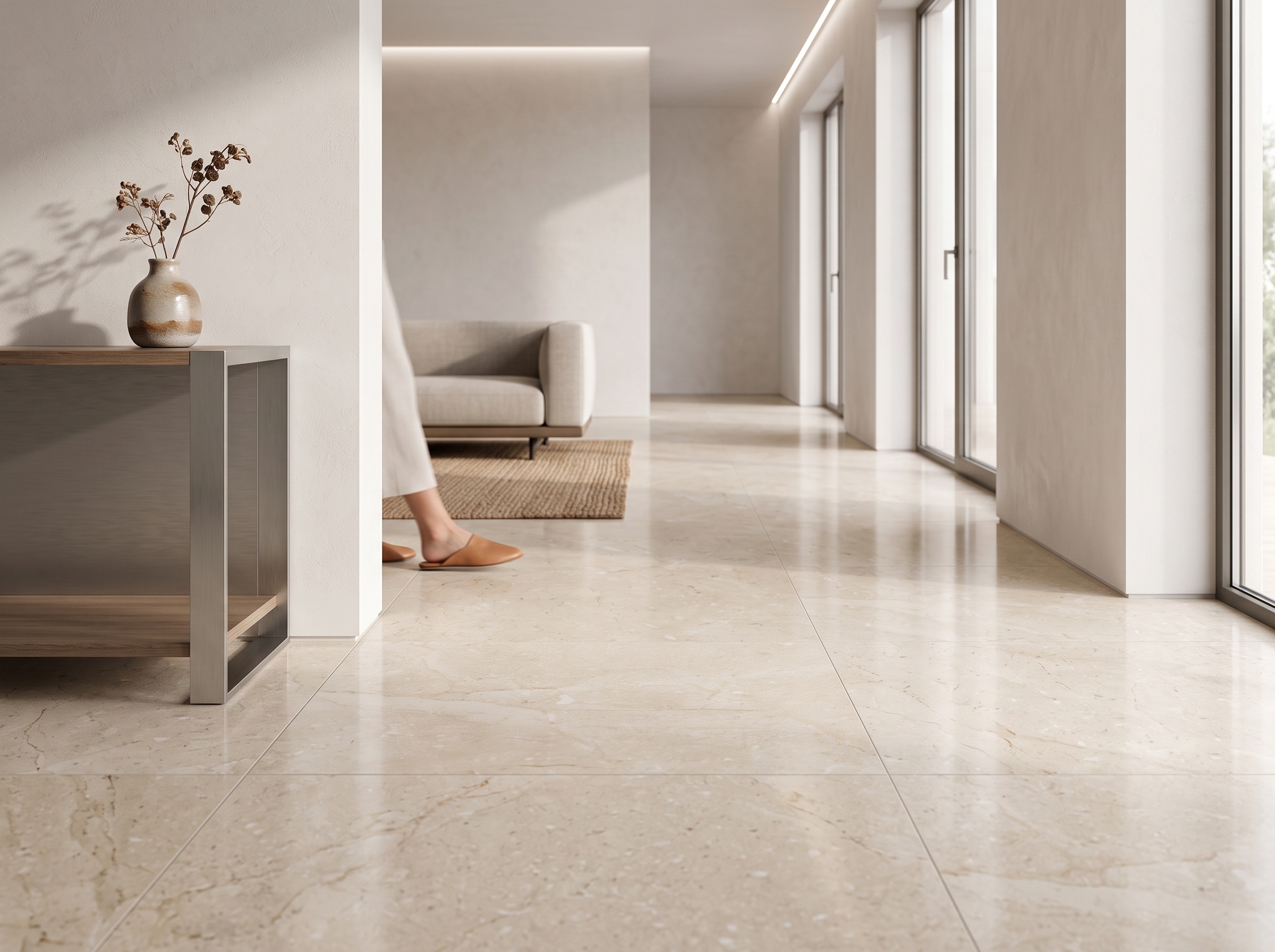
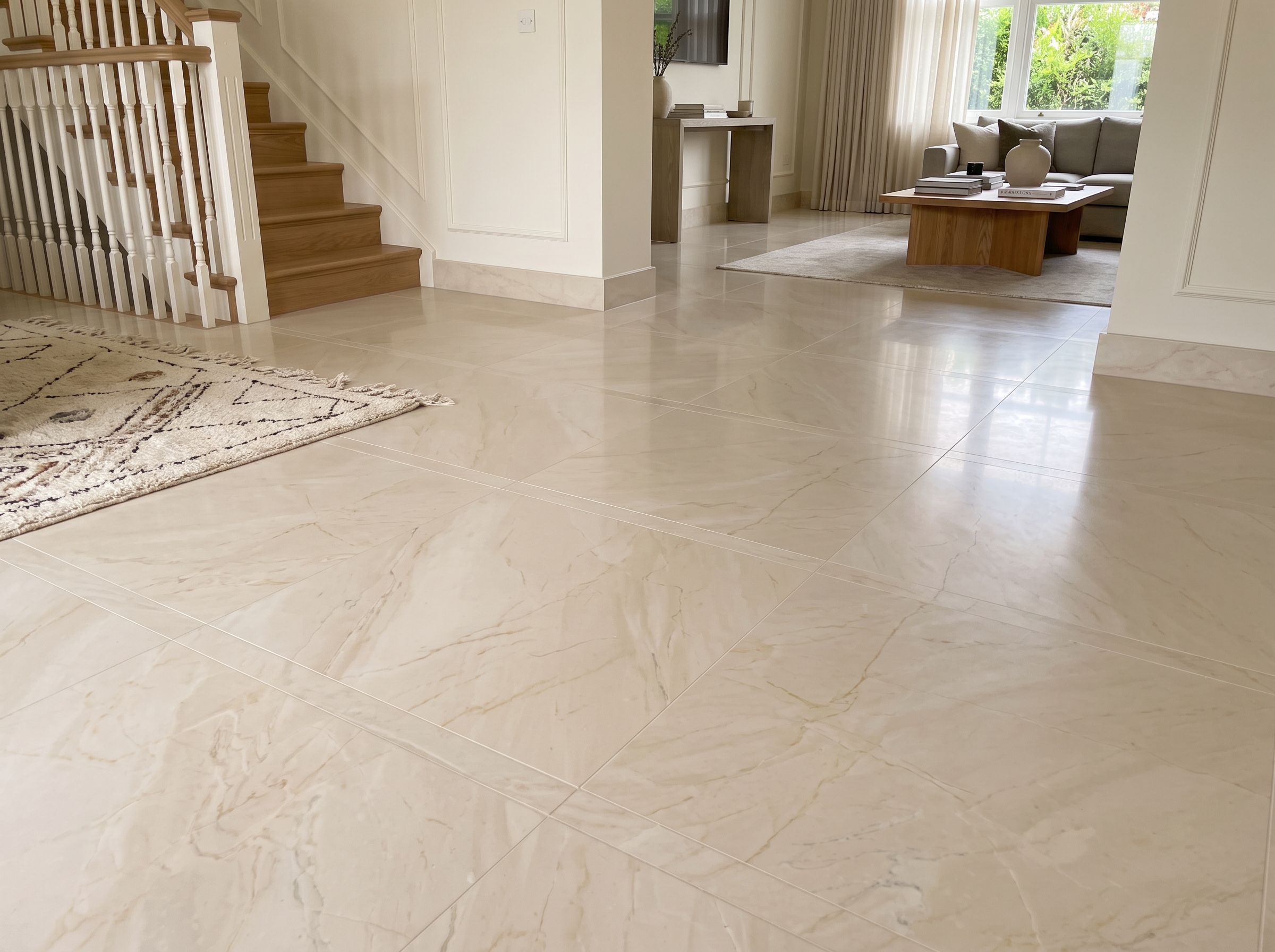
Beige marble flooring is one of the most common applications for this natural stone.
It can create a warm, sophisticated appearance in:
-
Hotel lobbies
-
Residential entrances
-
Living rooms
-
Corridors
-
Luxury villas
-
Commercial interiors
-
Reception areas
When selecting beige marble for flooring, buyers should evaluate more than appearance.
Important factors include:
-
Expected traffic
-
Surface finish
-
Slip-related requirements
-
Abrasion performance
-
Maintenance
-
Tile or slab dimensions
-
Thickness
-
Lot consistency
Beige Marble Wall Cladding
Beige marble wall cladding provides a sophisticated natural stone surface without creating excessive visual contrast.
It can be used in:
-
Hotel lobbies
-
Reception areas
-
Restaurants
-
Retail stores
-
Bathrooms
-
Residential interiors
-
Feature walls
Large-format slabs can reduce grout lines and help create a more continuous visual effect.
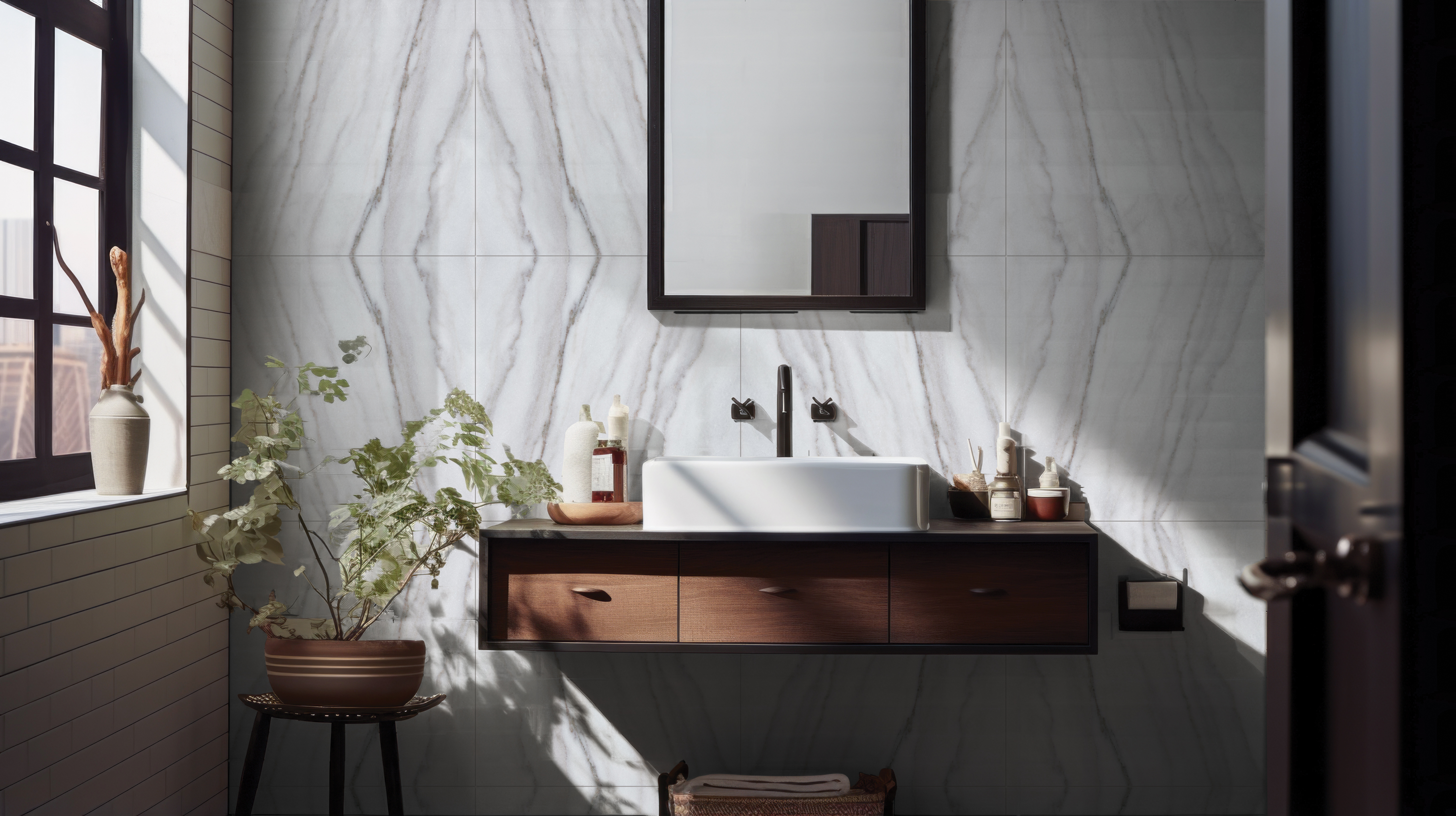
Beige Marble Bathroom
A beige marble bathroom can create a warm, calm and spa-inspired atmosphere.
Beige marble can be used for:
-
Bathroom flooring
-
Wall cladding
-
Vanity tops
-
Shower surrounds
-
Niches
-
Decorative panels
Surface finish should be selected according to the specific wet-area requirements. Honed or appropriately textured finishes may offer different performance characteristics compared with polished surfaces.
Beige Marble Kitchen
Beige marble kitchens can combine natural stone with wood cabinetry, neutral colors and metallic details.
Beige marble can be considered for:
-
Kitchen countertops
-
Islands
-
Backsplashes
-
Wall panels
-
Decorative surfaces
However, marble is a natural stone that requires appropriate care. Kitchen applications should therefore consider exposure to acids, staining agents, heat, moisture and everyday use.
Beige Marble Staircases
Beige marble staircases are frequently considered for villas, hotels, residential buildings and commercial interiors.
For staircase projects, tread, riser and landing pieces should be planned carefully. Vein direction, color variation and piece sequencing can have a significant impact on the final appearance.
Hotels and Commercial Projects
Beige marble can be used throughout hospitality and commercial environments, including:
-
Hotel lobbies
-
Reception desks
-
Corridors
-
Restaurants
-
Retail stores
-
Offices
-
Showrooms
For large-scale projects, supply continuity and quality control are as important as visual appearance.
Beige Marble Slabs vs. Beige Marble Tiles
The choice between beige marble slabs and tiles depends on the application, design intent and project requirements.
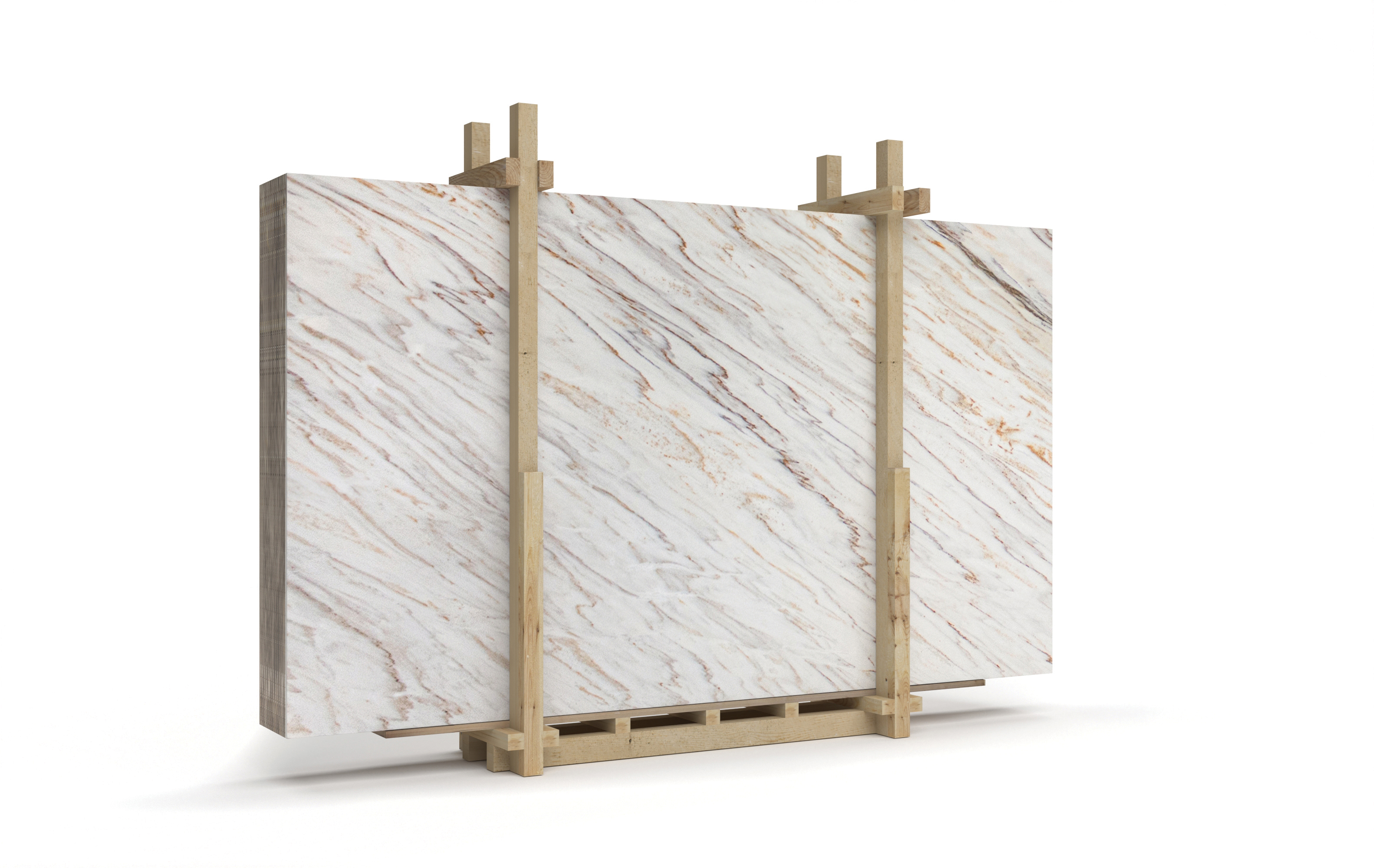
Beige Marble Slabs
Beige marble slabs are particularly useful for large surfaces where fewer joints and greater visual continuity are desired.
When selecting beige marble slabs, consider:
-
Slab dimensions
-
Thickness
-
Background color
-
Veining
-
Vein direction
-
Surface finish
-
Block origin
-
Lot consistency
For bookmatched applications, slab sequencing and vein direction should be planned before fabrication.
Beige Marble Tiles
Beige marble tiles are a practical option for modular flooring, bathrooms, corridors and wall applications.
When purchasing beige marble tiles, buyers should evaluate:
-
Tile dimensions
-
Calibration
-
Thickness
-
Surface finish
-
Color consistency
-
Veining
-
Dimensional tolerances
Dry-laying and sequencing tiles can help achieve a more balanced visual distribution before installation.
Polished vs. Honed Beige Marble
The appearance of beige marble depends not only on the stone itself but also on the surface finish.
Polished Beige Marble
A polished finish creates a reflective surface and can make beige tones appear richer and more vibrant.
It is commonly considered for:
-
Feature walls
-
Reception areas
-
Vanity surfaces
-
Decorative applications
-
Selected interior flooring
Honed Beige Marble
Honed beige marble has a smoother matte appearance with less surface reflection.
It can be particularly suitable for contemporary and minimalist interiors where a softer natural stone appearance is desired.
Brushed and Textured Finishes
Brushed and textured finishes emphasize the tactile character of natural stone.
Depending on the stone and project requirements, these finishes can be considered for selected exterior applications, stairs, decorative surfaces and other architectural uses.
The best finish depends on the application. Appearance, maintenance, slip-related requirements and expected traffic should all be evaluated together.
How to Choose the Right Beige Marble
Choosing beige marble is more than selecting a color from a catalog.
For professional architectural and construction projects, the following criteria should be reviewed.
1. Choose the Right Beige Tone
Beige marble can range from:
-
Light ivory
-
Cream
-
Warm beige
-
Sand
-
Honey
-
Taupe
-
Greige
The correct tone should be selected according to the project's furniture, wall colors, wood finishes, lighting and overall design concept.
2. Evaluate the Veining
Beige marble can be relatively homogeneous or highly dynamic.
Subtle veining can work well for large flooring areas where a calm background is desired.
More pronounced veining can be used for feature walls, reception desks, fireplace surrounds and other focal points.
3. Request Actual Slab Images
Natural stone is not a manufactured product with perfectly identical surfaces.
Catalog images and actual slabs may differ in color and veining.
For large projects, a professional approval process can follow the sequence:
Sample → Block → Slab → Final Approval
This helps minimize unexpected visual differences.
4. Consider Block and Lot Consistency
For large projects, stone from different blocks can naturally show variations in color and veining.
Where visual continuity is important, buyers should discuss block selection and production lot consistency with the supplier before placing a large order.
5. Select the Appropriate Thickness
Thickness should be selected according to the application.
Flooring, wall cladding, countertops, stairs and fabricated components may have different technical requirements.
The final thickness should be confirmed according to project specifications, installation details and applicable standards.
6. Check Technical Data
Professional natural stone purchasing should not rely only on photographs and price.
Where applicable, request technical information such as:
-
Water absorption
-
Bulk density
-
Compressive strength
-
Flexural strength
-
Abrasion resistance
-
Slip-related performance
-
Surface finish specifications
-
Dimensional tolerances
Technical values should be evaluated according to the applicable test standards and project requirements.
How to Maintain Beige Marble
Proper maintenance helps preserve the appearance of beige marble over time.
General maintenance practices include:
-
Use pH-neutral or marble-compatible cleaners.
-
Avoid acidic cleaning products.
-
Do not allow liquids to remain on the surface for extended periods.
-
Clean spills promptly.
-
Use an appropriate sealer where required.
-
Follow the stone supplier's and installer’s maintenance recommendations.
Acidic substances such as vinegar and lemon can affect marble surfaces and should not be treated as general-purpose cleaning solutions for natural stone.
Beige Marble vs. White Marble
Beige marble and white marble can create very different atmospheres.
| Feature | Beige Marble | White Marble |
|---|---|---|
| Overall appearance | Warm and natural | Bright and clean |
| Main colors | Cream, ivory, sand, beige | White, ivory, light grey |
| Design styles | Classic, contemporary, Mediterranean | Minimalist, contemporary, classic |
| Compatibility with wood | Excellent | Very good |
| Large-surface effect | Warm and balanced | Bright and high-contrast |
| Veining | Subtle to pronounced | Subtle to dramatic |
| Common applications | Floors, walls, bathrooms, hotels | Floors, walls, bathrooms, countertops |
There is no universally better option.
The correct choice depends on the architectural concept, application, maintenance requirements and desired atmosphere.
Beige Marble vs. Granite
Beige marble and granite are different natural stone materials with different mineralogical structures and performance characteristics.
Granite is generally recognized for higher hardness and strong resistance to abrasion, while marble is often selected for its distinctive veining, elegant appearance and architectural character.
When comparing beige marble with granite, consider:
-
Application
-
Traffic level
-
Staining risk
-
Acid exposure
-
Maintenance
-
Design requirements
-
Budget
-
Technical performance
The right material is the one that meets both the aesthetic and technical requirements of the project.
What Determines Beige Marble Price?
There is no single fixed beige marble price.
The price of beige marble can vary depending on:
-
Marble type
-
Quarry origin
-
Block quality
-
Color consistency
-
Veining
-
Slab dimensions
-
Thickness
-
Surface finish
-
Fabrication
-
Order volume
-
Packaging
-
Transportation
-
Delivery terms
-
Custom fabrication requirements
For international B2B purchases, buyers should evaluate not only the material price per square meter but also the total landed cost and the stone's suitability for the project.
Buying Beige Marble in Bulk: What Should Buyers Check?
For importers, distributors, architects, contractors and project procurement teams, choosing the right supplier is as important as choosing the right stone.
A professional sourcing process may include:
-
Quarry origin
-
Block availability
-
Slab dimensions
-
Thickness
-
Surface finish
-
Technical data
-
Packing specifications
-
Container loading plan
-
Production lead time
-
Quality inspection
-
Sample approval
-
Commercial terms
-
Shipping terms
-
Export documentation
For large projects, the supplier's ability to maintain consistent quality and visual characteristics throughout the project can be a major advantage.
Best Applications for Beige Marble
Beige marble can be used across a wide range of architectural applications.
Residential Projects
-
Living room flooring
-
Entrance areas
-
Bathrooms
-
Kitchens
-
Staircases
-
Wall cladding
Hospitality Projects
-
Hotel lobbies
-
Reception areas
-
Corridors
-
Bathrooms
-
Restaurants
-
Spa areas
Commercial Projects
-
Retail stores
-
Showrooms
-
Offices
-
Reception desks
-
Common areas
Architectural Applications
-
Wall cladding
-
Flooring
-
Staircases
-
Vanity tops
-
Decorative panels
-
Feature walls
Beige Marble Buying Checklist
Before ordering beige marble for a project, review the following checklist:
☐ Has the beige color tone been approved?
☐ Has the actual slab or physical sample been reviewed?
☐ Is the veining appropriate for the design?
☐ Are the slab dimensions sufficient?
☐ Has the thickness been confirmed?
☐ Has the surface finish been approved?
☐ Has block or lot consistency been discussed?
☐ Have technical test results been reviewed?
☐ Has the packaging method been confirmed?
☐ Is the production lead time clear?
☐ Has the quality control procedure been defined?
☐ Have shipping and delivery terms been confirmed?
This checklist can help reduce unexpected issues related to color variation, dimensions, surface quality and supply continuity.
Frequently Asked Questions About Beige Marble
What is beige marble?
Beige marble is a broad category of natural marble characterized by warm neutral tones such as cream, ivory, light beige, sand and taupe. Different beige marbles can vary significantly in color, veining and technical properties.
Where is beige marble used?
Beige marble can be used for flooring, wall cladding, bathrooms, kitchens, staircases, hotel lobbies, restaurants, retail spaces, showrooms and decorative architectural applications.
What are the most popular types of beige marble?
Crema Marfil, Botticino, Daino Reale and various Turkish beige marbles are among the well-known cream and beige natural stone varieties available internationally.
Can beige marble be used for kitchen countertops?
It can be used for kitchen countertops when the appropriate marble, fabrication, surface protection and maintenance system are selected. Because marble can be sensitive to acids and staining, proper care is important in kitchen environments.
Is beige marble suitable for bathrooms?
Yes. Beige marble can be used for bathroom floors, walls, vanity tops and decorative surfaces. Wet-area requirements and surface finish should be considered carefully.
Is beige marble durable?
The durability of marble varies according to the specific stone, mineralogical composition, production quality and application. Relevant technical test results should therefore be reviewed for demanding projects.
Is beige marble expensive?
Beige marble prices vary according to stone type, quarry origin, block quality, color, veining, slab size, thickness, finish, fabrication and logistics. There is no single price for all beige marble.
Why is Turkish beige marble popular?
Turkey is an important natural stone producing and exporting country. Turkish beige marble includes a broad range of colors, patterns and characteristics. For large projects, quarry origin, block selection and supply continuity should be evaluated.
Is beige marble the same as cream marble?
Not necessarily. The terms beige marble and cream marble can sometimes overlap commercially, but individual stones can differ in color, veining and technical characteristics. Actual samples and slabs should be reviewed before final approval.
Which finish is best for beige marble?
There is no universal best finish. Polished, honed, brushed and other finishes should be selected according to the application, maintenance requirements, design intent and technical requirements of the project.
Conclusion: Why Choose Beige Marble?
Beige marble combines warm natural colors, distinctive veining and timeless architectural appeal.
Its versatility makes it suitable for residential interiors, luxury villas, hotels, commercial buildings, bathrooms, flooring, wall cladding, staircases and decorative surfaces.
The best beige marble should not be selected based on color alone. Quarry origin, block quality, slab consistency, veining, surface finish, thickness, technical performance, maintenance requirements and supply continuity should all be considered.
Whether the project is a luxury hotel lobby, contemporary villa, residential development or commercial interior, the right beige marble can create a sophisticated natural stone environment while maintaining a warm and balanced visual character.